
What Is a Cannabinoid? Simply Explained

Was ist ein Cannabinoid? Einfach erklärt

What Is a Cannabinoid? Simply Explained

You've probably heard the term "cannabinoid" before – whether in connection with CBD, THC, or newer compounds like HHC. But what exactly is behind it? In this article, you'll learn everything you need to know about cannabinoids: what they are, how they work, what types exist, and why they're currently so popular.

Cannabinoids – A Definition

Cannabinoids are a group of chemical compounds that interact with the so-called endocannabinoid system (ECS) in your body. This system is a complex network of receptors, enzymes, and the body's own signaling molecules, involved in regulating numerous bodily functions – from pain perception and mood to appetite and sleep.

The term "cannabinoid" derives from the cannabis plant, where these compounds were first discovered. However, we now know that cannabinoids are not only found in plants but are also produced by the human body itself and can even be synthesized in a laboratory.

The Three Main Types of Cannabinoids

1. Phytocannabinoids – From the Plant

Phytocannabinoids are cannabinoids that occur naturally in plants – primarily in the cannabis plant (Cannabis sativa). Over 100 different phytocannabinoids have been identified so far. The most well-known are:

  • THC (Tetrahydrocannabinol) – arguably the most well-known cannabinoid, responsible for the psychoactive effects of cannabis
  • CBD (Cannabidiol) – non-psychoactive, commonly used for wellness purposes
  • CBG (Cannabigerol) – considered the "mother cannabinoid," as it is the precursor to many other cannabinoids
  • CBN (Cannabinol) – formed through the degradation of THC and associated with calming properties
  • HHC (Hexahydrocannabinol) – a hydrogenated cannabinoid that has gained significant popularity in recent years

2. Endocannabinoids – The Body's Own Cannabinoids

Your body produces its own cannabinoids, known as endocannabinoids. The two most important are:

  • Anandamide (AEA) – often called the "bliss molecule," it plays a role in mood, memory, and pain perception
  • 2-Arachidonoylglycerol (2-AG) – found in higher concentrations in the brain and involved in the regulation of immune functions

These endogenous cannabinoids are produced on demand and broken down by enzymes after they have done their work. They are an essential part of your endocannabinoid system and help maintain internal balance – known as homeostasis.

3. Synthetic Cannabinoids – From the Laboratory

Synthetic cannabinoids are artificially produced in a laboratory. They are designed to bind to the same receptors in the body as natural cannabinoids. Some are used in medical research, while others are found in commercial products. It is important to distinguish between reputable, lab-tested products and uncontrolled substances.

The Endocannabinoid System: How Cannabinoids Work in the Body

To understand how cannabinoids work, you need to know about the endocannabinoid system (ECS). It consists of three main components:

  • Cannabinoid receptors – primarily CB1 and CB2
  • Endocannabinoids – the body's own signaling molecules
  • Enzymes – which break down endocannabinoids once their job is done

CB1 Receptors

CB1 receptors are primarily located in the central nervous system, specifically in the brain and spinal cord. They are involved in regulating pain perception, mood, appetite, memory, and motor functions. When THC binds to CB1 receptors, the typical psychoactive effect occurs.

CB2 Receptors

CB2 receptors are mainly found in the peripheral nervous system and in immune system cells. They play a role in inflammatory responses and immune response. CBD, for example, primarily interacts indirectly with CB2 receptors.

The interaction between cannabinoids and these receptors is complex. Not every cannabinoid binds directly to a receptor – some work indirectly by inhibiting the breakdown of the body's own endocannabinoids or by influencing other signaling pathways.

Overview of the Most Important Cannabinoids

Here you'll get a compact overview of the most relevant cannabinoids and their properties:

THC (Tetrahydrocannabinol)

THC is the most well-researched psychoactive cannabinoid. It binds directly to CB1 receptors in the brain, producing altered perception, euphoria, and relaxation. In Germany, THC is subject to the Narcotics Act, although the legal situation has changed in recent years.

CBD (Cannabidiol)

CBD is non-psychoactive and is commonly used as a dietary supplement or in cosmetic products. It interacts with the ECS in various ways without producing a state of intoxication. CBD products are available over the counter in many countries.

HHC (Hexahydrocannabinol)

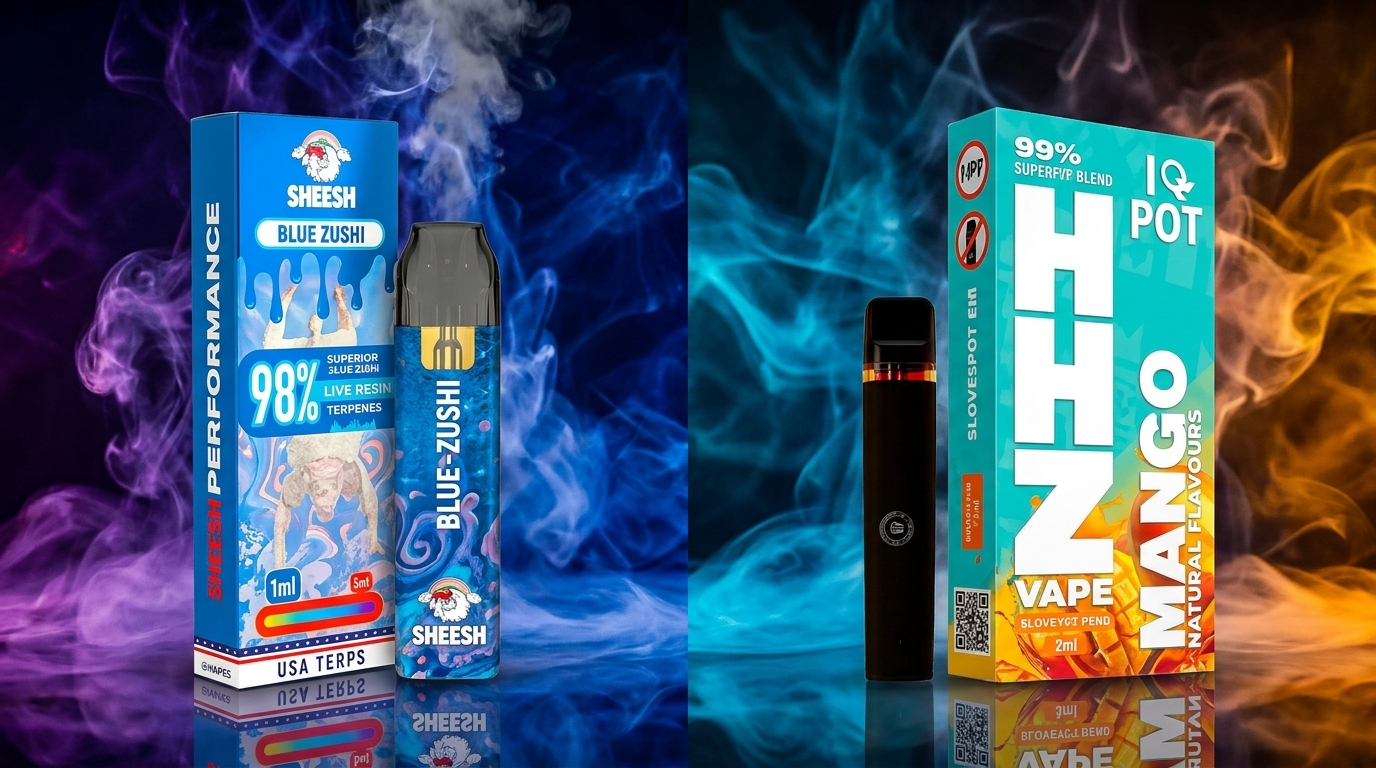
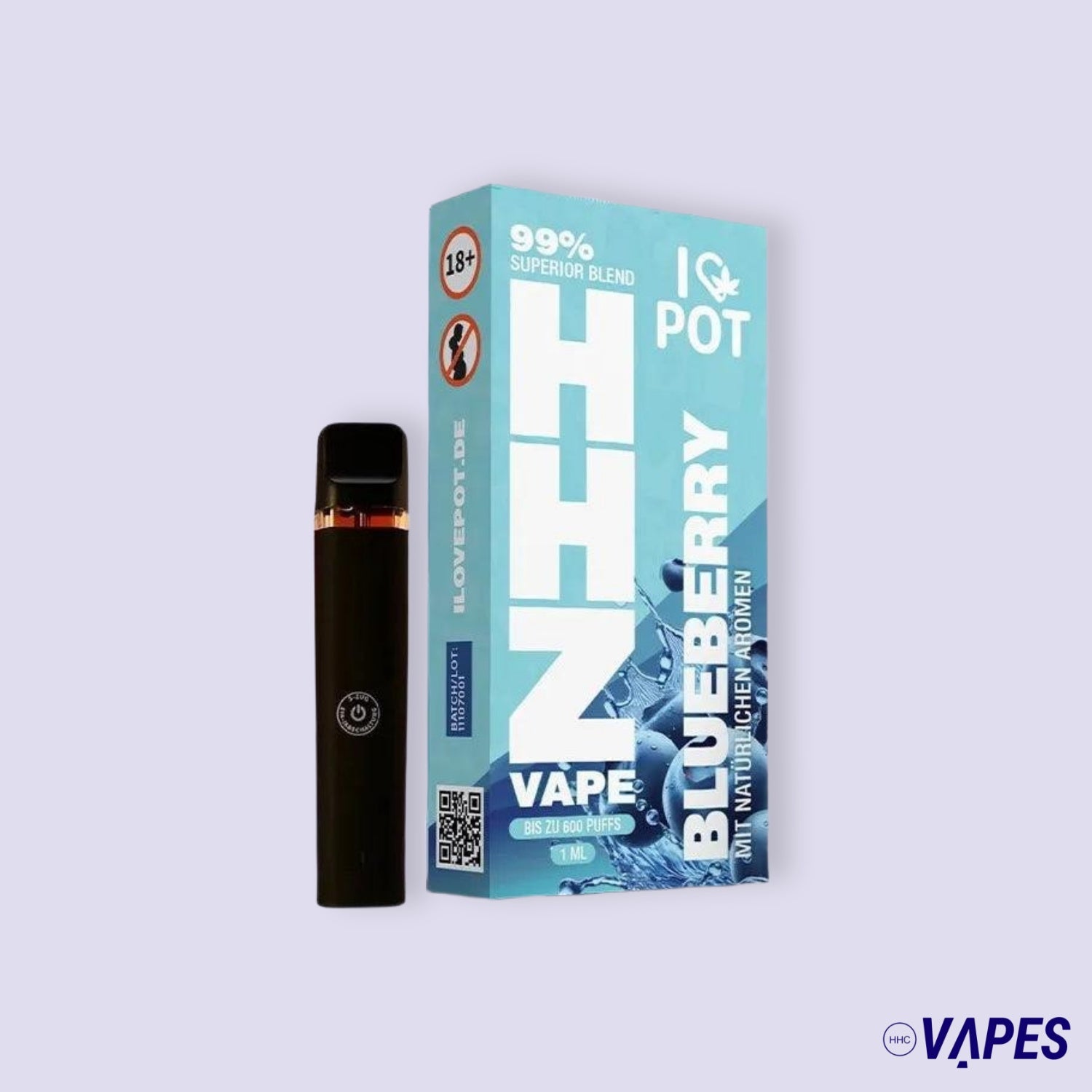
HHC is a hydrogenated cannabinoid – meaning that hydrogen atoms are added to the THC molecule. This creates a more stable compound with its own unique properties. HHC has generated great interest in the vape community. If you're looking for high-quality HHC products, you'll find a wide selection in our vape collection.

CBG (Cannabigerol)

CBG is often referred to as the "stem cannabinoid" because it is the chemical precursor from which other cannabinoids like THC and CBD are formed. It is usually found in only small concentrations in the plant and is currently being intensively researched.

CBN (Cannabinol)

CBN is formed when THC ages and oxidizes. It is only mildly psychoactive and is frequently associated with relaxation and sleep support in the wellness industry.

New Cannabinoid Blends

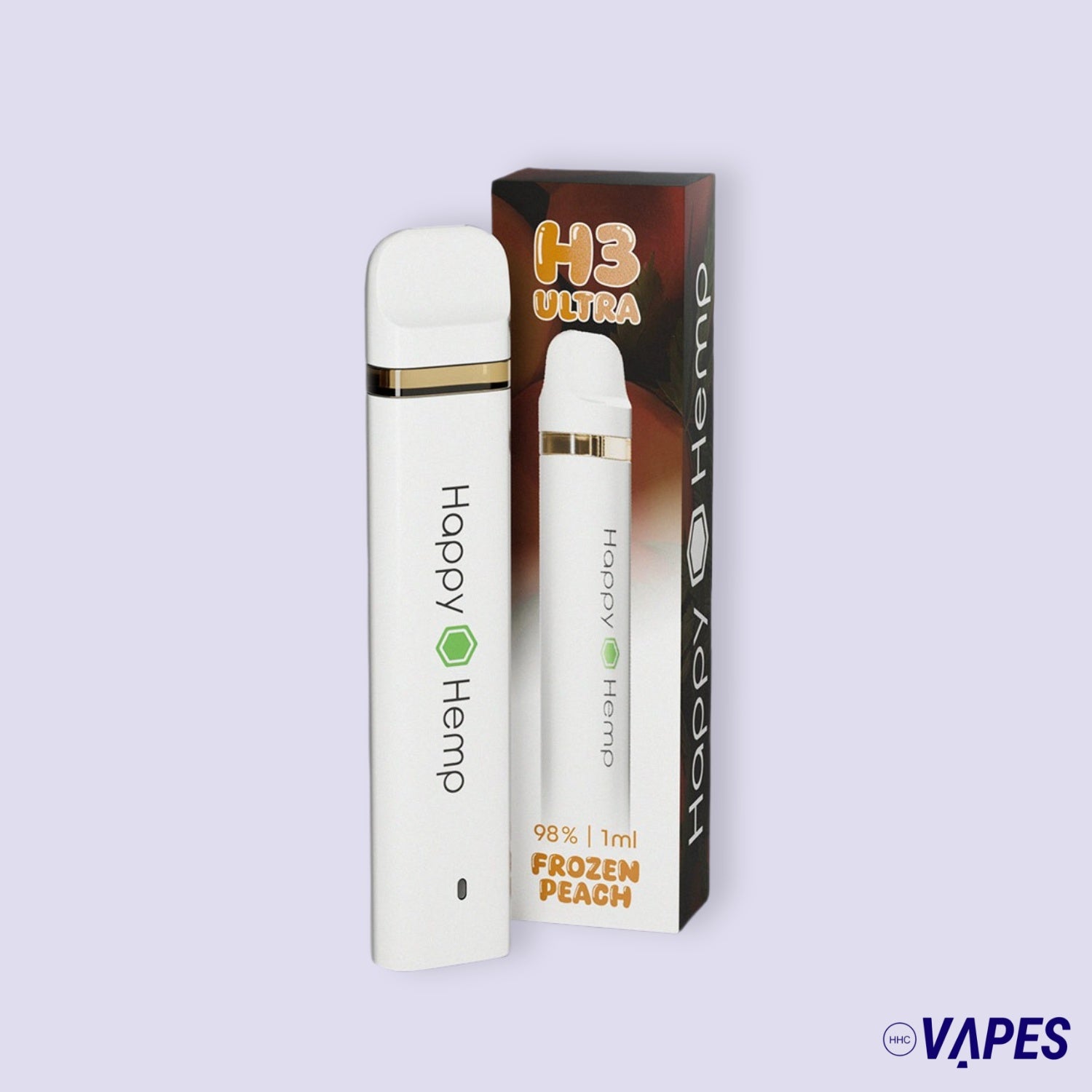
In the modern cannabinoid scene, so-called blends are increasingly being developed – mixtures of various cannabinoids designed to produce a specific effect profile. One example is the H3 Ultra Blend. If you'd like to learn more about it, read our detailed article: What Is H3 Ultra Blend? Effects, Ingredients & Explanation.

The Entourage Effect: Cannabinoids Working Together

An exciting concept in cannabinoid research is the so-called entourage effect. The idea behind it: cannabinoids don't work best in isolation but rather unfold their full potential when combined with other cannabinoids, terpenes, and flavonoids from the cannabis plant.

This means that a full-spectrum extract containing multiple cannabinoids may have a different and more comprehensive effect than a single isolated cannabinoid. Modern vape products also utilize this principle by combining various cannabinoids in carefully balanced ratios. Check out our Superior Vapes, for example, which are based on exactly these kinds of formulations.

Cannabinoids and Terpenes: A Powerful Team

In addition to cannabinoids, the cannabis plant also contains terpenes – aromatic compounds responsible for its characteristic smell and taste. Terpenes like myrcene, limonene, or linalool have their own properties and can influence the effects of cannabinoids.

  • Myrcene – also found in hops and mangoes, associated with relaxing properties
  • Limonene – found in citrus fruits, considered mood-enhancing
  • Linalool – known from lavender, associated with calming effects
  • Pinene – smells like pine, associated with alertness and concentration

In high-quality vape products, terpenes are often specifically used to achieve a particular flavor and effect profile.

How Are Cannabinoids Consumed?

There are various ways to take cannabinoids. The most common methods are:

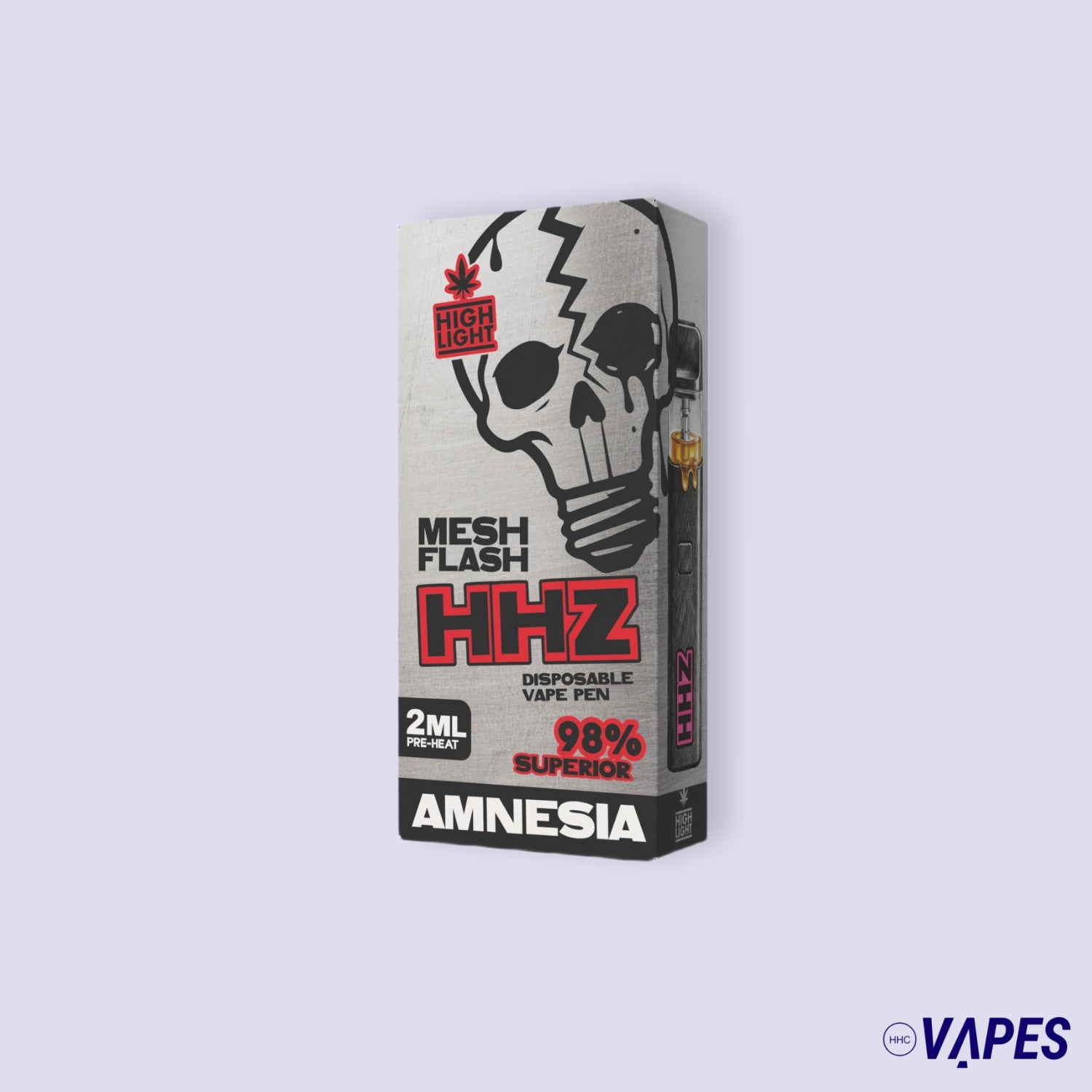
  • Inhalation (Vaping) – Cannabinoids are vaporized and absorbed through the lungs. This method offers a rapid onset of effects and is especially popular among vape users. In our HHZ Vapes collection, you'll find a wide range of products.
  • Oral ingestion – Oils, capsules, or edibles are absorbed through the digestive tract. The onset of effects takes longer but generally lasts longer as well.
  • Sublingual – Drops are placed under the tongue, where they are absorbed through the oral mucosa. This allows for a relatively fast onset of effects.
  • Topical – Creams or ointments are applied to the skin. The cannabinoids work locally without entering the bloodstream.

Legal Status of Cannabinoids

The legal situation surrounding cannabinoids is complex and varies from country to country – sometimes even within a single country. As a general rule: always inform yourself about the current legislation in your country or region before purchasing or consuming cannabinoid products.

In Germany, the legal situation has changed significantly in recent years. While THC remains regulated, there are different regulations for many other cannabinoids. Reputable providers transparently communicate the legal classification of their products and provide laboratory analyses.

Disclaimer: This article is for informational purposes only. The substances described are not medicines. Please inform yourself about the current legal situation in your country. HHC VAPES assumes no liability for consumption.

Frequently Asked Questions (FAQ)

What exactly is a cannabinoid?

A cannabinoid is a chemical compound that interacts with your body's endocannabinoid system. Cannabinoids occur naturally in the cannabis plant (phytocannabinoids), are produced by the body itself (endocannabinoids), or can be artificially manufactured (synthetic cannabinoids). They influence various bodily functions such as pain perception, mood, and appetite.

Are all cannabinoids psychoactive?

No, not all cannabinoids produce a state of intoxication. THC is the most well-known psychoactive cannabinoid, while CBD, for example, has no intoxicating effect. Each cannabinoid has its own effect profile – some are psychoactive, others are not.

What is the difference between CBD and THC?

Although CBD and THC have a similar chemical structure, they work differently. THC binds directly to CB1 receptors in the brain, producing psychoactive effects. CBD, on the other hand, interacts indirectly with the endocannabinoid system and does not produce a state of intoxication. Both cannabinoids are used for different purposes.

What is the endocannabinoid system?

The endocannabinoid system (ECS) is a biological regulatory system in your body consisting of cannabinoid receptors (CB1 and CB2), the body's own cannabinoids (endocannabinoids), and enzymes. It is involved in controlling sleep, mood, appetite, pain perception, and immune functions, and plays a central role in maintaining your body's internal balance.

How many cannabinoids are there?

Over 100 different cannabinoids have been identified in the cannabis plant so far. Together with endogenous and synthetic cannabinoids, the total number is significantly higher. Research regularly discovers new compounds and their properties, meaning our knowledge about cannabinoids is constantly growing.

Reading next

HHC Vape kaufen – worauf musst du achten?
Gzuz Vape – was steckt hinter der Marke?

Leave a comment

All comments are moderated before being published.

This site is protected by hCaptcha and the hCaptcha Privacy Policy and Terms of Service apply.