

Table of contents
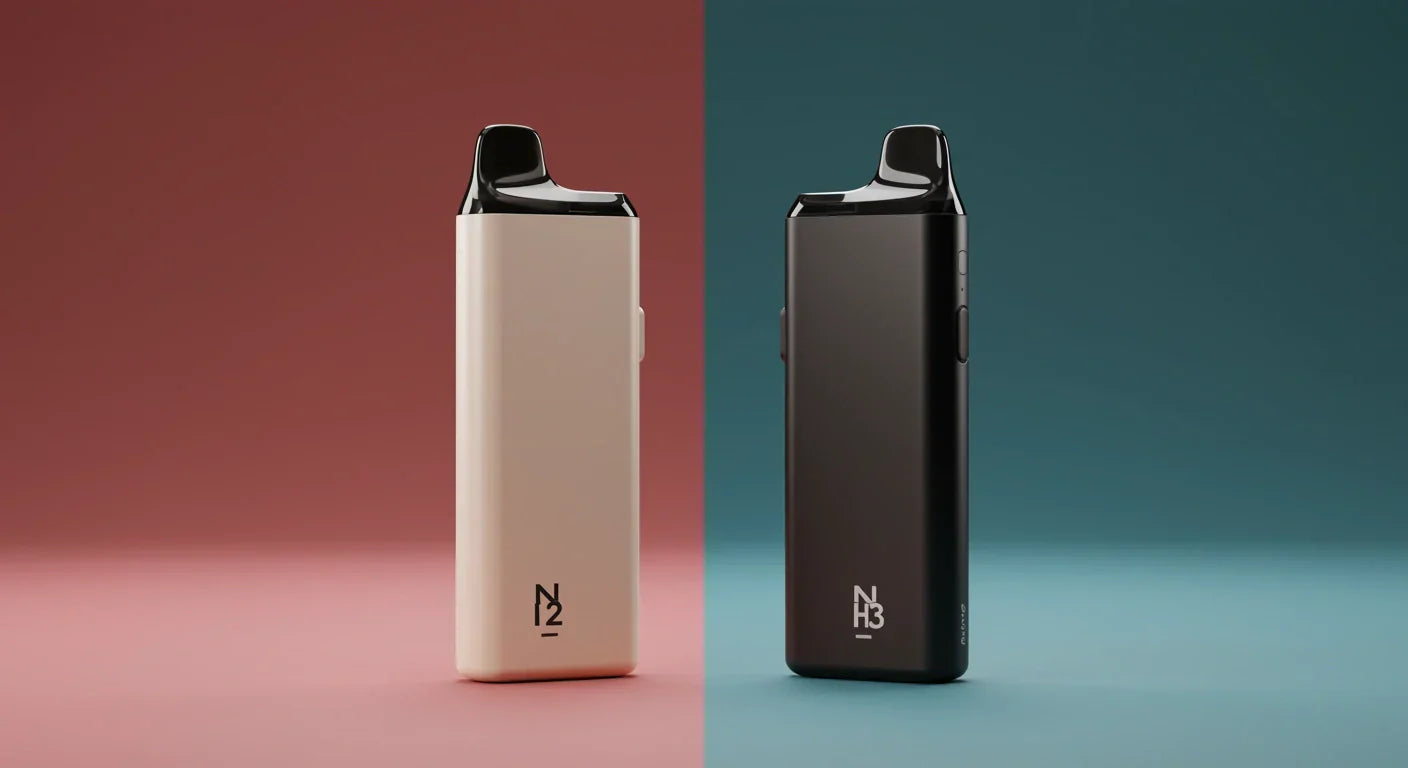
The market for cannabinoid-Vapes is constantly evolving. Alongside familiar names, more and more new abbreviations are popping up that stand for new cannabinoids. Right now, H2 and H3 are mentioned especially often. Both are mainly used in Vape products. But what exactly is the difference between H2 and H3? Where do these cannabinoids come from, how are they made, and why are they such a big deal in the Vape scene?
In this article, we’ll take a look at H2 compared to an H3 Vape. We’ll focus on where they come from, chemical differences, how they’re made, and what products are out there. So let’s get started. Find out whether H2 or H3 is the better fit for you.
Want to know more about H2?
Let’s start with H2. This is a semi-synthetic cannabinoid that’s made from natural hemp components. The starting material is usually CBD extracted from industrial hemp. Through targeted chemical processes, the molecule is then changed to create a unique cannabinoid.
H2 is considered part of the first generation of modern cannabinoid alternatives. Its molecular structure is less heavily modified than newer variants. That’s exactly what makes H2 interesting from a technical perspective, since it’s easy to process and allows for stable distillates.
In the Vape world, H2 is mainly used because it reliably combines with terpenes and allows for even vaporization. Its relatively clear structure also makes quality control easier during production.
Want to know more about H3?
H3 can be seen as a further development of H2. Here too, the production process is based on CBD from hemp that’s specifically converted in the lab. The main difference is the degree of chemical modification.
With H3, the molecular structure is modified more extensively. Additional bonds and structural changes mean this cannabinoid has different physical properties than H2. This evolution came from the goal of creating even more consistent and technically optimized cannabinoids for modern Vape hardware.
That’s why H3 is often used in newer Vape products, especially where high standards for stability, homogeneity, and mixability are needed.
Chemical differences between H2 and H3
The main difference in the H2 vs H3 Vape comparison is at the molecular level. Both cannabinoids are based on the same starting material, but their chemical structures are clearly different.
H2 has a moderately altered molecular chain. The basic structure stays simple, making it easier to process. H3, on the other hand, has a more complex arrangement of atoms and bonds. This extra modification changes things like the molecule’s stability and how it behaves under heat.
In practice, this means:
H2 is easier to make and work with, while H3 was developed specifically for specialized uses. Both approaches have their place and meet different needs in the cannabinoid market.
Production and origin of the cannabinoids
Neither H2 nor H3 are cannabinoids that occur naturally in the plant. They’re both semi-synthetic compounds. The process starts with extracting CBD from legal industrial hemp.
The next step is a chemical conversion under controlled lab conditions. The structure and properties of the CBD molecule are specifically changed. Precision is key here, since purity and consistency depend heavily on the quality of the production process.
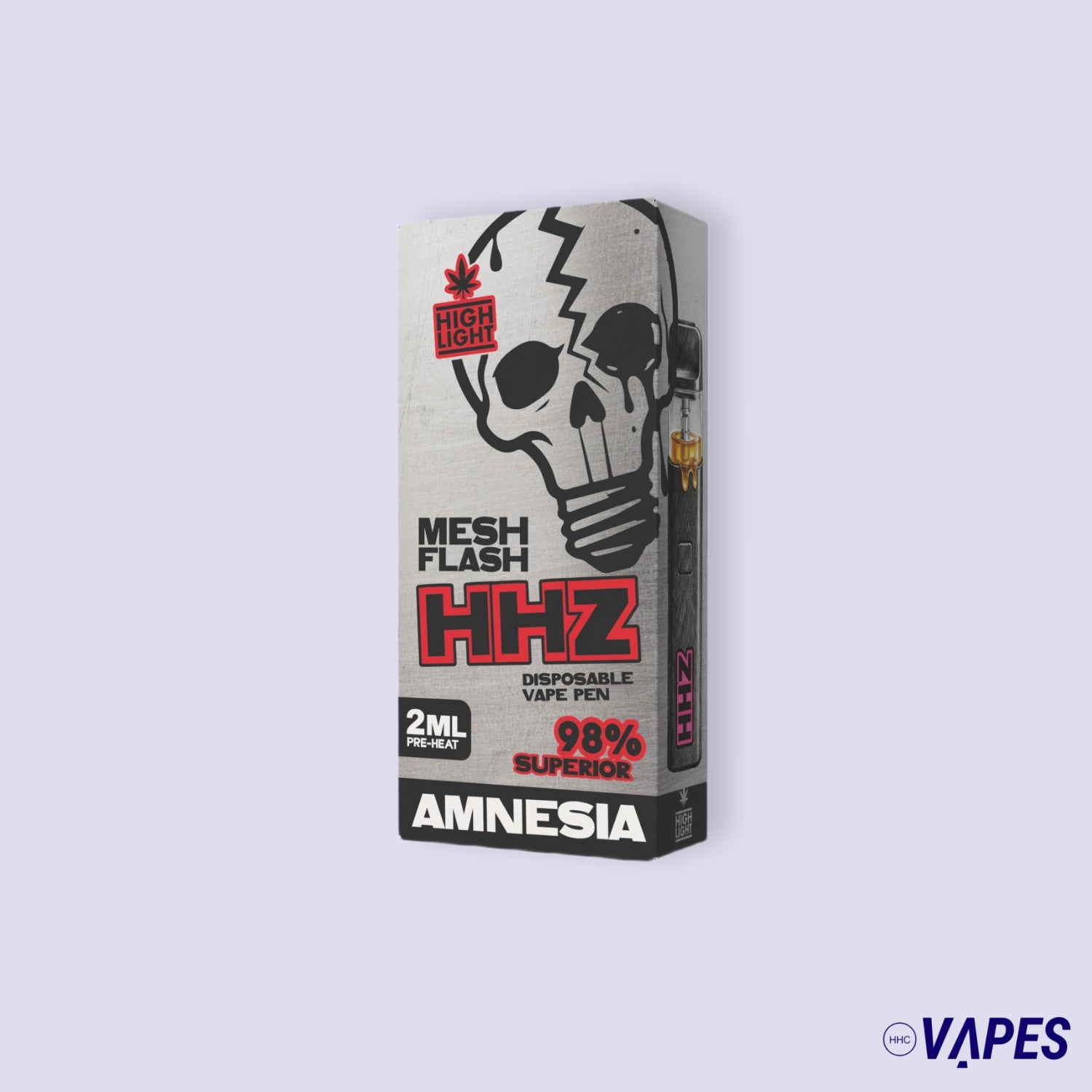
Reputable suppliers focus on standardized processes, lab testing, and transparent production chains. Especially with cannabinoid-Vapes, distillate purity is crucial. With HHZ Vapes, you can count on that.
Why H2 and H3 are especially suited for Vapes
Not every cannabinoid is equally suitable for use in Vape products. H2 and H3 were developed from the start with vaporization and hardware compatibility in mind.
Both cannabinoids can be processed into highly pure distillates that vaporize at consistent temperatures. That makes them perfect for modern Vape hardware. Plus, they can easily be combined with natural or strain-specific terpenes, which ensures a consistent flavor.
Another advantage is stability: Both H2 and H3 distillates stay homogeneous even after longer storage, making them especially interesting for pre-filled Vapes.
What products are available?
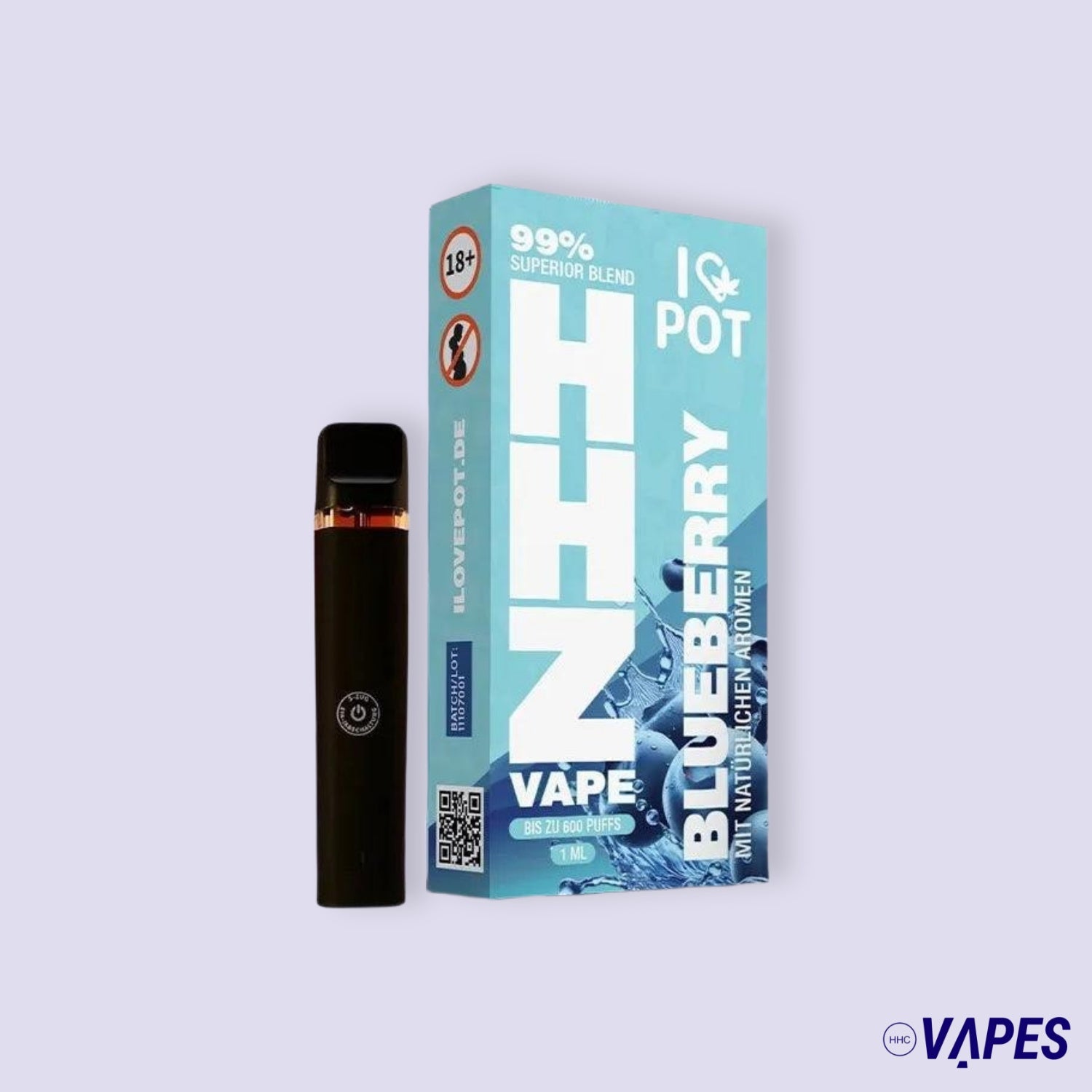
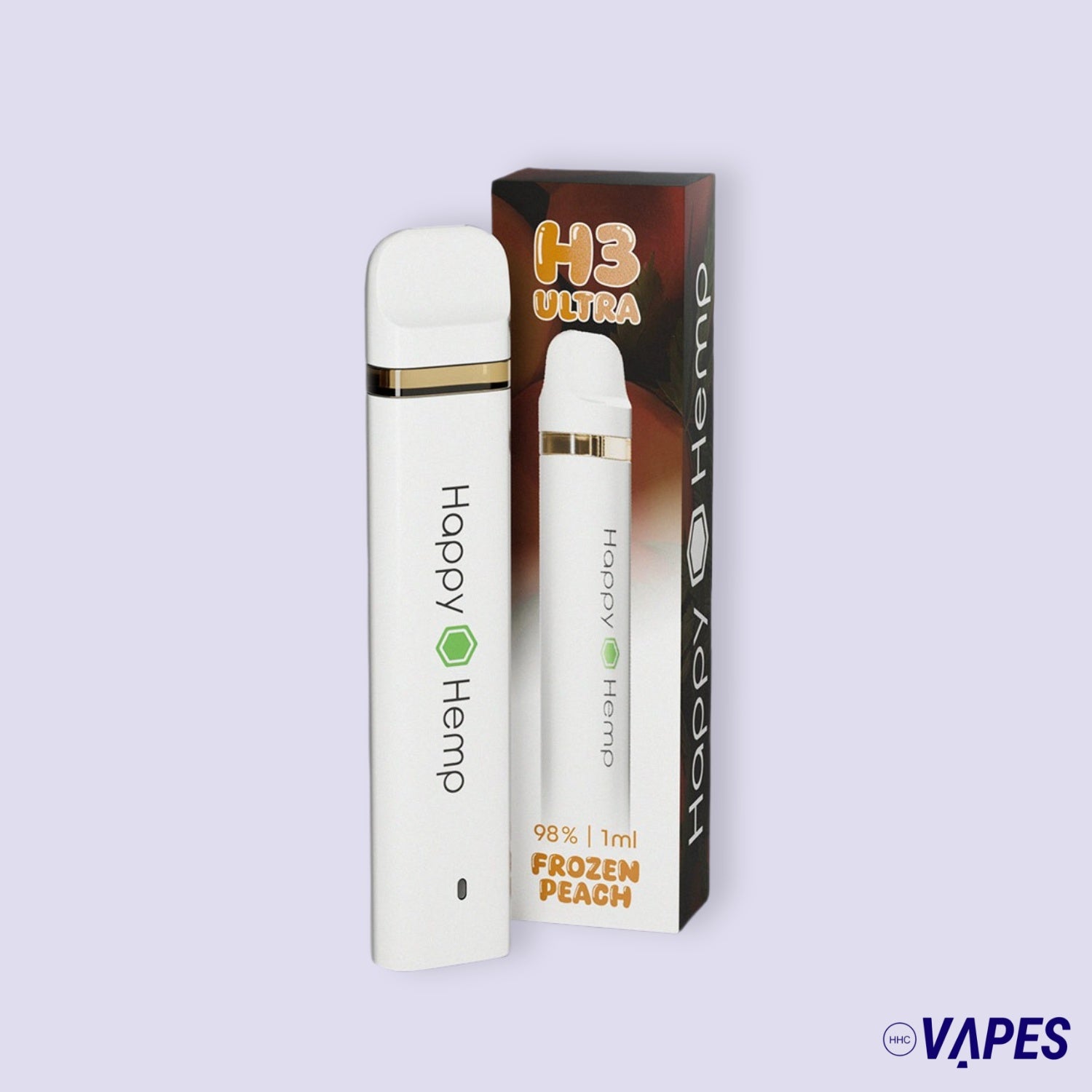
When it comes to H2 vs H3 Vape, there are now a variety of options on the market. Special disposable Vapes and cartridge systems are especially common.
- H2 Vapes often use clear distillates with selected terpene profiles. They come in different strains and are aimed at users who value technical simplicity.
- H3 Vapes, on the other hand, are often found in more modern product lines. Sometimes blends are used here, where H3 is combined with other cannabinoids. These products are usually more complexly formulated and tailored to specific hardware.
No matter which cannabinoid you choose, hardware quality, distillate purity, and ingredient sourcing are key factors.
A comparative overview of H2 vs H3 Vapes
If you objectively compare H2 and H3, clear differences show up in their development and technical focus. H2 stands for a more direct, less complex approach, while H3 has a more advanced structure.
Both cannabinoids come from CBD and are made semi-synthetically. H2 scores with its straightforward molecular structure and easy processing, while H3 offers greater technical optimization and is tailored to modern Vape systems.
Which one gets used depends less on basic quality differences and more on the product concept, hardware, and production philosophy.
What the comparison between H2 and H3 shows
The H2 vs H3 Vape comparison shows that these aren’t really competitors, but rather two different stages in the development of modern cannabinoids. Both are based on CBD and are made semi-synthetically, but they take different approaches.
H2 stands for a clearly structured, less modified molecular form that’s easy to process and provides a stable base for classic Vape products. H3, on the other hand, is the result of further chemical optimization, with a stronger focus on adapting to modern Vape hardware, distillate stability, and technical consistency.
If you know these differences, you can compare products better and get a clearer picture of the trends.