

If you browse the Vape shop, you'll quickly come across names like "HHZ 95%", "H2 Superior Blend" or "H3 Ultra 98%". Sometimes all of these appear on one page—from different brands, at different prices, with slightly different descriptions. Here, we'll explain what these lines really are and how they differ chemically and practically—without any marketing talk.
First, understand the basic principle
The letters H2 and H3 aren't individual cannabinoids, but abbreviations for blends of several cannabinoids. HHZ, on the other hand, is a single, defined active compound. That's the most important difference you should know when reading product descriptions.
Specifically: If a Pen is labeled "HHZ 95%", it means 95% of the distillate consists of the cannabinoid HHZ (Hexahydro-CBZ), and 5% natural terpenes make up the rest. If a Pen is labeled "H2 Superior Blend" or "H3 Ultra 98%", it contains several cannabinoids in a specific ratio—which ones exactly is listed in the COA for each batch.
HHZ – the single active compound
HHZ stands for Hexahydro-CBZ, a semi-synthetic cannabinoid structurally related to HHC, but with a different stereochemistry. After the HHC ban in June 2024, HHZ has become one of the most widely used alternatives in the Vape market.
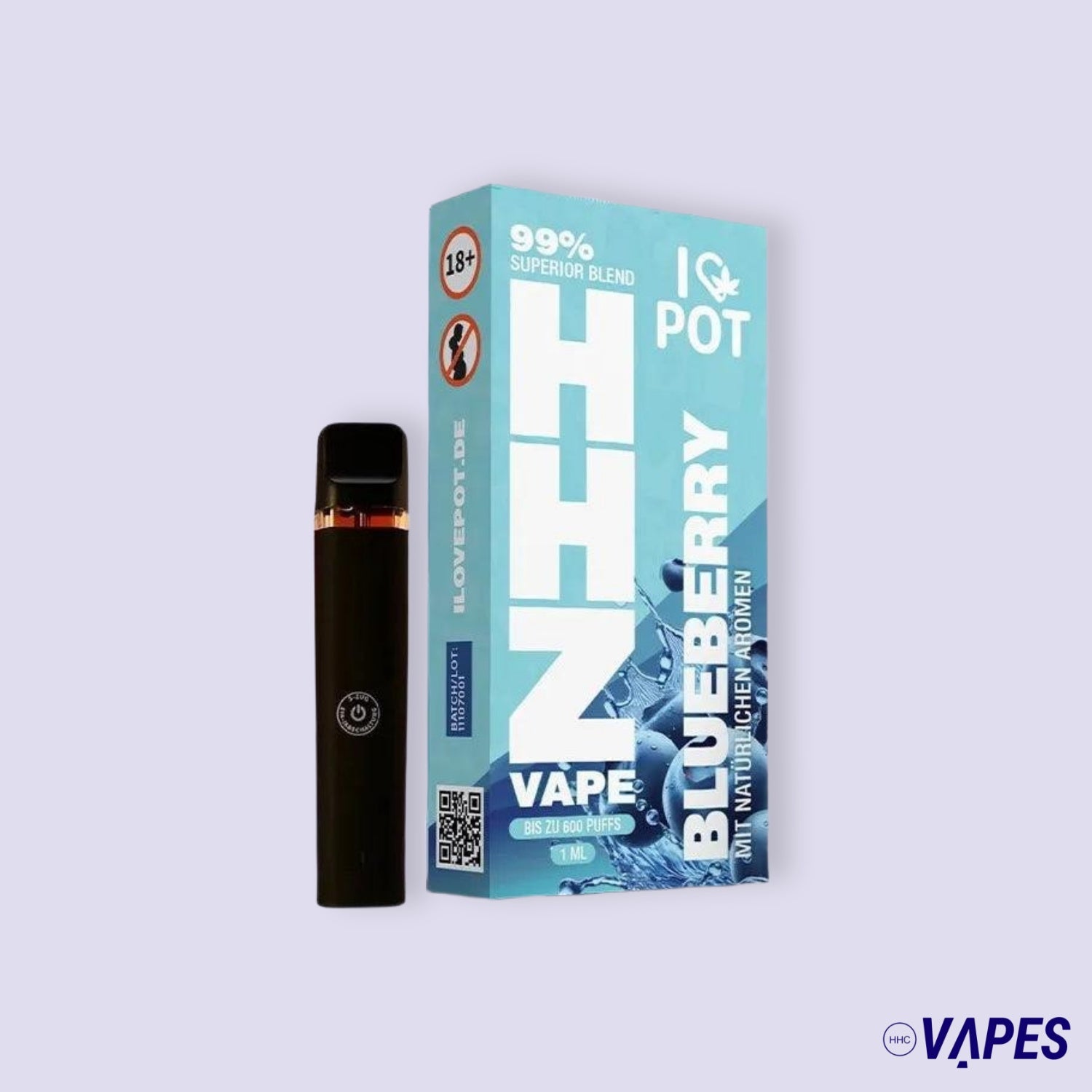
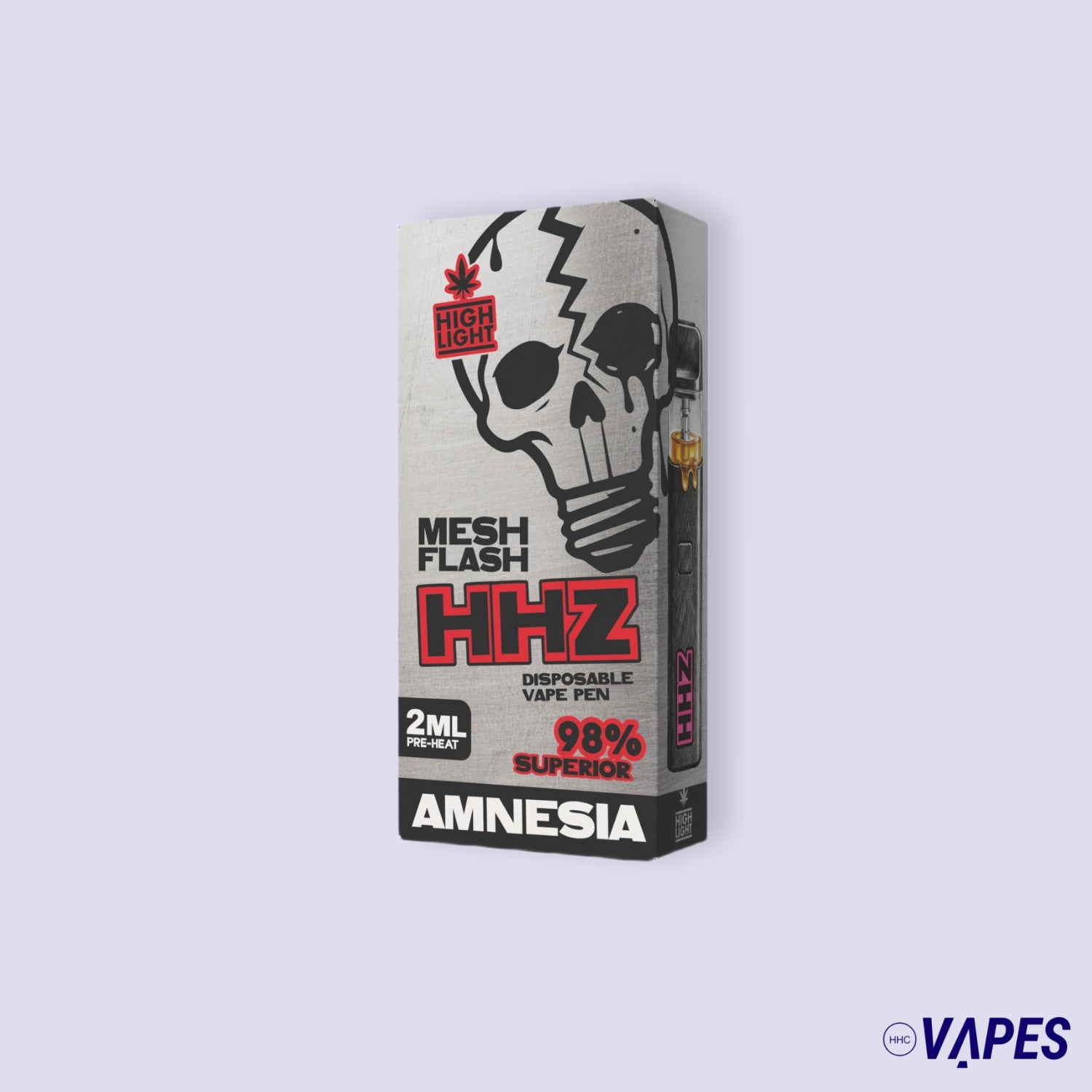
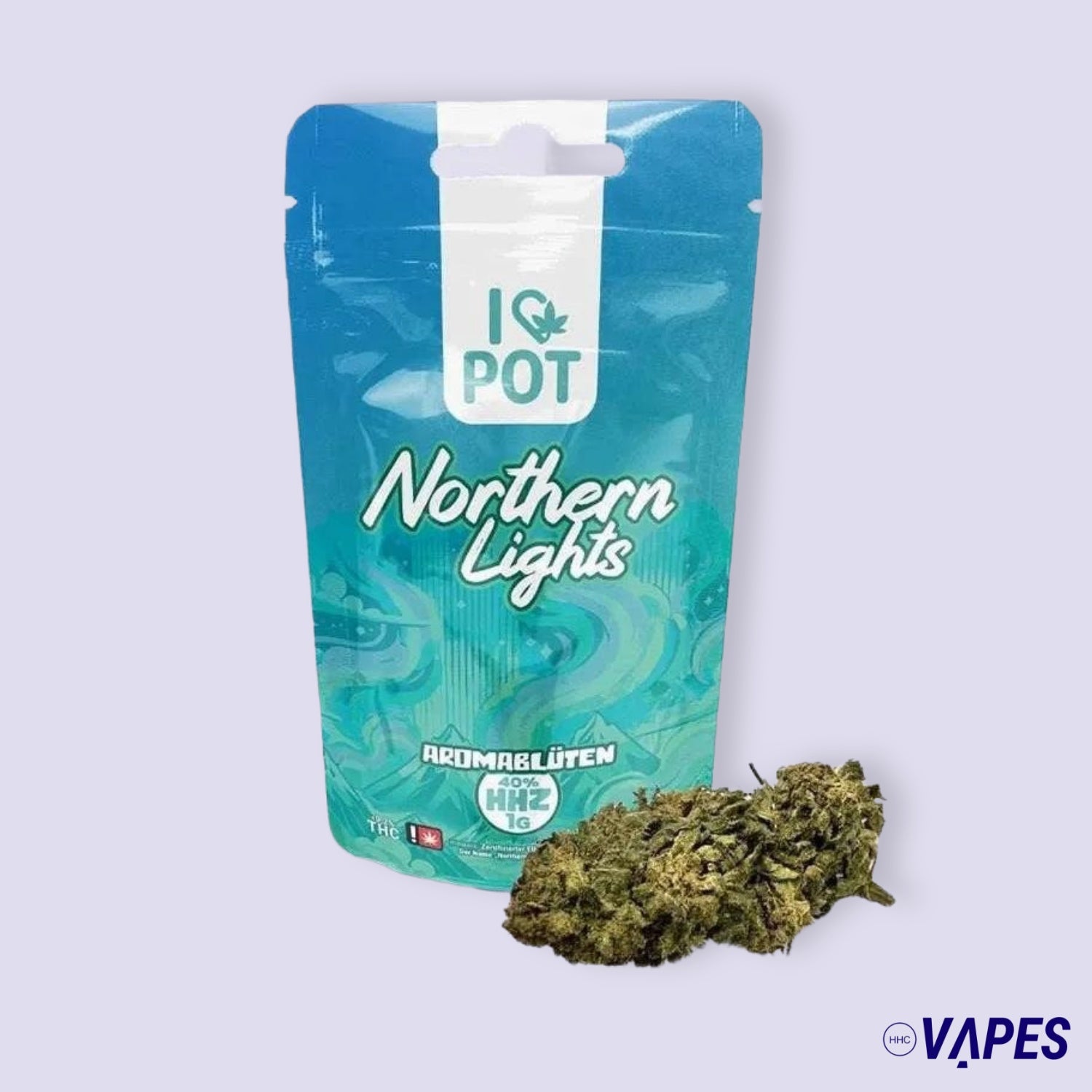
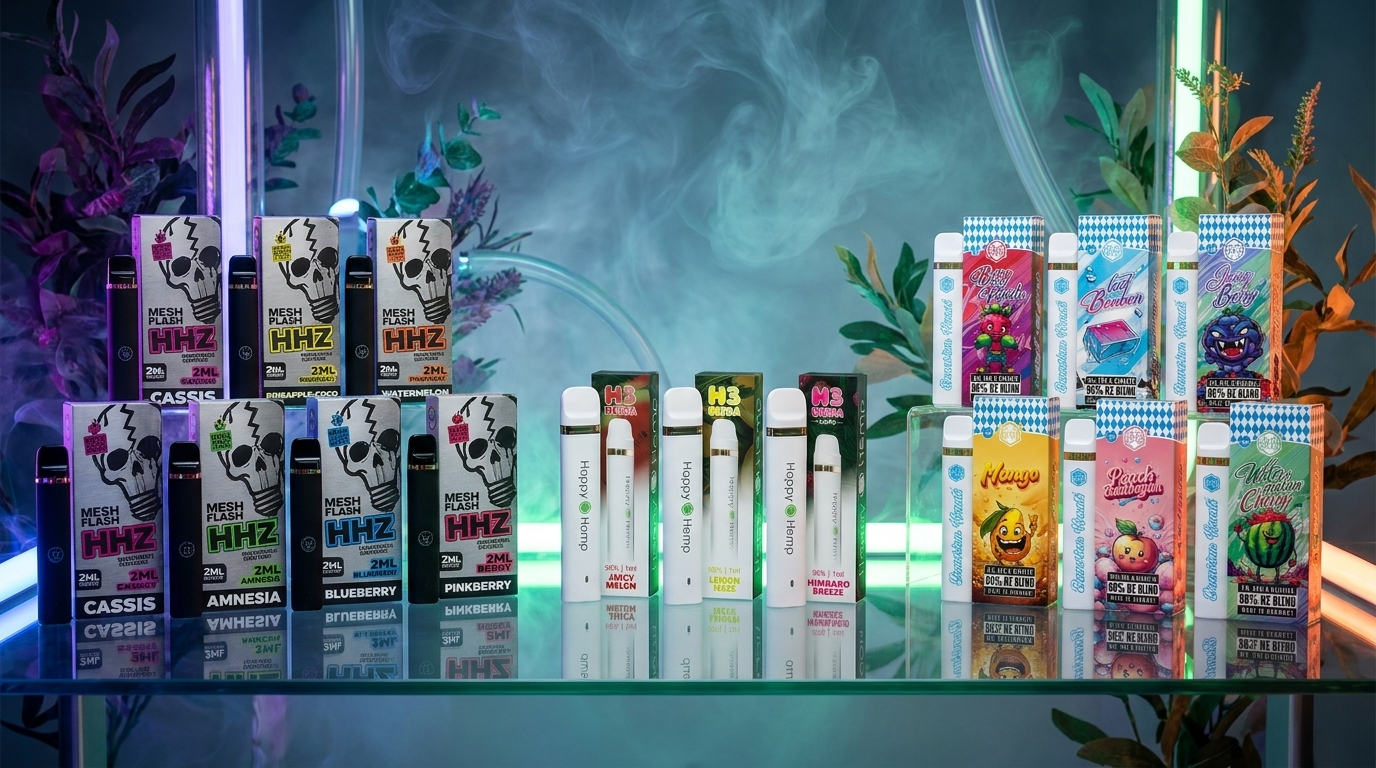
The HHZ Vapes in our shop come with 95% HHZ distillate and 5% natural strain terpenes. This creates a relatively clear, well-documented profile: one active compound dominates, the terpenes determine the aroma. Blueberry, Amnesia, mango, Northern Lights, Pink Berry—the strain names describe the terpene profile, not any claimed effect.
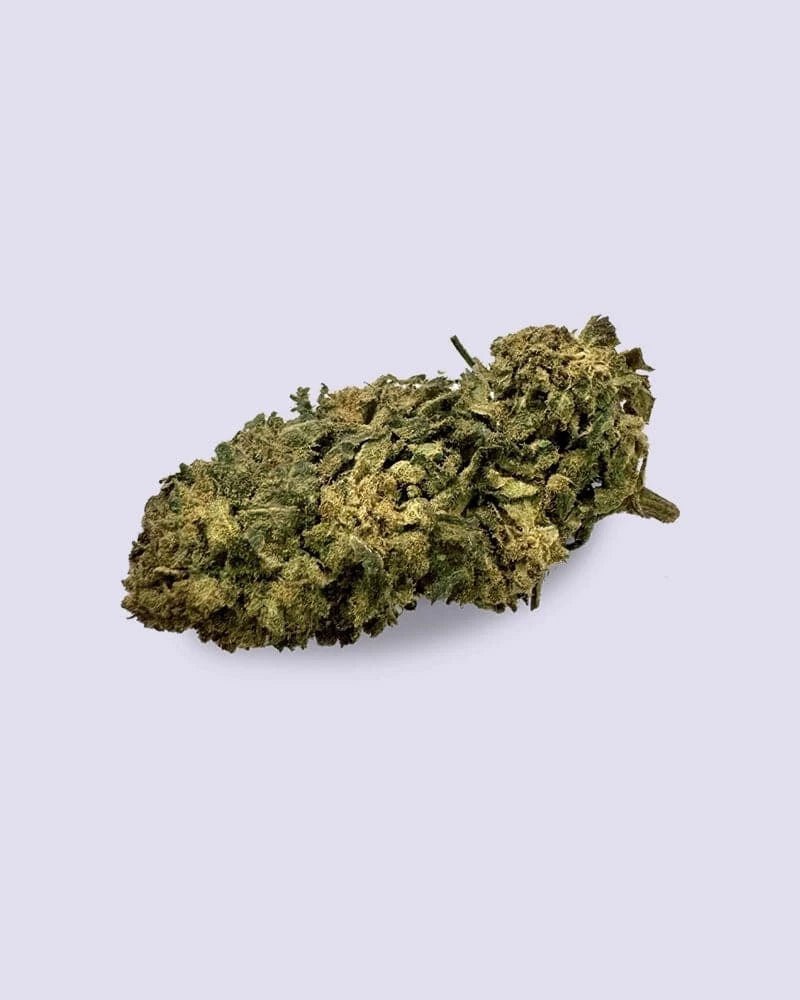
You can get HHZ from us as a 1 ml Pen and as a 2 ml Pen with Mesh coil, which lasts for about 1,200 draws. If you prefer not just to vape, but also like HHZ Flowers or HHZ Joints, you'll find these separately—the same cannabinoid, just a different form.
H2 – the first blend standard
H2 is a blend designation that combines several cannabinoids. The exact composition varies by manufacturer—what they have in common is the category: it's a multi-cannabinoid distillate, not based on a single active compound.
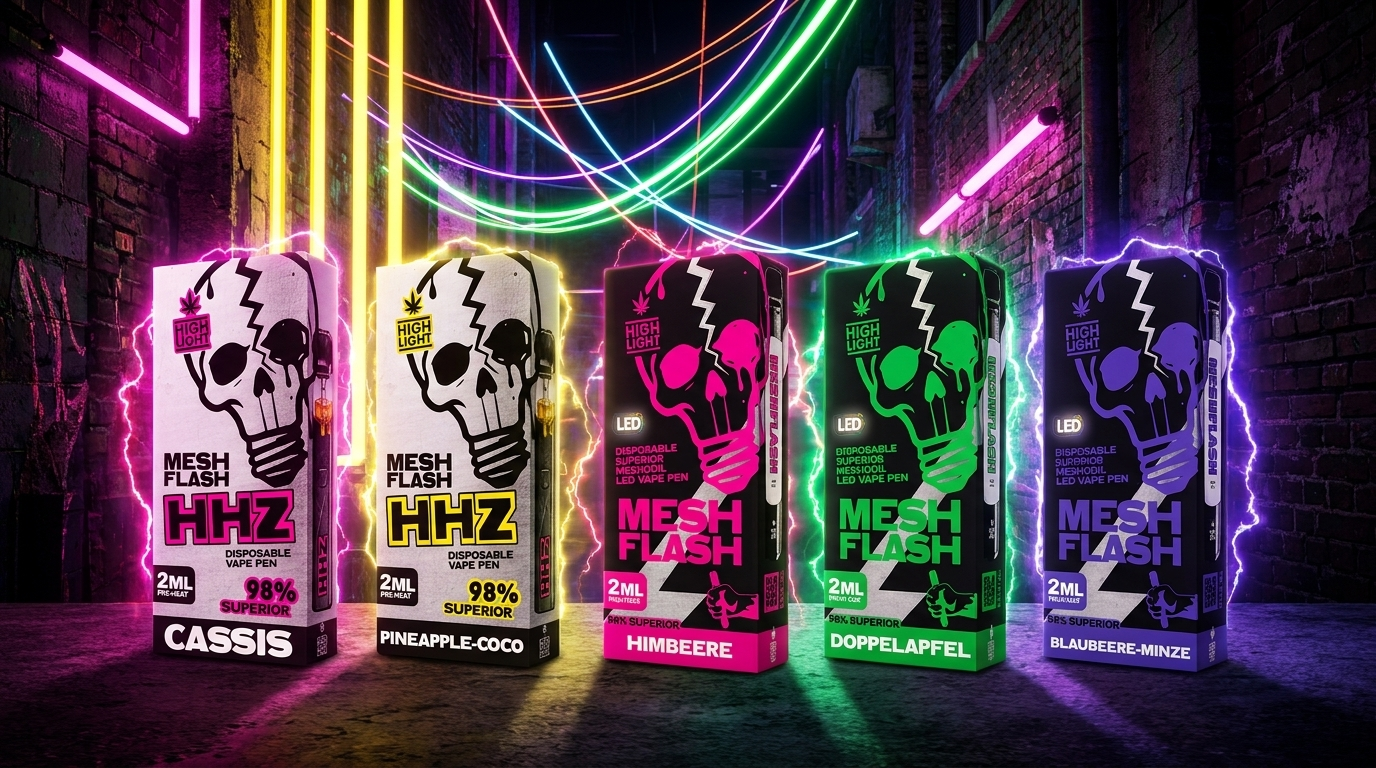
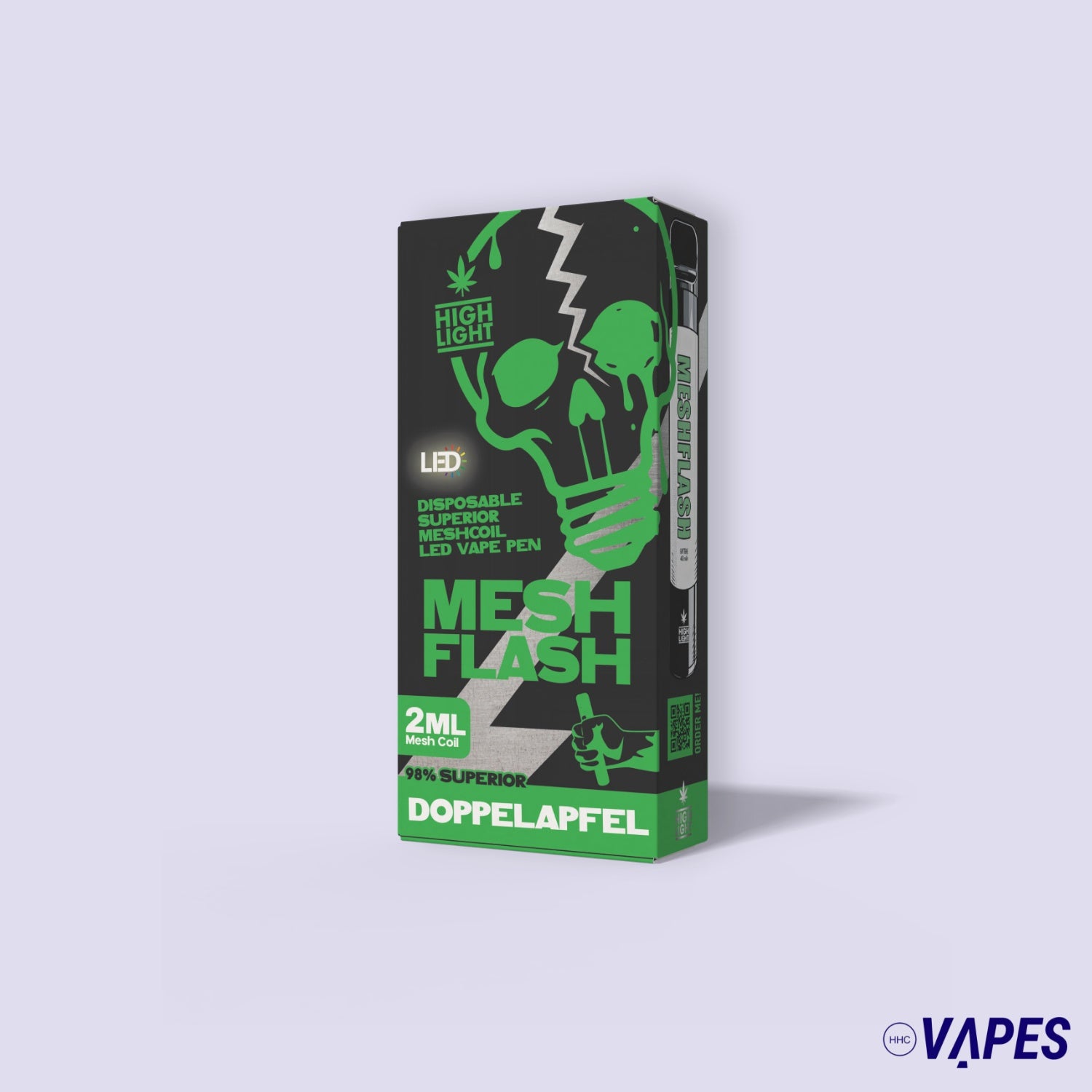
In practice, H2 almost always appears with the addition "Superior". The H2 Superior Blend Vapes—for example from Highlight MeshFlash or Maskulin—are available in 2 ml format and are priced a bit below the 95% HHZ Pens. That's not necessarily due to lower quality, but rather the different raw material structure of a blend compared to a pure compound distillate.
Typical H2 flavors from our range: double apple, raspberry, grape-mint, blueberry-mint, Blueberry. The MeshFlash technology in the Highlight Pens ensures even vaporization even with thick concentrates—a relevant quality factor we also discuss in the guide to vapor quality.
H3 – the stronger blend
Put simply, H3 is the next step in blend development. While H2 describes a specific combination of cannabinoids, H3 contains additional or differently proportioned active compounds. What's actually in it can—just like with any reputable product—be checked in the COA for the batch.
H3 comes in two versions, which are listed side by side in the shop:
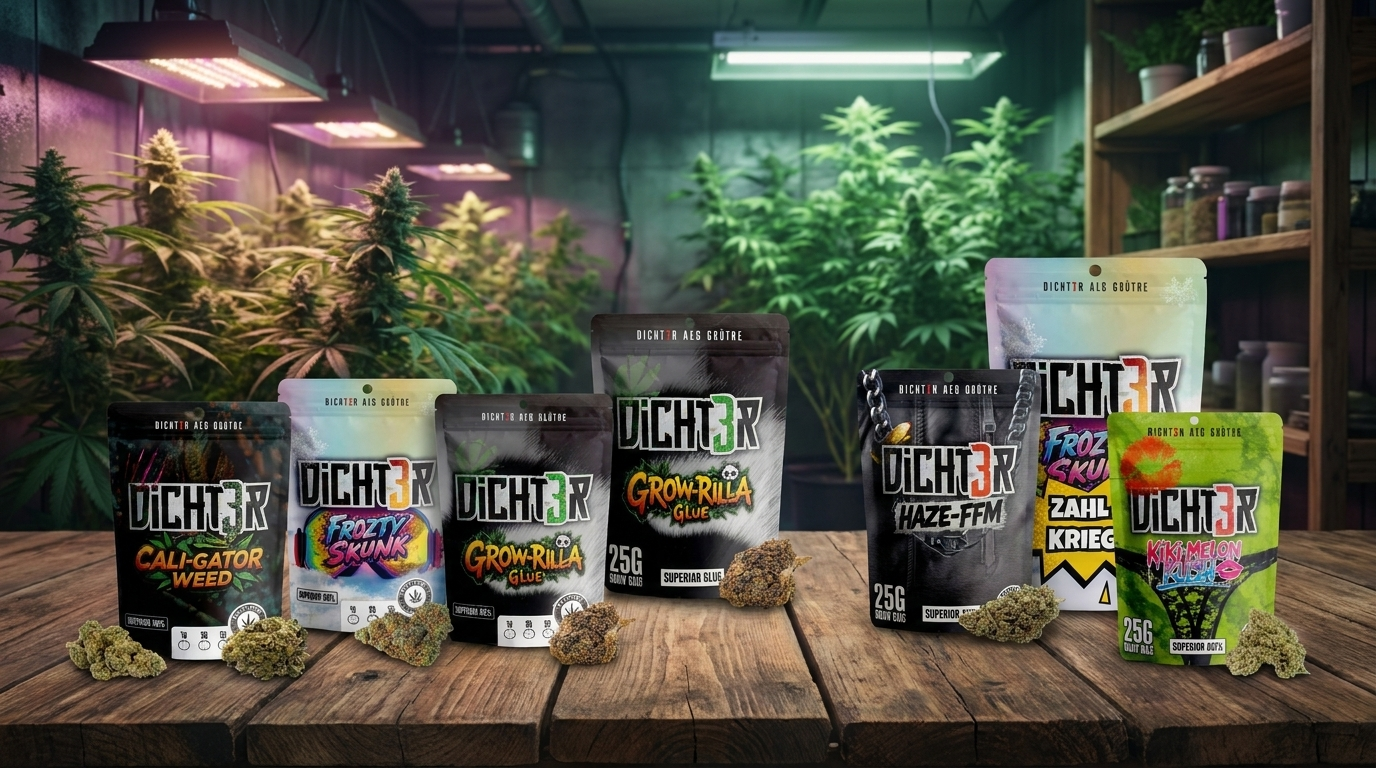
- H3 Superior Blend (96%): This is the blend version of the Superior standard—offered, for example, by SHEESH as a 2 ml pod format, with strains like Amnesia Splash, Cherry Ice or Apple Splash. DICHT3R also offers a 96% H3 blend, where the strain names are based directly on aroma (double apple, cotton candy, pineapple-coco).
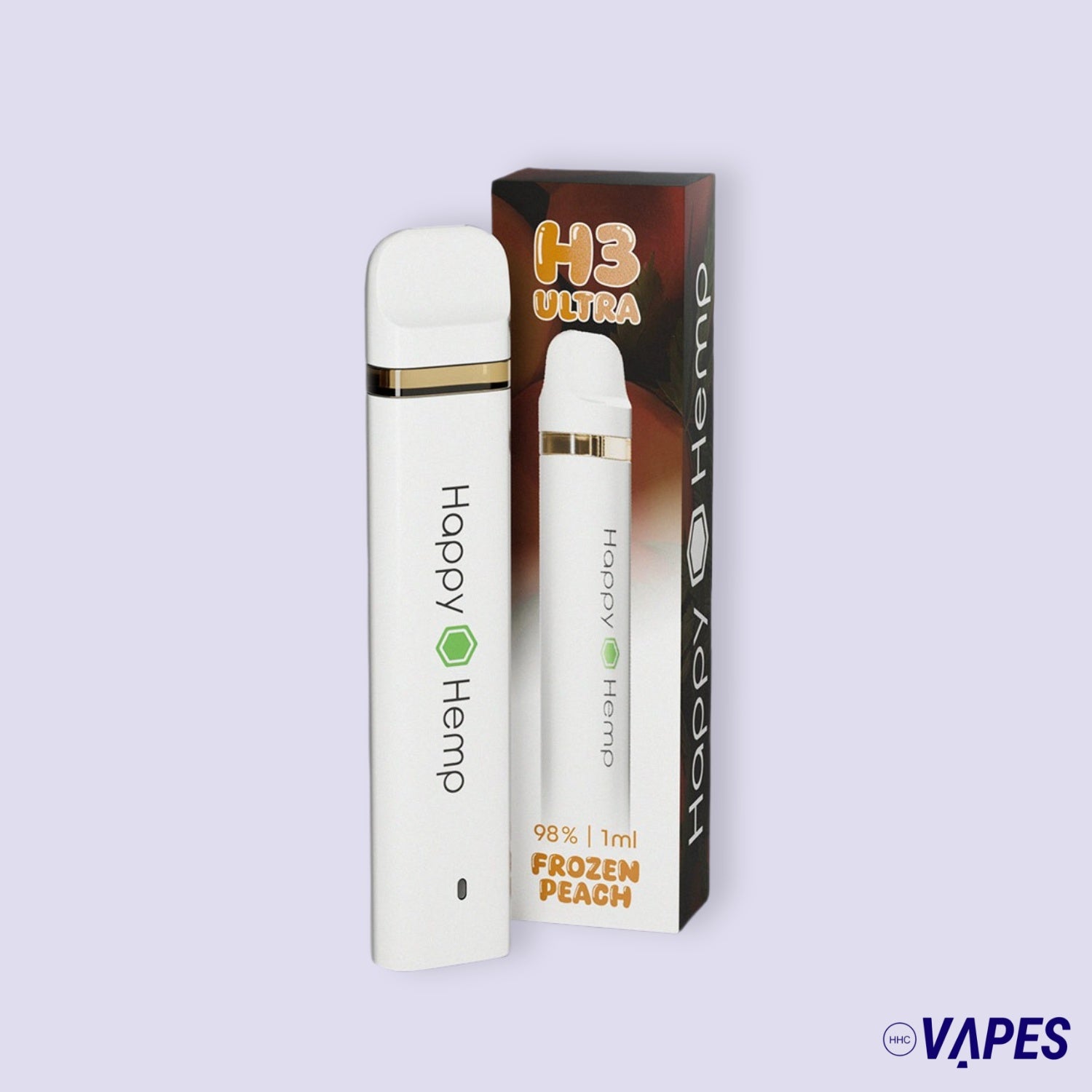
- H3 Ultra (98%): The line from Happy Hemp—with 98% cannabinoid content, one of the most concentrated blends in the range. Format: 1 ml Pen, flavors: Juicy Melon, Frozen Peach, Lemon Haze, Himbaro Breeze.
The difference between H3 Superior (96%) and H3 Ultra (98%) is the distillate content: at 98%, the carrier and terpene content is correspondingly lower. This affects the viscosity of the distillate and thus the draw behavior.
The differences at a glance
To make it concrete, here's a direct comparison of the three lines by objective criteria:
| Feature | HHZ (95%) | H2 Superior (96%) | H3 / H3 Ultra (96–98%) |
|---|---|---|---|
| Type of composition | Single active compound + terpenes | Blend of several cannabinoids | Blend of several cannabinoids |
| Cannabinoid content | ~95% | ~96% | 96–98% |
| Terpene content | ~5% natural strain terpenes | varies by brand | lower, due to higher cannabinoid content |
| Formats in the shop | 1 ml, 2 ml | 2 ml (MeshFlash, pod) | 1 ml (H3 Ultra), 2 ml (H3 Superior pod) |
| COA available | yes, for each batch | yes, for each batch | yes, for each batch |
| THC declaration | 0.0% | 0.0% | 0.0% |
What does this mean for your choice?
If you value a clearly documented, simple cannabinoid profile, HHZ is a great option. A single main active compound, familiar terpenes, over 580 reviews in this collection alone—this is the most popular line in the shop, and there's a reason for that.
If you prefer a blend and are interested in the combined effect of several cannabinoids, check out the Superior Vapes. H2 is the moderate entry into the world of blends, H3 is the more intense option with a higher overall content.
A blanket recommendation like "H3 is stronger than H2 is stronger than HHZ" can't be given objectively—because what goes into a blend depends on the manufacturer and the batch. The COA is the only reliable answer for what's really in the Pen. How you read a lab report
What about Only Grams Superior?
The Only Grams Superior Vapes are also part of the Superior line, but have their own profile: 96% cannabinoid, compact 1-ml Pens, and a wide range of aromas from Blackberry Ice to Wedding Cake. Only Grams is one of the established brands in German-speaking countries and, after the HHC ban, consistently switched to blend products. The difference from H2 or H3 is in the brand concept – chemically, the same applies here: What exactly is inside is listed in the COA.
And what comes after H3?
The market is evolving quickly. In addition to HHZ, H2, and H3, there are now more cannabinoids and blends – including 10-OH-HHC, HHZZ, or T9HC. You can find a structured overview of the similarities and differences between HHZ and 10-OH-HHC in the big Vape comparison.
What doesn’t change: The same principle applies to every new line – read the COA, check the cannabinoid profile, confirm the THC value. The rest is a matter of taste.
Frequently Asked Questions
Is H3 “stronger” than HHZ?
You can’t say that across the board. H3 has a higher total cannabinoid content (96–98% vs. 95%), but a blend of several substances isn’t automatically more intense than a single active ingredient. The blend’s composition determines the profile – and that’s listed in the COA.
What does “Superior Blend” mean?
Superior is a product line designation, not a regulated term. It signals a certain class of blend products in the market – usually with 96% or more cannabinoid content. There’s no legal definition.
Can I compare HHZ and H2/H3 directly?
Chemically, these are different categories – single active ingredient vs. blend. A direct comparison only makes sense if you look at the COAs of both products side by side and know which cannabinoids are in the blend.
Is HHZ also available as Flower or hash?
Yes. In addition to Vapes, we offer HHZ Flowers, HHZ hash, and HHZ Joints – same cannabinoid, different form of use.
Where can I find the COA for my Pen?
On the respective product page in the shop. Each batch has its own lab report. How to read it and what to look for is explained in our COA Guide.