


Table of contents
- Which Cannabinoids Are Legal in the EU in 2026?
- Cannabinoids – A Brief Overview
- The EU-Wide Legal Situation in 2026: What Applies Everywhere?
- Legal Cannabinoids in the EU – The Current Status in 2026
- HHC and Its Derivatives – What's the Situation in 2026?
- Country-Specific Regulations in the EU
- What You Should Look for When Buying Cannabinoid Products
- Trends and Outlook: What Does the Future Hold?
- Frequently Asked Questions (FAQ)
Which Cannabinoids Are Legal in the EU in 2026?
The world of cannabinoids is evolving – and faster than ever before. While THC remains strictly regulated in most EU countries, numerous alternative cannabinoids have established themselves on the market in recent years. But which of them are actually still legal in 2026? Which substances have been banned, which exist in a gray area, and what should you watch out for when buying? In this article, you'll get a comprehensive overview of the current legal situation in the EU – factual, easy to understand, and fully up to date.
Cannabinoids – A Brief Overview
Before we dive into the legal details, let's briefly cover the basics. Cannabinoids are chemical compounds that occur naturally in the cannabis plant or are produced synthetically. They interact with your body's endocannabinoid system and can produce a wide range of effects – from relaxing and pain-relieving to psychoactive.
Phytocannabinoids vs. Semi-Synthetic Cannabinoids
A fundamental distinction is made between phytocannabinoids, which are extracted directly from the plant (such as CBD, CBG, or CBN), and semi-synthetic cannabinoids, which are created through chemical conversion from plant-based starting materials (such as HHC, H4CBD, or THCP). This distinction is highly relevant legally, as many EU states base their regulations precisely on this boundary.
The EU-Wide Legal Situation in 2026: What Applies Everywhere?
A unified EU-wide cannabinoid legislation still does not exist. Instead, there is a patchwork of national regulations, supplemented by some EU-wide framework guidelines. In 2020, the European Court of Justice clarified in the so-called Kanavape ruling that CBD is not a narcotic and may in principle be freely traded within the EU – as long as it is derived from approved industrial hemp with a THC content of less than 0.3%.
For THC (delta-9-tetrahydrocannabinol), a strict ban as a narcotic substance continues to apply in almost all EU countries. However, the threshold values for the permitted THC content in hemp products vary: While the EU raised the limit for industrial hemp to 0.3% in 2023, individual member states set their own upper limits for finished products.
The Novel Food Regulation and Its Impact
A central issue for cannabinoid products remains the EU's Novel Food Regulation. CBD-containing dietary supplements and food products require authorization as a novel food. For products that are not taken orally – such as vapes – this regulation generally does not apply directly. Nevertheless, many national authorities refer to the Novel Food regulations when it comes to the general marketability of cannabinoid products.
Legal Cannabinoids in the EU – The Current Status in 2026
CBD (Cannabidiol) – The Classic
CBD remains the most widely available and best-researched legal cannabinoid in the EU. It is not psychoactive, is derived from industrial hemp, and is freely available for purchase in most EU countries – as oil, cosmetics, liquid, or in other forms. The WHO has classified CBD as safe and well-tolerated, which further strengthens its legal acceptance.
CBG (Cannabigerol) – The "Mother Cannabinoid"
CBG is considered the precursor molecule of many other cannabinoids and is largely legal in the EU. It is not psychoactive and is increasingly used in wellness products. Since CBG is extracted directly from the hemp plant and is not a narcotic, it is not subject to any significant restrictions. Research on CBG is still in an early stage, but the results so far regarding anti-inflammatory and neuroprotective properties are promising.
CBN (Cannabinol) – The Sleep Cannabinoid
CBN is produced through the natural degradation of THC and is often marketed as a mild, calming cannabinoid. In the EU, CBN is legal in most countries as long as the THC content in the finished product does not exceed the legal threshold values. CBN is not listed under narcotics law and is primarily used in sleep and relaxation products.
CBC (Cannabichromene)
CBC is another non-psychoactive phytocannabinoid found in the hemp plant. It is not on any prohibited list in the EU and is legally available. Research points to anti-inflammatory and pain-relieving properties, although the data is still limited. CBC is increasingly found in broad-spectrum hemp extracts and full-spectrum products.
H4CBD – The Regulated Alternative
H4CBD (hydrogenated CBD) is a semi-synthetic cannabinoid produced by hydrogenation of CBD. The legal situation varies from country to country. In some EU states, H4CBD is classified as a novel psychoactive substance, while in other countries it remains freely available. You should definitely inform yourself about the current legislation in your country before purchasing.
HHC and Its Derivatives – What's the Situation in 2026?
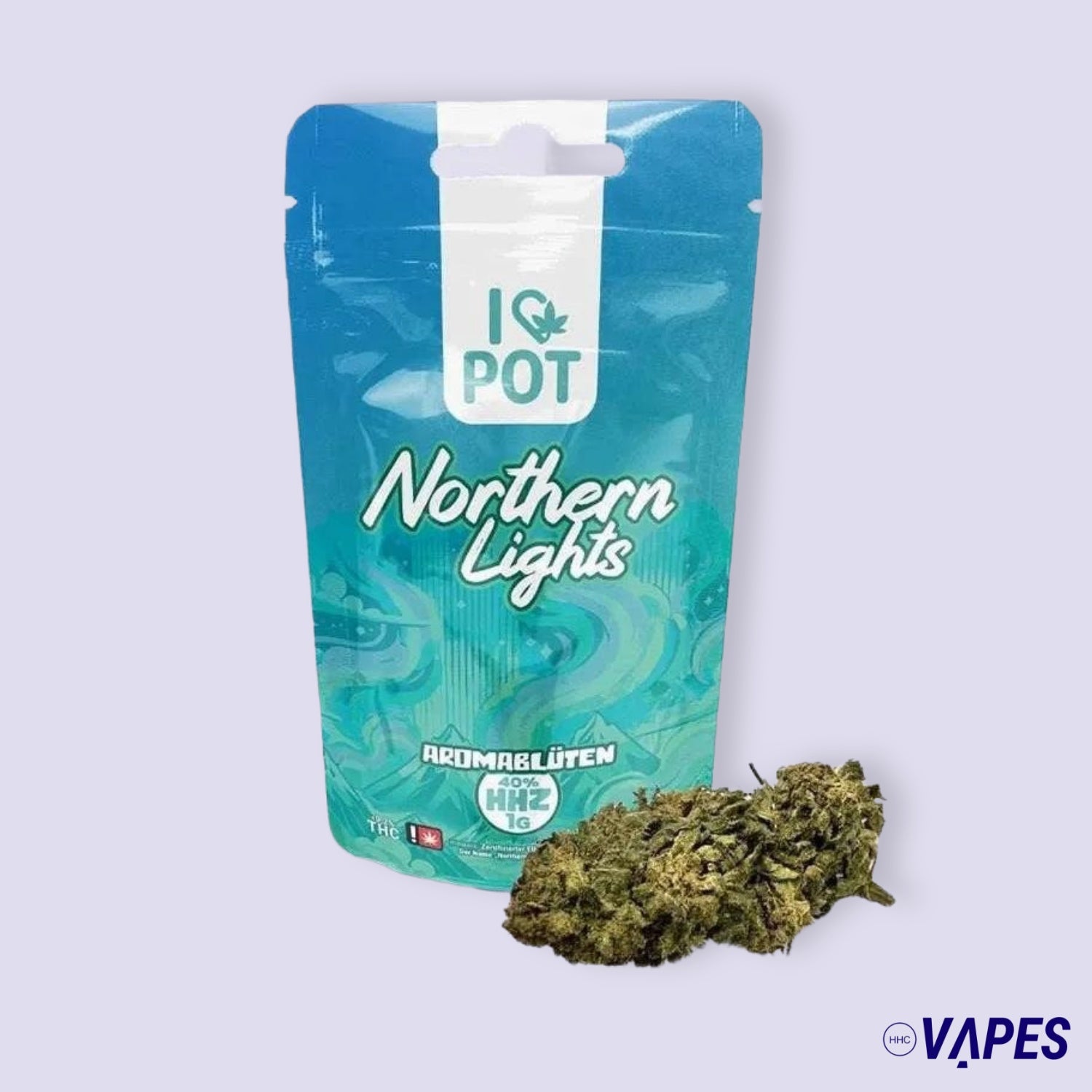
HHC (Hexahydrocannabinol) was one of the most discussed cannabinoids of recent years. It was produced by hydrogenation of THC or CBD and was temporarily legally available in many EU countries. Since 2024, however, numerous EU member states have regulated or banned HHC. Germany placed HHC under the New Psychoactive Substances Act (NpSG) in June 2024, making trade and possession illegal.
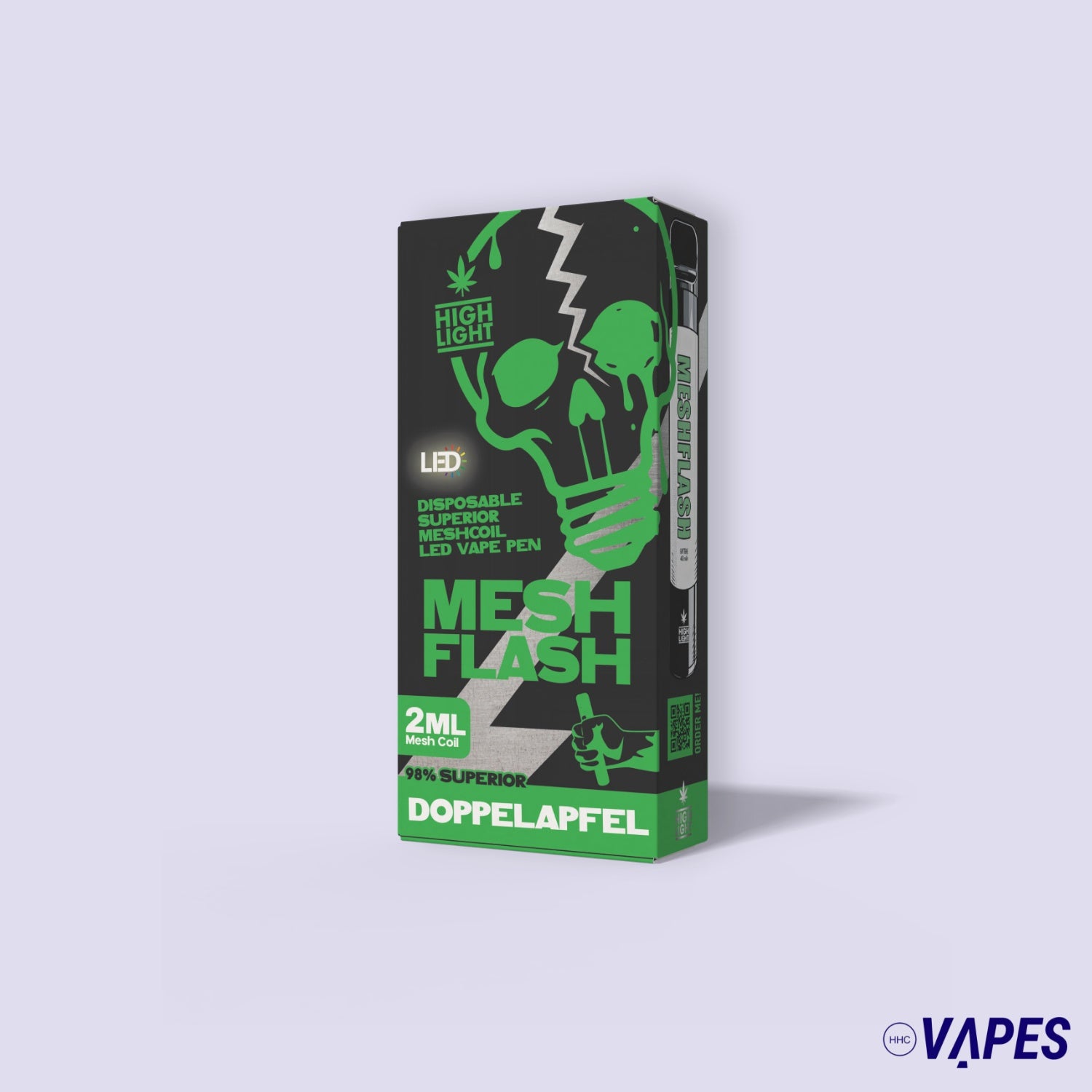
In other EU countries such as France, Belgium, and the Netherlands, similar steps were taken. Some states have not explicitly banned HHC, which leads to a confusing situation. If you're interested in alternatives, it's worth taking a look at our vape collection, where you'll find exclusively products that comply with current legal standards.
HHC-O, HHC-P, and Other Derivatives
With the ban of HHC in many countries, its derivatives such as HHC-O (HHC acetate) and HHC-P (HHC phorol) have also come under the scrutiny of authorities. In Germany, these substances also fall under the NpSG insofar as they have a comparable psychoactive effect to HHC. In other EU states, these derivatives are also increasingly being regulated. The trend is clear: the closer a cannabinoid comes to THC in structure and effect, the more likely it is to be banned.
THCP and HHCP – The Potent Variants
THCP (Tetrahydrocannabiphorol) is a cannabinoid that occurs naturally in the cannabis plant and has a significantly stronger binding affinity to the CB1 receptor than THC. In most EU countries, THCP is now regulated. HHCP, the hydrogenated variant of THCP, is also classified as a controlled substance in many countries. Both cannabinoids have come under particular scrutiny from regulatory authorities due to their high potency.
Country-Specific Regulations in the EU
Germany
Germany took a unique path in 2024 with the partial legalization of cannabis. Private possession and cultivation of cannabis has been permitted since April 2024 under certain conditions. At the same time, semi-synthetic cannabinoids such as HHC, HHC-O, and THCP were banned under the NpSG. CBD products remain legal as long as they are made from certified industrial hemp and the THC content is below 0.2%. Commercial sale of cannabis remains restricted to licensed model regions.
Austria
In Austria, CBD flowers and products are legally available, provided they are not marketed as food or medicine. HHC and related semi-synthetic cannabinoids have also been regulated here. The legislation is increasingly aligning with German regulations, although there are differences in implementation.
France and the Benelux Countries
France has one of the most restrictive cannabinoid legislations in the EU. CBD flowers were temporarily banned but are legally available again following a court ruling – however, only if the THC content is below 0.3%. HHC and its derivatives are banned in France. The Netherlands, known for their liberal drug policy, have also regulated HHC and related substances, while CBD products remain freely available.
Eastern Europe and Scandinavia
In the Eastern European EU states and in Scandinavia, cannabinoid regulation tends to be stricter. The Czech Republic is an exception with a comparatively liberal stance toward cannabis and cannabinoids. In countries like Poland, Hungary, or Sweden, even CBD products are in some cases more heavily regulated than in Western Europe.
What You Should Look for When Buying Cannabinoid Products
Regardless of which cannabinoid you're interested in – there are some fundamental points you should always consider when buying:
- Lab tests: Reputable suppliers provide independent laboratory analyses (Certificates of Analysis) that document the cannabinoid content and possible contaminants.
- Origin: Make sure that the products are made from certified EU industrial hemp. This guarantees compliance with THC threshold values.
- Transparency: The manufacturer should openly disclose information about ingredients, manufacturing processes, and the origin of raw materials.
- Current legal status: Always inform yourself about the currently applicable legislation in your country before ordering a product. The legal situation can change at short notice.
- Hardware quality: With vapes, it's not just the liquid that matters, but also the quality of the hardware. Low-quality vaporizers can release harmful substances.
In our shop, you'll find exclusively tested products that meet high quality standards. Whether you choose the Superior Vape range or the HHZ Vapes – transparency and quality are our top priorities.
Trends and Outlook: What Does the Future Hold?
Cannabinoid regulation in the EU will continue to evolve in the coming years. Some trends are already emerging:
- Greater harmonization: The EU Commission is working on more uniform regulations for cannabinoid products, particularly in the area of Novel Food approvals. This could lead to greater legal certainty for consumers and businesses in the long term.
- Focus on quality standards: Instead of blanket bans, some countries are increasingly implementing strict quality and safety standards for cannabinoid products. This is a positive development that benefits responsible manufacturers.
- Natural cannabinoids at an advantage: The regulatory trend is clear: natural phytocannabinoids such as CBD, CBG, and CBN have significantly better prospects of remaining legal in the long term than semi-synthetic variants.
- Medical research: With increasing research into the therapeutic properties of individual cannabinoids, the legal classification of individual substances could also change – both toward liberalization and toward stricter regulation as medicines.
It remains exciting to see how the market and legislation will continue to develop. If you'd like to know which brands are taking innovative approaches in this dynamic environment, we recommend our article on Gzuz Vape – What's Behind the Brand?.
Frequently Asked Questions (FAQ)
Is CBD legal throughout the entire EU?
In principle, yes. The European Court of Justice confirmed in 2020 that CBD is not a narcotic and may be freely traded. However, national regulations vary regarding THC threshold values, marketing forms, and Novel Food requirements. In most EU countries, CBD products with a THC content below 0.2–0.3% are legally available.
Is HHC still legal anywhere in the EU in 2026?
The majority of EU member states have now regulated or banned HHC. In Germany, it has fallen under the New Psychoactive Substances Act since June 2024. A few EU countries have not yet explicitly regulated HHC, but the trend clearly points toward prohibition. It is important to check the current legislation in your country before buying or possessing HHC products.
Which cannabinoids have the best chances of remaining legal long-term?
Natural, non-psychoactive phytocannabinoids such as CBD, CBG, CBN, and CBC have the best prospects for lasting legality. They are well-researched, non-psychoactive, and have been classified as safe by international organizations such as the WHO. Semi-synthetic and highly psychoactive cannabinoids, on the other hand, are increasingly being regulated.
Can I legally order cannabinoid products within the EU?
Yes, as long as the products are legal in your country and comply with the applicable threshold values. The free movement of goods within the EU generally applies to cannabinoid products as well, but national restrictions can prohibit the import of certain substances. When ordering from another EU country, you should ensure that the product is legal in both the country of origin and the destination country.
What is the difference between legal cannabinoids and medical cannabis?
Legal cannabinoids such as CBD or CBG are freely available products marketed as consumer goods, cosmetics, or dietary supplements. Medical cannabis typically contains higher concentrations of THC and is prescribed by a doctor – it is subject to narcotics law and is only legal with a prescription. The two categories differ fundamentally in terms of regulation, access, and intended use.


Leave a comment
All comments are moderated before being published.
This site is protected by hCaptcha and the hCaptcha Privacy Policy and Terms of Service apply.