



Table of contents
- Vape vs. Cigarette – Which Is Less Harmful?
- How Does a Cigarette Work?
- How Does a Vape Work?
- Vape vs. Cigarette: The Direct Pollutant Comparison
- What Does Science Say? Current Research 2025/2026
- Vaping vs. Smoking: The Health Effects in Detail
- The Nicotine Topic: Addiction Potential of Vapes and Cigarettes
- Secondhand Smoke vs. Secondhand Vapor
- Cost: Vaping vs. Smoking Compared
- Smell, Comfort, and Everyday Practicality
- What You Should Pay Attention to When Vaping
- Conclusion: Is Vaping Really Less Harmful Than Smoking?
- Frequently Asked Questions (FAQ)
Vape vs. Cigarette – Which Is Less Harmful?
The question "Vaping or smoking – which is actually less harmful?" concerns millions of people. Whether you already vape, still smoke, or are simply curious: In this guide, we compare e-cigarettes and conventional tobacco cigarettes objectively and thoroughly. We examine the ingredients, health risks, and current scientific evidence – so you can make an informed decision.
How Does a Cigarette Work?
In a conventional cigarette, tobacco is burned. This combustion process produces smoke that contains over 7,000 chemical compounds. At least 70 of these are proven to be carcinogenic. The most dangerous substances include tar, carbon monoxide, formaldehyde, hydrogen cyanide, and benzene.
When smoking, these harmful substances enter your lungs directly, are absorbed through the mucous membranes, and spread throughout your entire body. The tar deposits as a sticky layer on the lung tissue and impairs respiratory function over time. Carbon monoxide displaces oxygen in the blood and places significant strain on the cardiovascular system.
How Does a Vape Work?
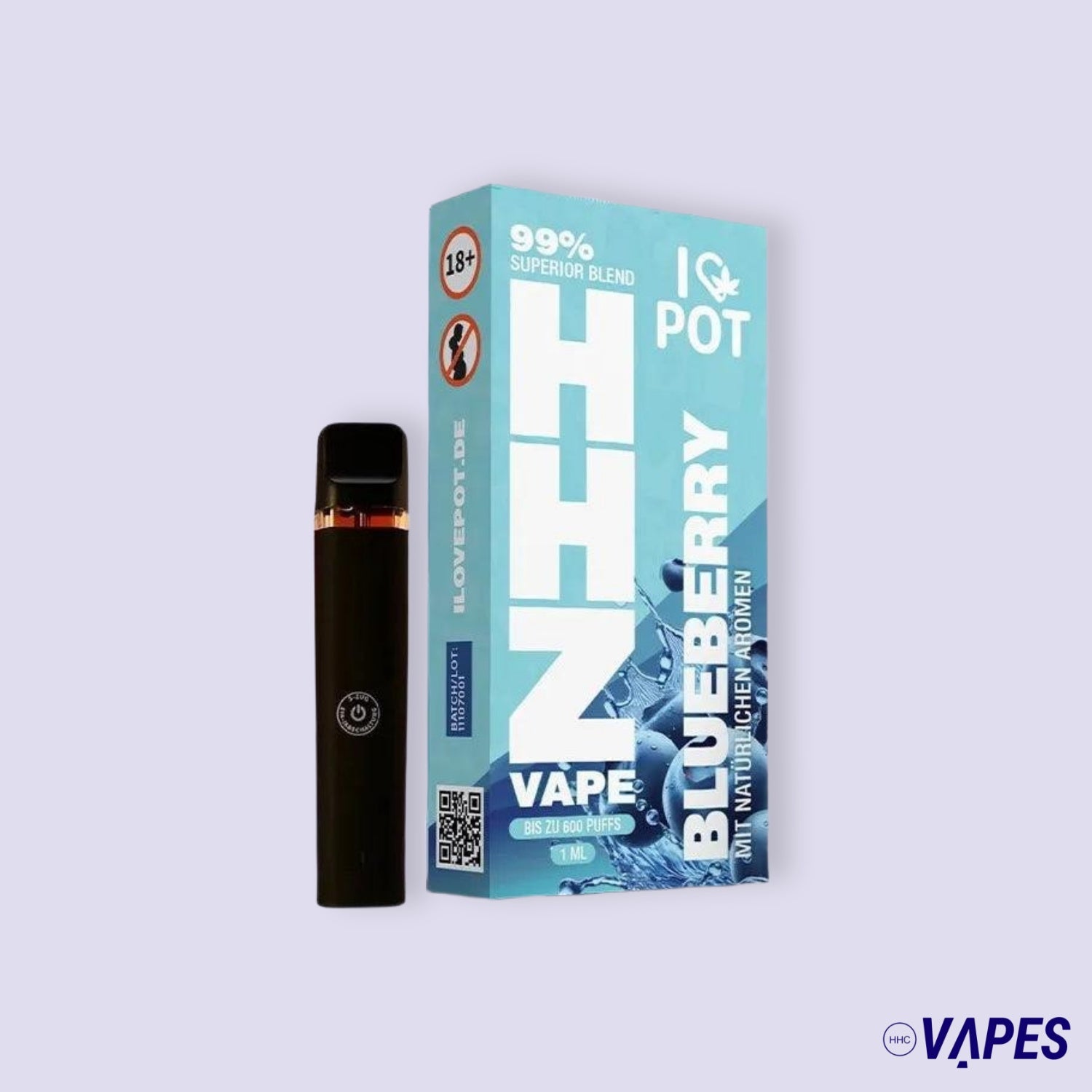
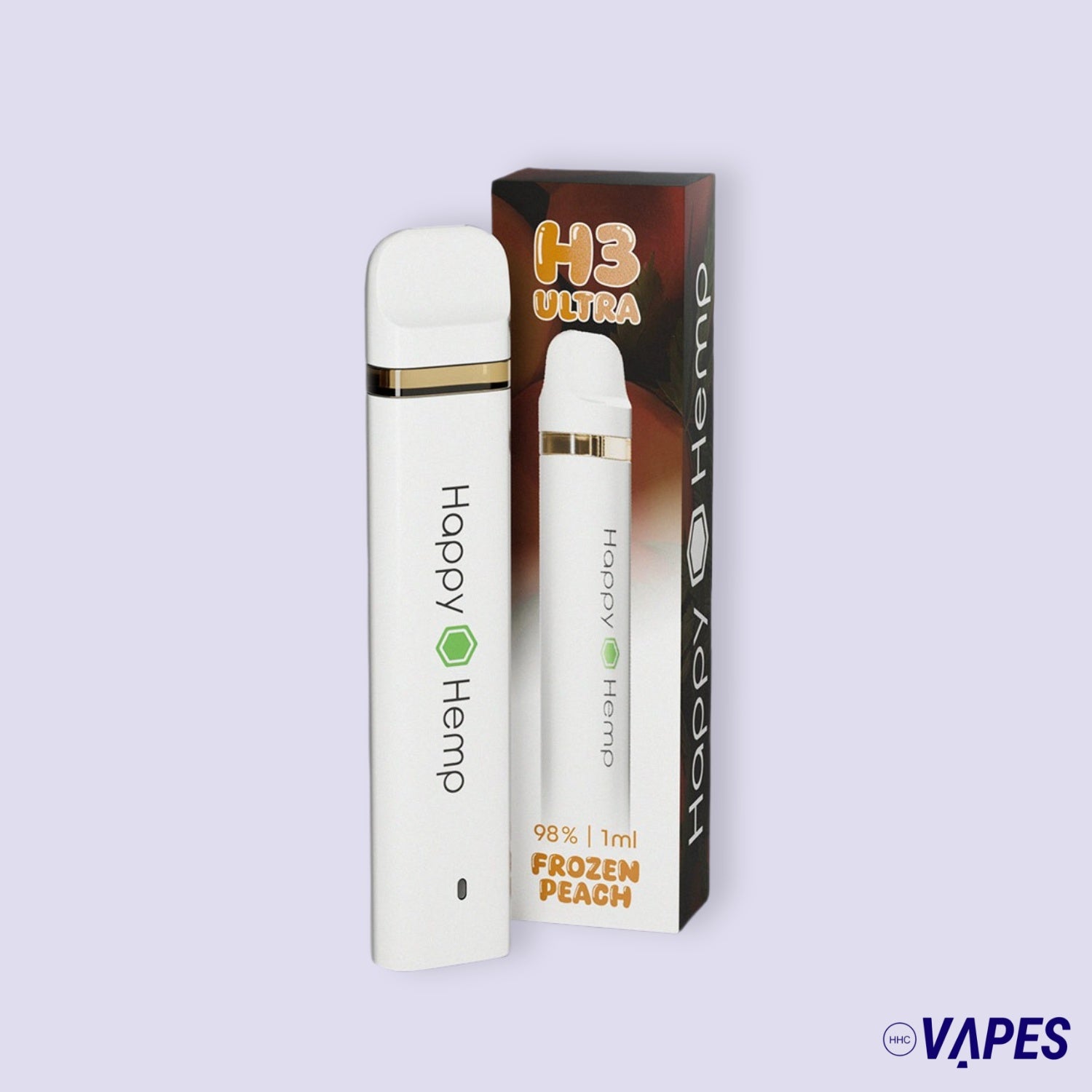
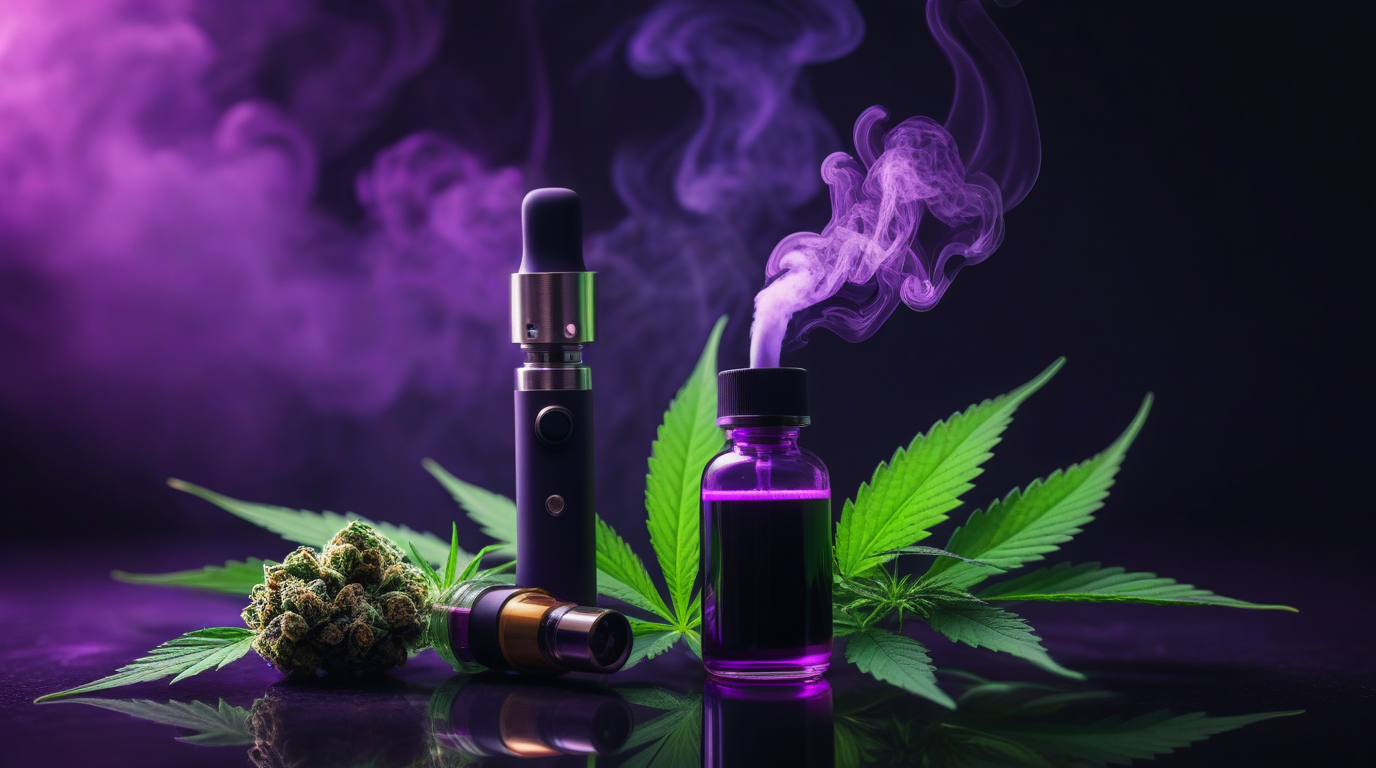
A vape – that is, an e-cigarette – works fundamentally differently. Here, no tobacco is burned; instead, a liquid (e-liquid) is electrically heated and vaporized. This process takes place at significantly lower temperatures than the combustion of a cigarette. The liquid typically consists of propylene glycol (PG), vegetable glycerin (VG), flavorings, and depending on the product, nicotine or alternative active substances such as cannabinoids.
Since no combustion occurs, no smoke is produced – instead, vapor is created, an aerosol that contains significantly fewer harmful substances compared to cigarette smoke. This difference is precisely the core of the debate surrounding the topic of vape vs. cigarette.
Vape vs. Cigarette: The Direct Pollutant Comparison
When you compare vaping and smoking, the difference in harmful substances is striking. Here are the most important points at a glance:
- Tar: Produced exclusively during the combustion of tobacco. When vaping, tar is completely eliminated – a decisive advantage, as tar is considered the primary cause of lung cancer and chronic respiratory diseases.
- Carbon monoxide: Also only released during combustion. E-cigarettes produce no carbon monoxide, which significantly reduces the strain on the heart and blood vessels.
- Carcinogenic substances: Studies show that while e-cigarette vapor is not free of harmful substances, the concentration of carcinogenic substances is up to 95% lower than in cigarette smoke.
- Particulate matter: Cigarette smoke contains high levels of particulate matter that penetrates deep into the lungs. When vaping, particulate matter exposure is significantly lower.
- Formaldehyde and acrolein: These substances can also be produced when vaping, but in much lower concentrations – provided the device is used correctly and not overheated.
What Does Science Say? Current Research 2025/2026
The most well-known and most frequently cited assessment comes from Public Health England (now: Office for Health Improvement and Disparities). The British health authority concluded as early as 2015 that e-cigarettes are approximately 95% less harmful than conventional tobacco cigarettes. This assessment has been confirmed and updated multiple times in subsequent reports.
The German Cancer Research Center (DKFZ) also acknowledges that while e-cigarettes are not risk-free, they release significantly fewer harmful substances than tobacco cigarettes. In a position paper, it states that switching from smoking to vaping can reduce the health burden.
Important to understand: "Less harmful" does not mean "harmless." E-cigarettes are not health products. The long-term effects of vaping over decades have not yet been fully researched, as the technology is relatively young. However, what research clearly shows: Switching from tobacco smoking to vaping drastically reduces exposure to the most dangerous harmful substances.
New Findings from Long-Term Studies
By now, the first long-term studies conducted over a period of five to ten years are available. They largely confirm the picture: In former smokers who completely switched to e-cigarettes, lung function, vascular health, and inflammation markers improved measurably. The improvements were most pronounced in individuals who completely stopped tobacco use – dual use (smoking and vaping simultaneously) provides hardly any benefits.
Vaping vs. Smoking: The Health Effects in Detail
Effects on the Lungs
Cigarette smoke damages the cilia in the airways, promotes chronic inflammation, and can lead to COPD (chronic obstructive pulmonary disease) as well as lung cancer. When vaping, the burden on the lungs is demonstrably lower. Studies show that former smokers who switch to e-cigarettes already show improved lung function after just a few weeks.
However, inhaling vapor is not without risk either. PG and VG can irritate the airways in sensitive individuals. In rare cases, instances of so-called EVALI (E-cigarette or Vaping Product Use-Associated Lung Injury) have been documented – however, these were almost exclusively linked to illegal THC products that contained vitamin E acetate as a diluent, and not to regular e-cigarettes.
Effects on the Cardiovascular System
Smoking is one of the greatest risk factors for heart attack, stroke, and atherosclerosis. The carbon monoxide and oxidative substances in cigarette smoke directly damage blood vessel walls. Since vaping produces no carbon monoxide and the overall pollutant load is significantly lower, the cardiovascular burden is also reduced. Nicotine itself – whether from a cigarette or a vape – temporarily increases blood pressure and heart rate, but it is not the main cause of severe vascular damage from smoking.
Oral Health and Gums
Smoking leads to tooth discoloration, gum inflammation, and increases the risk of oral cancer. When vaping, tooth discoloration is significantly less common, and the overall burden on the oral cavity is lower. Nevertheless, inhaling vapor can irritate the oral mucosa – good oral hygiene remains important in any case.
The Nicotine Topic: Addiction Potential of Vapes and Cigarettes
Nicotine is the substance that causes addiction in both cigarettes and many e-cigarettes. It is important to understand: While nicotine itself is addictive, it is not the main reason for the severe health damage caused by smoking. The danger primarily comes from combustion products.
With vaping, however, you have a decisive advantage: You can choose the nicotine strength yourself and gradually reduce it. Many vapers start with a higher nicotine content and reduce over weeks and months to lower levels – all the way to completely nicotine-free liquids. A tobacco cigarette does not offer this flexibility.
Furthermore, there is now a growing selection of vape products that are entirely nicotine-free and instead use alternative active substances. Particularly in the area of cannabinoids that are legal in Germany in 2026, a diverse market has developed. If you are curious, you can find a wide selection of devices and products in our vape collection.
Secondhand Smoke vs. Secondhand Vapor
An often underestimated aspect when comparing vape vs. cigarette is the burden on those around you. Secondhand smoke contains the same harmful substances as directly inhaled smoke and is proven to be harmful to health – especially for children, pregnant women, and people with respiratory diseases.
With so-called secondhand vapor, the situation is different. While exhaled vapor does contain small amounts of harmful substances, these are present in such low concentrations that, according to current research, no relevant health risk exists for bystanders. This is another plus point for e-cigarettes in the e-cigarette comparison.
Of course, it is still a matter of consideration not to vape in enclosed spaces or near non-smokers. But purely in terms of pollutant exposure, the difference from secondhand smoke is enormous.
Cost: Vaping vs. Smoking Compared
Beyond the health aspects, the financial factor also plays a role for many people. A pack of cigarettes in Germany now costs between 8 and 10 euros. At a consumption of one pack per day, that adds up to 240 to 300 euros per month.
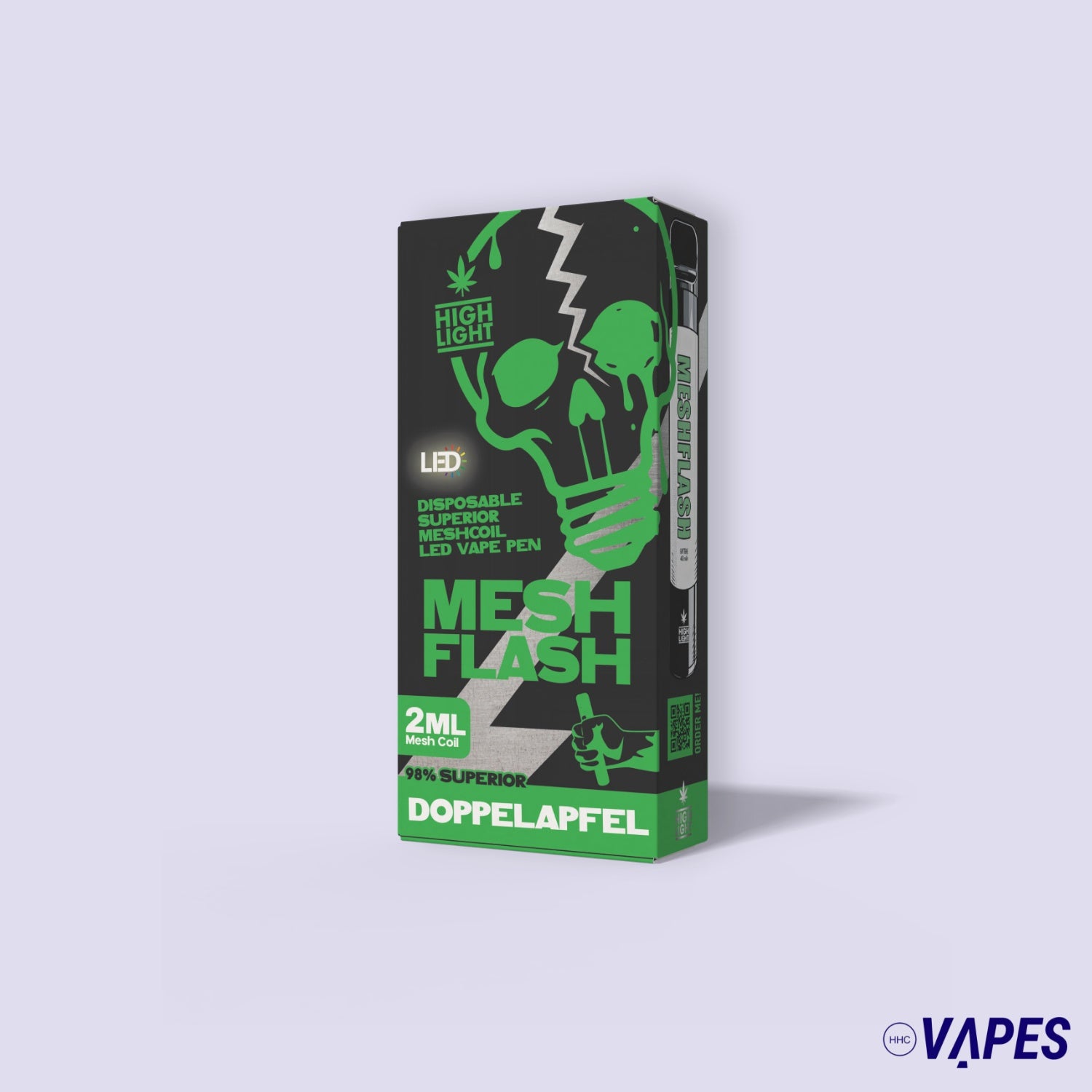
With vaping, the ongoing costs are typically significantly lower. After the initial investment for a device, monthly expenses for liquids and replacement parts typically range from 30 to 80 euros – depending on vaping habits and product choice. High-quality vapes, like those you can find in our Superior Vape collection, are durable and pay for themselves quickly.
Smell, Comfort, and Everyday Practicality
One thing many switchers notice immediately: The unpleasant cigarette smell is completely eliminated with vaping. No yellow fingers, no smelly clothes, no stale smoke in your home. The vapor dissipates within seconds and leaves at most a light, pleasant scent of the respective flavor.
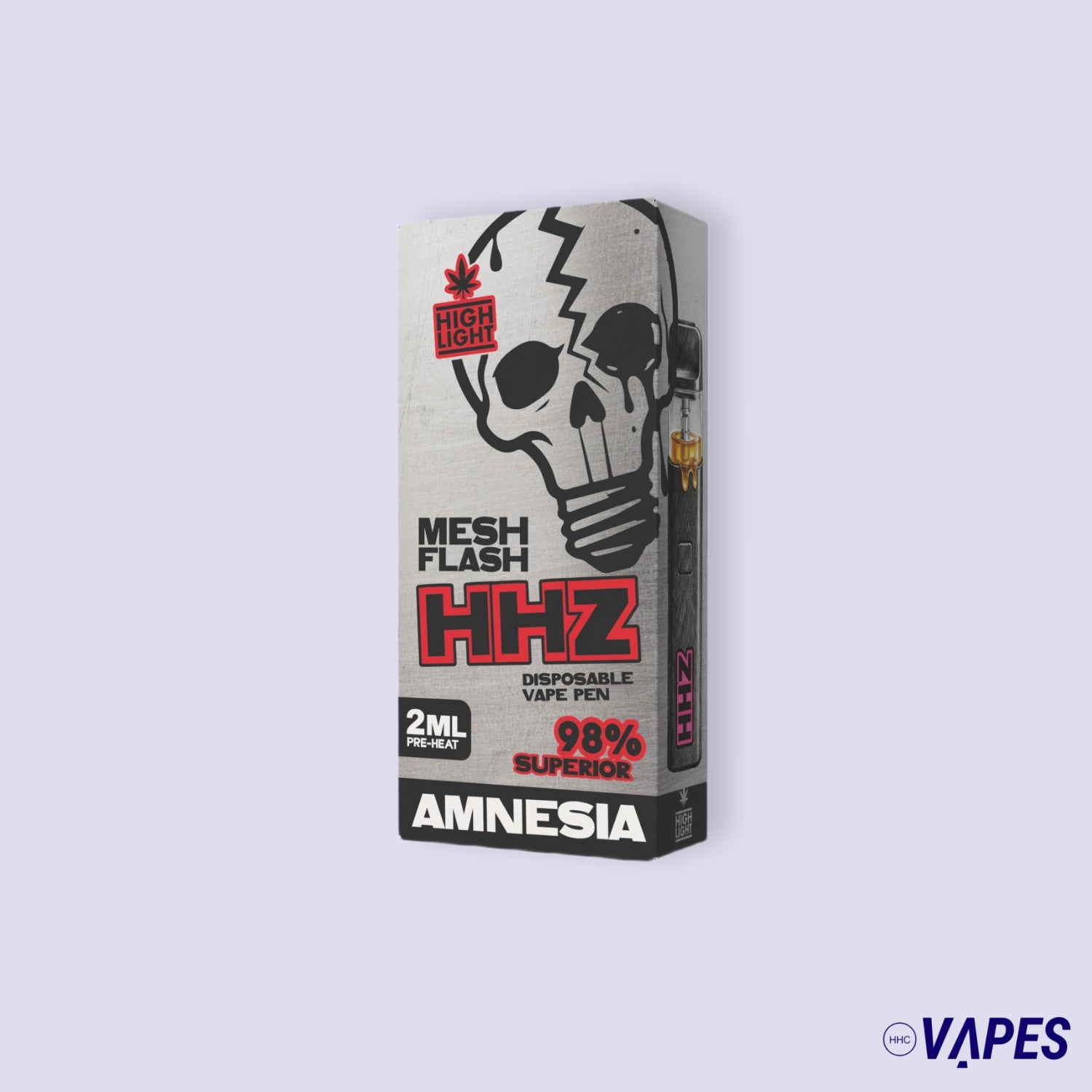
Everyday practicality also speaks in favor of e-cigarettes. Modern vapes are compact, easy to use, and available in many different designs. Whether you are looking for a beginner device or an advanced setup – the selection is large. In our HHZ Vapes collection, for example, you will find products specifically designed for a premium vaping experience.
What You Should Pay Attention to When Vaping
To ensure that vaping truly remains the healthier alternative, there are some important points to consider:
- Use quality products: Only buy vapes and liquids from reputable suppliers. Cheap products of unclear origin may contain inferior ingredients or heavy metals.
- No self-modifications: Do not tamper with your device and do not use self-mixed liquids with unknown additives.
- Correct temperature: Do not overheat your device. Excessively high temperatures can lead to the formation of formaldehyde and other harmful substances. Follow the manufacturer's specifications.
- Avoid dual use: The greatest health benefit comes from switching completely from smoking to vaping. Those who do both simultaneously hardly reduce their pollutant exposure.
- Observe youth protection: Vapes and liquids are not products for minors. Ensure that these products do not end up in the hands of children and adolescents.
Conclusion: Is Vaping Really Less Harmful Than Smoking?
The current scientific evidence is clear: In the direct comparison of vape vs. cigarette, vaping is significantly less harmful than smoking conventional tobacco cigarettes. The elimination of combustion removes the majority of the most dangerous harmful substances – including tar and carbon monoxide. Recognized health authorities worldwide confirm that e-cigarettes represent a substantially lower-risk alternative.
This does not mean that vaping is harmless. The healthiest option remains neither smoking nor vaping. But for people who already smoke and are looking for a less harmful alternative, switching to an e-cigarette is, according to scientific knowledge, a sensible step in the right direction.
Frequently Asked Questions (FAQ)
Is vaping really 95% less harmful than smoking?
This figure comes from Public Health England and refers to the significantly lower pollutant exposure when vaping compared to smoking. It does not mean that vaping is completely risk-free, but that exposure to carcinogenic and other dangerous substances is drastically reduced. The assessment has been supported by several independent studies and confirmed in subsequent reviews.
Can I quit smoking through vaping?
Many former smokers have made the switch through e-cigarettes. The advantage: You can gradually reduce the nicotine dose while maintaining the familiar hand-to-mouth ritual. Studies, including those from the United Kingdom, show that e-cigarettes are at least as effective as a quitting aid as conventional nicotine replacement therapies. For the best success, you should end dual use as quickly as possible and switch completely.
Is the vapor from an e-cigarette harmful to those around me?
According to current research, secondhand vapor is significantly less harmful than secondhand smoke. The pollutant concentrations in exhaled vapor are so low that no relevant health risk to bystanders has been demonstrated. Nevertheless, it is considerate not to vape in enclosed spaces or near sensitive individuals.
What ingredients are in e-cigarette liquids?
By default, liquids consist of propylene glycol (PG), vegetable glycerin (VG), food-grade flavorings, and optionally nicotine. PG and VG are approved as food additives and are considered safe for oral consumption. Less long-term data is available for inhalation, but studies to date show no serious risks with intended use. There are also liquids with alternative active substances such as cannabinoids – pay particular attention to quality and legal requirements here.
Are disposable vapes just as safe as reusable devices?
In principle, disposable vapes are also subject to legal requirements and quality standards. However, there are unfortunately also inferior products on the market, especially when distributed through unofficial channels. Therefore, always buy from trustworthy retailers and look for complete product labeling. Reusable devices also offer the advantage that you can determine the liquid quality yourself and produce less electronic waste in the long run.


Leave a comment
All comments are moderated before being published.
This site is protected by hCaptcha and the hCaptcha Privacy Policy and Terms of Service apply.