



Table of contents
- What Is THCV? Everything About the "Sports Cannabinoid"
- What Is THCV? The Basics Simply Explained
- THCV Effects: What Happens in the Body?
- THCV Experiences: What Do Users Report?
- THCV vs. THC: The Key Differences
- THCV vs. Other Cannabinoids: HHC, CBD & More
- How Do You Consume THCV?
- Legal Status of THCV
- Who Is THCV Interesting For?
- Frequently Asked Questions (FAQ)
- Conclusion: THCV – A Cannabinoid with Potential
What Is THCV? Everything About the "Sports Cannabinoid"
You've already heard of THC, CBD, and HHC – but what exactly is THCV? Tetrahydrocannabivarin, or THCV for short, is one of the most fascinating cannabinoids that has been gaining more and more attention in recent years. It is sometimes referred to as "Diet Weed" or the "Sports Cannabinoid" because it is attributed with very special properties. In this article, you'll learn everything about the effects of THCV, real THCV experiences from the community, and the key differences from other cannabinoids.
What Is THCV? The Basics Simply Explained
THCV (Tetrahydrocannabivarin) is a naturally occurring cannabinoid that is produced in the cannabis plant. Chemically, it is closely related to THC but differs in one crucial aspect: THCV has a shorter side chain on the molecule – specifically a propyl chain instead of a pentyl chain. This may sound like a small detail, but it has significant effects on how it works.
Where Does THCV Come From?
THCV is found primarily in certain cannabis strains from southern Africa, including landrace strains from South Africa, Malawi, and other regions. In most commercially available cannabis strains, the THCV content is relatively low – often below 1%. However, through selective breeding and modern extraction methods, THCV can now be obtained in higher concentrations.
How Is THCV Produced in the Plant?
The biosynthetic pathway of THCV differs from that of classic THC. While THC is derived from cannabigerolic acid (CBGA), THCV is formed from cannabigerovarinic acid (CBGVA). Through enzymatic processes and subsequent decarboxylation, the active THCV is ultimately produced. This independent formation pathway also explains why THCV is not simply a "byproduct" of THC but rather an independent cannabinoid with its own properties.
THCV Effects: What Happens in the Body?
The effects of THCV are what make this cannabinoid so special. Unlike many other cannabinoids, THCV behaves differently depending on the dose at the cannabinoid receptors of your endocannabinoid system.
Effects on CB1 and CB2 Receptors
At low doses, THCV acts as an antagonist at the CB1 receptor. This means it partially blocks this receptor instead of activating it. At higher doses, however, THCV can become a partial agonist and activate the CB1 receptor – at which point psychoactive effects also occur, though they are described as shorter and clearer than those of THC.
The Most Important Effects at a Glance
- Energizing rather than sedating: Many users report a clear, focused feeling – quite different from the typical "couch lock" that some experience with THC.
- Appetite suppressing: While THC is known to stimulate appetite (the famous "munchies"), THCV is discussed in research as potentially appetite-suppressing. This is also where the nickname "Diet Weed" comes from.
- Shorter duration of effect: Compared to THC, the effects of THCV kick in faster but also wear off sooner – the duration is typically estimated at about half that of THC.
- Clarity and focus: Users frequently describe the psychoactive effect of THCV as mentally stimulating, without the drowsiness typical of THC.
- Potential neuroprotective properties: Preclinical studies suggest that THCV may possess neuroprotective properties, though further research is needed.
What Does the Research Say?
Scientific research on THCV is still in its early stages but shows promising approaches. Studies on animal models have observed appetite-suppressing effects and possible positive impacts on glucose metabolism. A widely cited 2015 study in the journal "Nutrition & Diabetes" examined THCV in connection with type 2 diabetes and found indications of improved glucose tolerance. However, it is important to emphasize that animal studies are not directly transferable to humans and clinical trials are still pending.
THCV Experiences: What Do Users Report?
Beyond the scientific perspective, THCV experiences from the community are of course particularly interesting. In forums, on social media, and in experience reports, a fairly consistent picture emerges:
Positive Experiences
- "Like an espresso shot for the brain" – Many users compare the effect to a mental boost that enhances concentration and motivation.
- Ideal for daytime use: Unlike classic THC products, many report being able to use THCV during the day without feeling tired or drowsy.
- Less food cravings: Users consistently confirm that the typical "munchie effect" is absent with THCV or even reverses.
- Shorter but intense: The more compact duration of effect is seen by many as an advantage – you know exactly when the effect will wear off.
Critical Voices
Not all experiences are exclusively positive. Some points that users note critically:
- The short duration of effect can also be perceived as a disadvantage if you are looking for a longer-lasting effect.
- At higher doses, the effect can be unexpectedly intense for beginners.
- Pure THCV products are currently still harder to find than, for example, HHC or CBD products.
- Individual effects vary greatly – what is perfect for one person may be too little or too much for another.
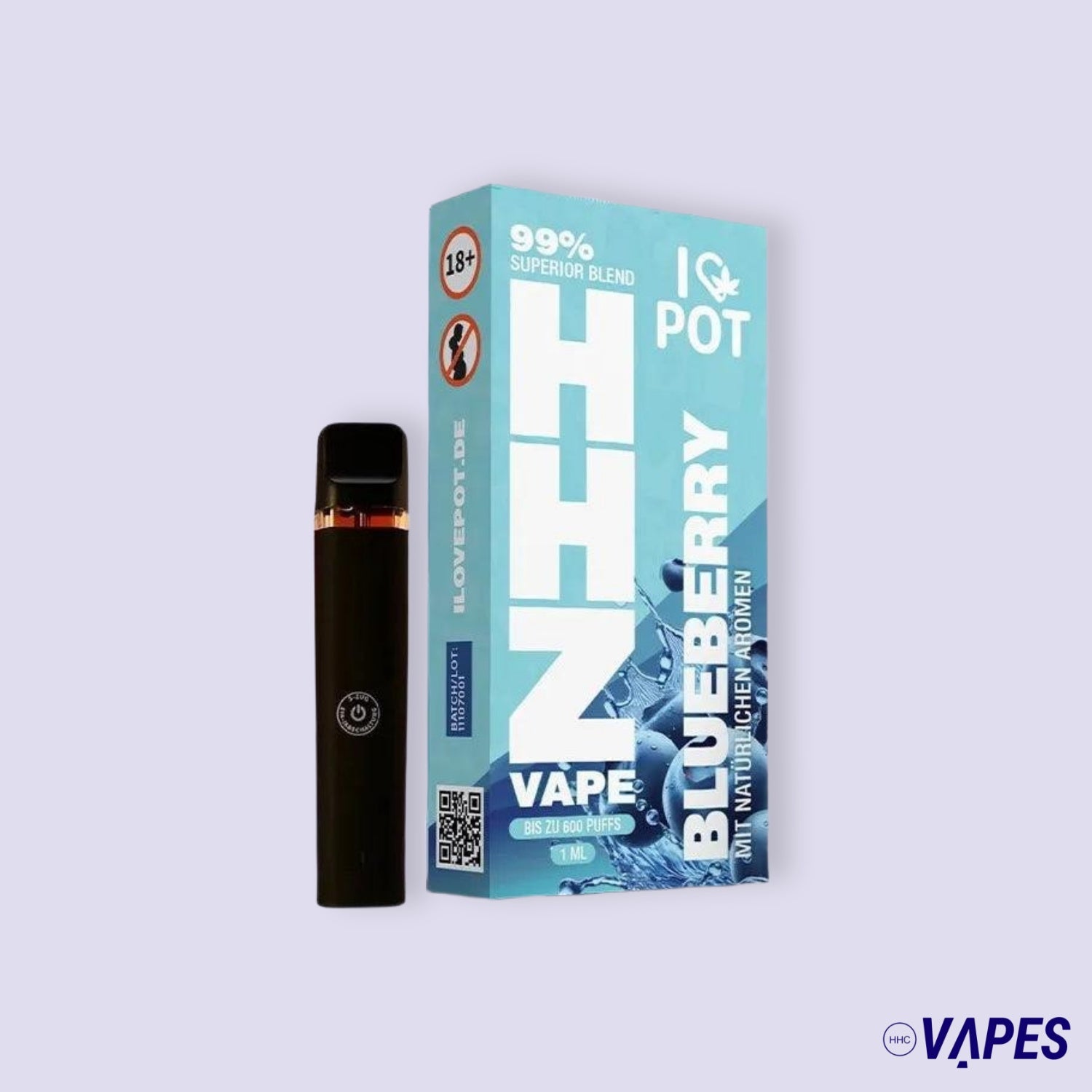
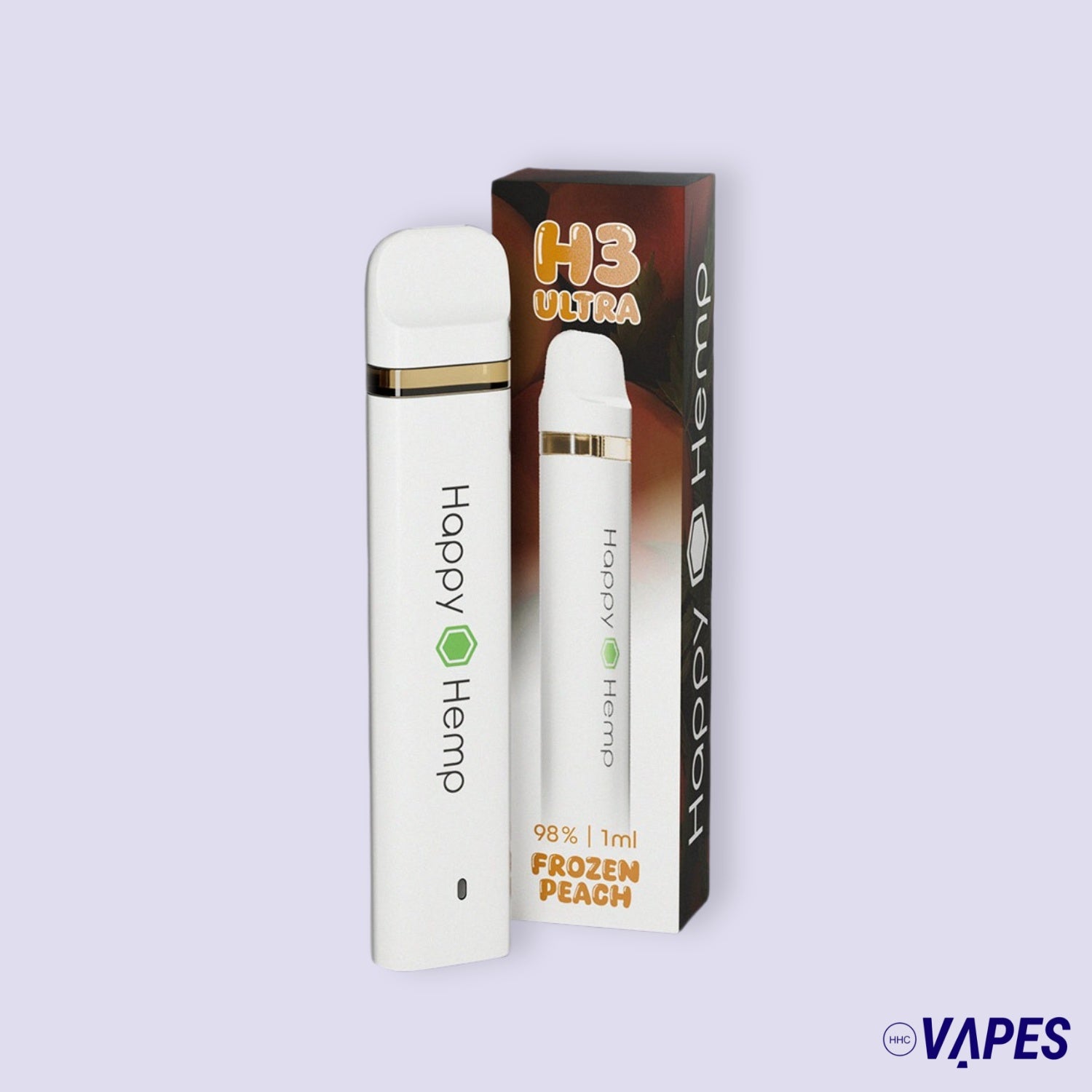
If you're interested in alternative cannabinoids and are looking for high-quality vape products, check out our vape collection. There you'll find a wide selection of products with various cannabinoid profiles.
THCV vs. THC: The Key Differences
At first glance, THCV and THC sound almost the same – but the differences are significant. Here are the most important points in a direct comparison:
Chemical Structure
As already mentioned, THCV has a shorter side chain (3 carbon atoms instead of 5). This seemingly small difference fundamentally changes the way the molecule binds to the cannabinoid receptors.
Psychoactivity
THC is psychoactive at any effective dose. THCV, on the other hand, has little to no psychoactive effect at low doses and only develops a noticeable psychoactive effect at higher doses – which is then described as clearer and more focused.
Appetite
One of the most striking differences: THC increases appetite, while THCV appears to suppress it. For people who want to use cannabinoid products without raiding the fridge afterwards, this can be a decisive advantage.
Duration of Effect
The effects of THCV kick in faster and also wear off more quickly. While a THC high can last several hours depending on the method of consumption, users report a significantly shorter window of effect with THCV.
THCV vs. Other Cannabinoids: HHC, CBD & More
THCV is just one of over 100 known cannabinoids. How does it compare to other popular compounds?
THCV vs. HHC
HHC (Hexahydrocannabinol) is a hydrogenated cannabinoid that has gained significant popularity in recent years. While HHC tends to produce a mild, relaxing effect often compared to a lighter version of THC, THCV scores with its energizing, focus-enhancing effect. HHC is currently much more readily available – if you're interested in HHC products, you'll find high-quality options in our Superior Vape collection.
THCV vs. CBD
CBD is not psychoactive and is primarily valued for its calming and anti-inflammatory properties. THCV can be psychoactive at higher doses and has a completely different effect profile – energizing rather than calming. Both cannabinoids have their place but serve different needs.
THCV vs. THCP
THCP is a particularly potent cannabinoid with a longer side chain than THC. It binds significantly more strongly to the CB1 receptors and is estimated to be many times more potent than THC. THCV is milder and more controllable by comparison – especially at lower doses.
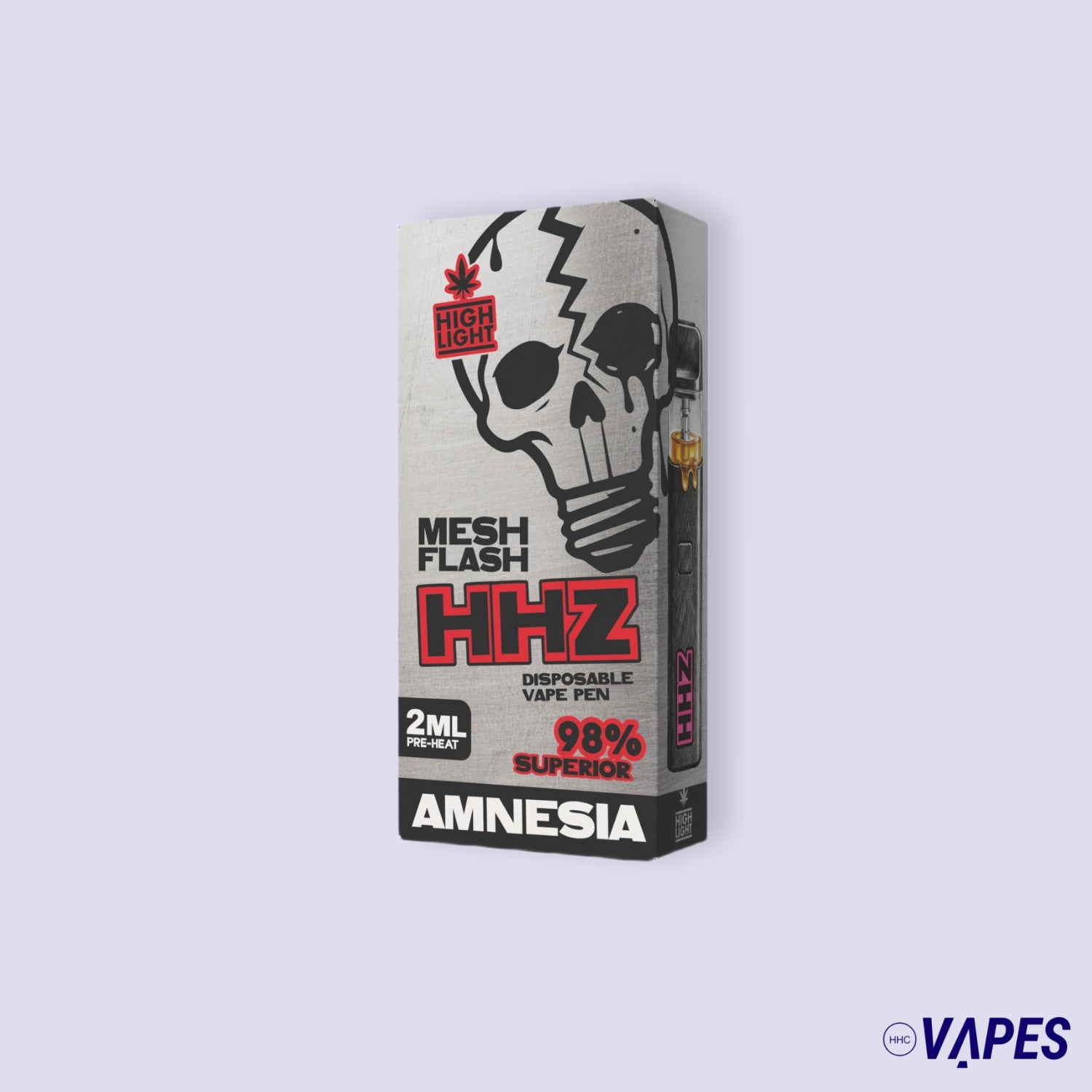
Want to try different cannabinoid profiles? In our HHZ Vapes collection, you'll find innovative products with exciting cannabinoid combinations.
How Do You Consume THCV?
THCV can be consumed in various ways. The most common methods are:
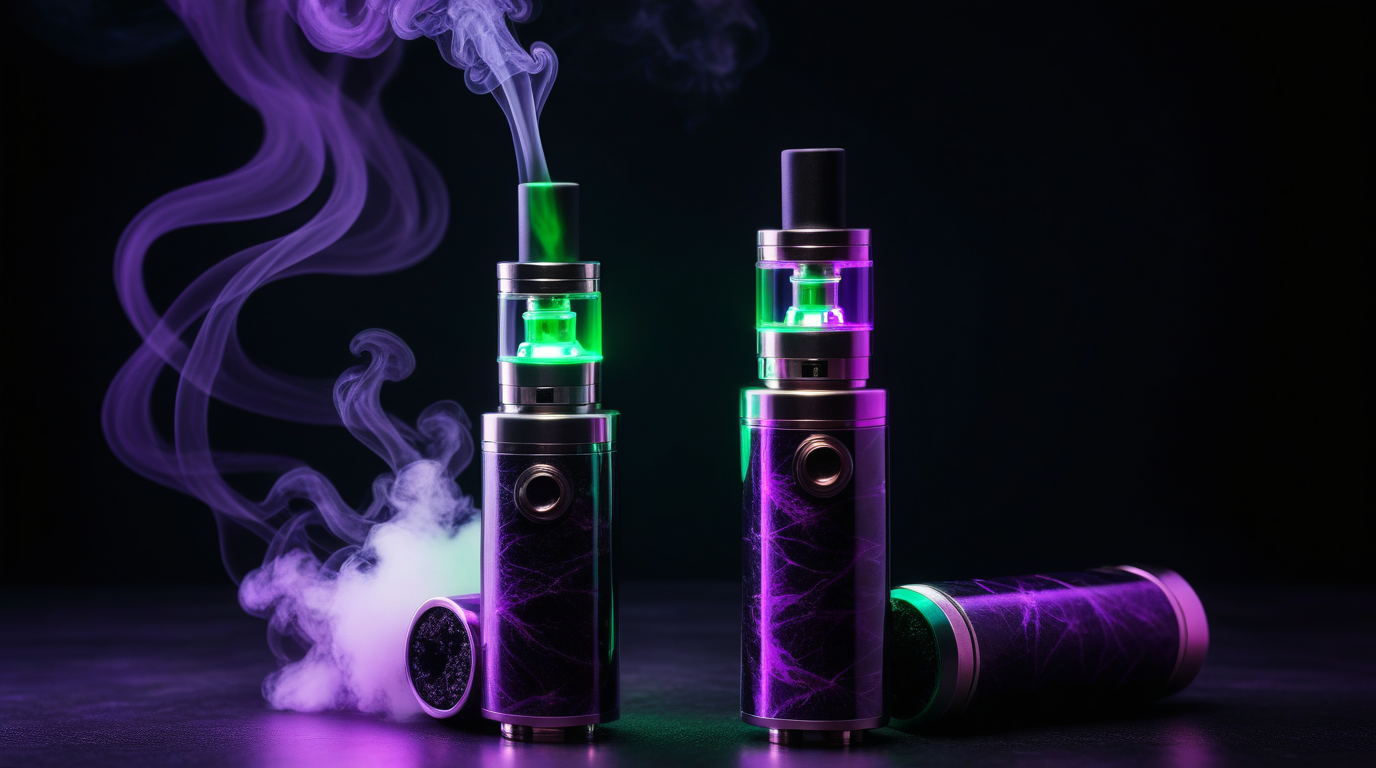
- Vaping: Vaporizing THCV-containing liquids or extracts is one of the most popular methods. The onset of effects is fast (within a few minutes), and dosing can be well controlled. If you want to learn about the rules around vaping, we recommend our article Vaping at the Office: What's Allowed and What's Not?
- Edibles: THCV can also be consumed through food. The onset of effects takes longer here (30-90 minutes), but the effects also last longer.
- Tinctures and oils: Taken sublingually (under the tongue), tinctures offer a good middle ground between fast onset and easy dosing.
- Flower: Some special cannabis strains contain higher levels of THCV and can be smoked or vaporized.
Dosing Tips
Since THCV has different effects depending on the dose, proper dosing is particularly important:
- Start low: Begin with a small dose and increase slowly. This way you'll find the sweet spot between non-psychoactive and psychoactive effects.
- Observe the effects: Give your body time to react before re-dosing – especially with edibles.
- Keep a journal: Write down the dose, timing, and effects. This way you can optimize your ideal dosage over time.
Legal Status of THCV
The legal situation surrounding THCV is complex and varies by country and region. In Germany, THCV generally falls under the Narcotics Act when derived from the cannabis plant. However, due to constantly changing legislation, there are regular adjustments.
It is important that you inform yourself about the current legal situation in your country before purchasing and consuming THCV products. Laws can change quickly, and what is legal today may be regulated differently tomorrow. Always rely on reputable sources and, when in doubt, seek legal advice.
Who Is THCV Interesting For?
Based on the described properties and experience reports, THCV could be particularly interesting for the following groups of people:
- Active people and athletes: The energizing effect without sedation makes THCV attractive for people who maintain an active lifestyle.
- Creatives and professionals: The described focus effect can be interesting for people who want to use cannabinoids without sacrificing productivity.
- Cannabinoid enthusiasts: Those who already have experience with various cannabinoids and are looking for new experiences will find an exciting profile in THCV.
- People who want to avoid "munchies": The appetite-suppressing property clearly distinguishes THCV from most other cannabinoids.
Frequently Asked Questions (FAQ)
Does THCV get you high?
That depends on the dose. At low doses, THCV has little to no psychoactive effect and even partially blocks the CB1 receptors. At higher doses, however, THCV can produce a psychoactive effect that is described as clear, energizing, and shorter than a THC high. The threshold for psychoactive effects varies from person to person.
What is the difference between THCV and THC?
Although the names sound similar, there are significant differences: THCV has a shorter molecular side chain, acts as a CB1 antagonist at low doses (instead of an agonist), can suppress appetite (instead of increasing it), has a shorter duration of effect, and is described as mentally clearer and more focused. You can find detailed information in the "THCV vs. THC" section above.
Is THCV legal in Germany?
The legal situation surrounding THCV is complex and in flux. In principle, THCV can fall under the Narcotics Act. Since legislation changes regularly, we recommend that you inform yourself about the current legal situation before purchasing and seek legal advice when in doubt.
Can THCV be detected in a drug test?
Conventional drug tests are typically designed to detect THC and its metabolite THC-COOH. Since THCV is structurally related, there is a possibility that it could trigger a positive result on certain tests – especially with less specific immunoassays. If you are regularly drug tested, you should approach THCV with caution.
How quickly does THCV take effect when vaping?
When vaporizing (vaping), THCV effects typically set in within 2-5 minutes. The overall effect lasts shorter than THC – many users report a duration of effect between 30 and 60 minutes. This makes vaping a good method to experience THCV quickly and in a controlled manner.
Conclusion: THCV – A Cannabinoid with Potential
THCV is undoubtedly one of the most exciting cannabinoids currently being researched. With its unique effect profile – energizing, focus-enhancing, and potentially appetite-suppressing – it clearly stands out from better-known cannabinoids like THC, CBD, or HHC. The THCV experiences from the community so far and the initial scientific findings paint a promising picture.
Nevertheless, it is important to have realistic expectations: research is still in its early stages, and not all anecdotal reports can be scientifically confirmed. As with any cannabinoid: start slowly, observe the effects, and inform yourself about the current legal situation.
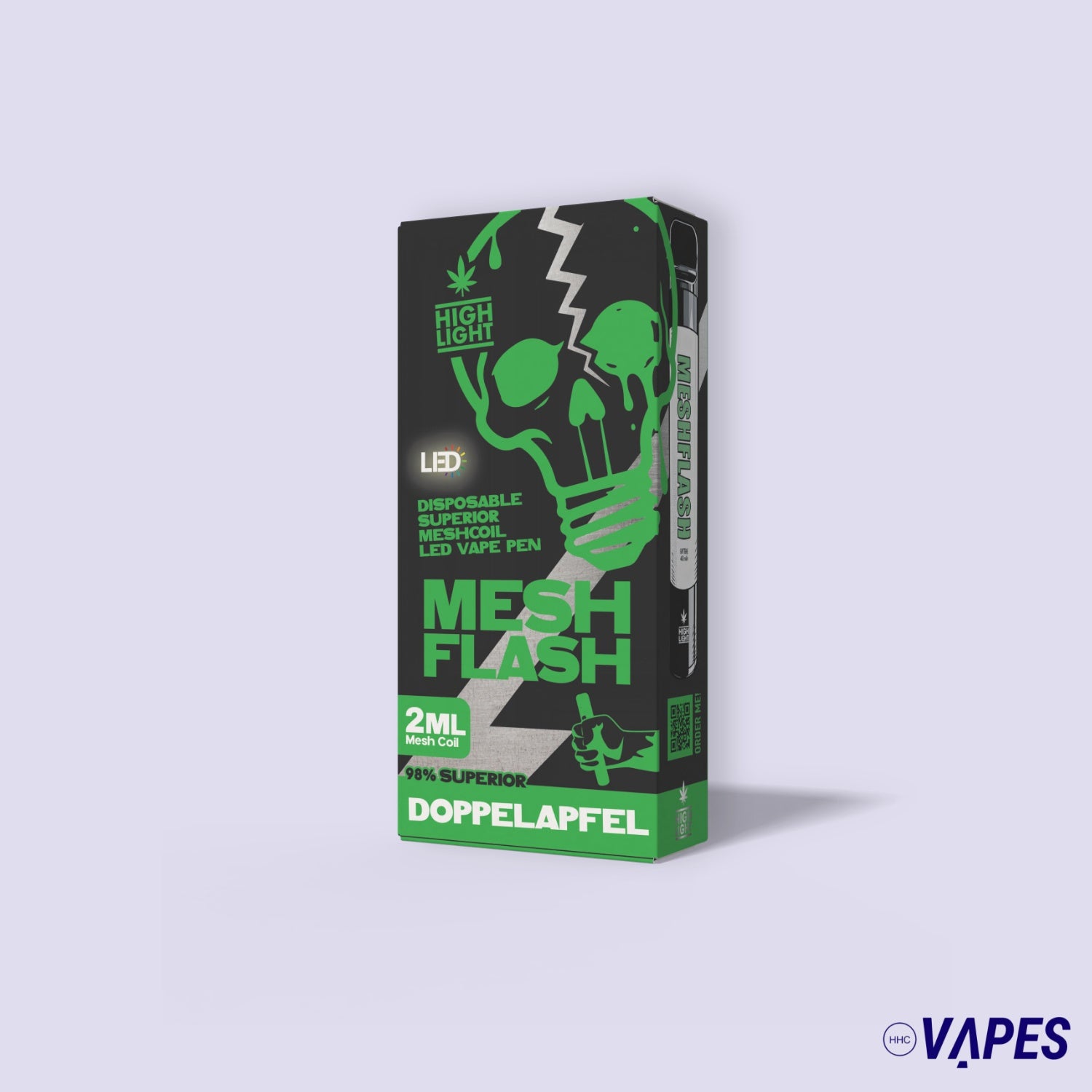
Are you curious about the world of cannabinoids and want to discover high-quality vape products? Then browse through our complete vape collection and find the right product for you.


Leave a comment
All comments are moderated before being published.
This site is protected by hCaptcha and the hCaptcha Privacy Policy and Terms of Service apply.