






Table of contents
- Vaping at the airport – is it really allowed?
- Vape in carry-on or checked luggage? The most important rule first
- Battery rules: what can I really take with me?
- Can I vape inside the airport?
- International differences: be careful abroad
- Practical tips for stress-free travel with a vape
- What to do if your vape is confiscated anyway?
- FAQ – Frequently asked questions about vapes at the airport
- Conclusion: with the right preparation, no problem
Vaping at the airport – is it really allowed?
You're just about to head off on vacation, your suitcase is packed, and suddenly the crucial question pops up: what actually happens to your vape at the airport? Can you even take it with you, does it belong in your carry-on or your checked luggage, and what does security have to say about it? Especially if you vape regularly, this uncertainty is annoying – after all, you don't want to risk having your beloved device confiscated at check-in or even getting into trouble with the law.
The good news up front: in most cases, you're allowed to take your vape with you when you travel. However, there are some important rules you should know – both regarding transport and your behavior at the airport and on the plane itself. In this article, we'll give you a comprehensive overview so you can get through security relaxed and enjoy your flight without any nasty surprises.
Vape in carry-on or checked luggage? The most important rule first
If you take only one thing away from this article, let it be this: your vape and all its batteries ALWAYS belong in your carry-on, never in checked luggage. This isn't an arbitrary rule made up by the airlines, but an international safety regulation that applies worldwide. The reason is simple: in the worst case, lithium-ion batteries can catch fire, and in the cargo hold a fire would only be noticed late. In the passenger cabin, on the other hand, the cabin crew can react immediately.
This rule applies to classic e-cigarettes as well as all modern disposable vapes and pod systems. Whether nicotine vape, HHC vape, or another cannabinoid product – the battery regulation applies to all of them equally. Anyone who packs their vape in checked luggage anyway risks not only losing the device but, in the worst case, facing legal charges.
What happens at the security check?
At the security check, you'll generally need to take your vape out of your carry-on separately and place it in one of the trays – similar to laptops or larger electronic devices. Some airports are stricter about this than others, but when in doubt: better to take it out one time too many than too few. The security staff will briefly inspect your device, may carry out an explosives swab test, and then return the vape to you.
For liquids, the usual 100-milliliter rule also applies: each individual bottle may hold a maximum of 100 ml, and all liquids together must fit into a transparent, resealable bag (maximum 1-liter capacity). This also includes your liquids and even disposable vapes with a larger tank. In practice, however, most disposable vapes with their 2 ml tank volume are not a problem.
Battery rules: what can I really take with me?
Most airlines follow the guidelines of the IATA (International Air Transport Association). According to these: batteries with an energy capacity of up to 100 Wh can be transported in carry-on luggage without any problem. For batteries between 100 and 160 Wh, you need approval from the airline; anything above that is prohibited on passenger aircraft. For most vapes, however, this is irrelevant – hardly any commercially available vape even comes close to this limit.
Transporting spare batteries correctly
If you want to take spare batteries with you, please note the following points:
- Pack each battery individually in an insulating sleeve or a zip bag so that the contacts cannot touch each other.
- Tape over the poles with insulating tape if you no longer have the original packaging.
- A maximum of two spare batteries per person is generally allowed – this may vary depending on the airline.
- Never carry them loose in your pants pocket or together with metal objects (coins, keys).
These precautions aren't harassment, but really important. There have been several incidents in the past where short-circuited batteries caused fires on planes.
Can I vape inside the airport?
Short answer: no, in the vast majority of cases you cannot. Airports are considered public buildings, in which the smoking ban in Germany is enforced very strictly – and this includes vaping. Even if your vape doesn't produce classic smoke but only aerosol, it's usually treated the same as cigarettes when it comes to bans.
Most major airports, however, offer special smoking areas. These are often hidden behind security, sometimes as small glass cabins, sometimes as separated outdoor areas. Here you are usually also allowed to vape. Be sure to pay attention to the signage – some smoking zones are explicitly intended only for tobacco products and exclude e-cigarettes.
On the plane itself: an absolute ban
On the plane, vaping is prohibited without any exception. This also applies to the toilets, where many passengers still believe they can go unnoticed. Forget it – the smoke detectors also respond to vape aerosol, and the penalties are drastic. We're not talking about a small reprimand here, but fines in the four- to five-figure range, possible bans by airlines, and in particularly brazen cases even criminal consequences.
Some frequent flyers wonder how to handle their consumption on long flights. By the way, if you reach for your vape regularly, it's worth taking a look at our guide Vaporizer - how often to puff? Guide and tips to better assess your consumption and plan accordingly before your flight.
International differences: be careful abroad
What applies in Germany and the EU is by no means guaranteed to apply at your travel destination. Especially with cannabinoid-containing vapes like HHC or HHC-P products, you should definitely inform yourself about the legal situation at your destination before traveling. In some countries, even CBD products are strictly regulated, not to mention HHC.
Countries with strict vape rules
Here's a brief, non-exhaustive overview of countries where you should be particularly careful with vapes:
- Thailand: Complete vape ban, high fines and even prison sentences are possible.
- Singapore: Possession and import of e-cigarettes are strictly prohibited.
- India: The sale and possession of vapes is prohibited.
- Turkey: Import is prohibited, sales are strictly regulated.
- Australia: Nicotine liquids require a prescription.
- USA: Rules vary widely from state to state, especially for cannabinoid vapes.
This list is just an excerpt and can change at any time. Before every trip, check the current regulations with the embassy or the foreign ministry. Better to research one time too many than be held at the destination airport.
Within the EU
Within the European Union, the situation is more relaxed, but not identical everywhere. Nicotine vapes are generally permitted, although different tax regulations partly apply. For personal use in normal household quantities, however, this shouldn't be a problem. With HHC products, the legal situation has become more complicated since the recent legislative changes in several EU countries – here too: do your homework beforehand.
Practical tips for stress-free travel with a vape
To make sure your trip with a vape goes smoothly, we've put together a few proven tips for you here. These are based on the experiences of countless travelers and can save you a lot of hassle.
Before the trip
- Don't charge your battery fully before the flight – a charge level between 30 and 50 percent is ideal for transport.
- Activate the transport mode or switch the vape off completely so that it doesn't accidentally fire in your luggage.
- If you have a refillable tank, empty the liquid chamber or leave only a little in it – otherwise pressure differences can cause leaks.
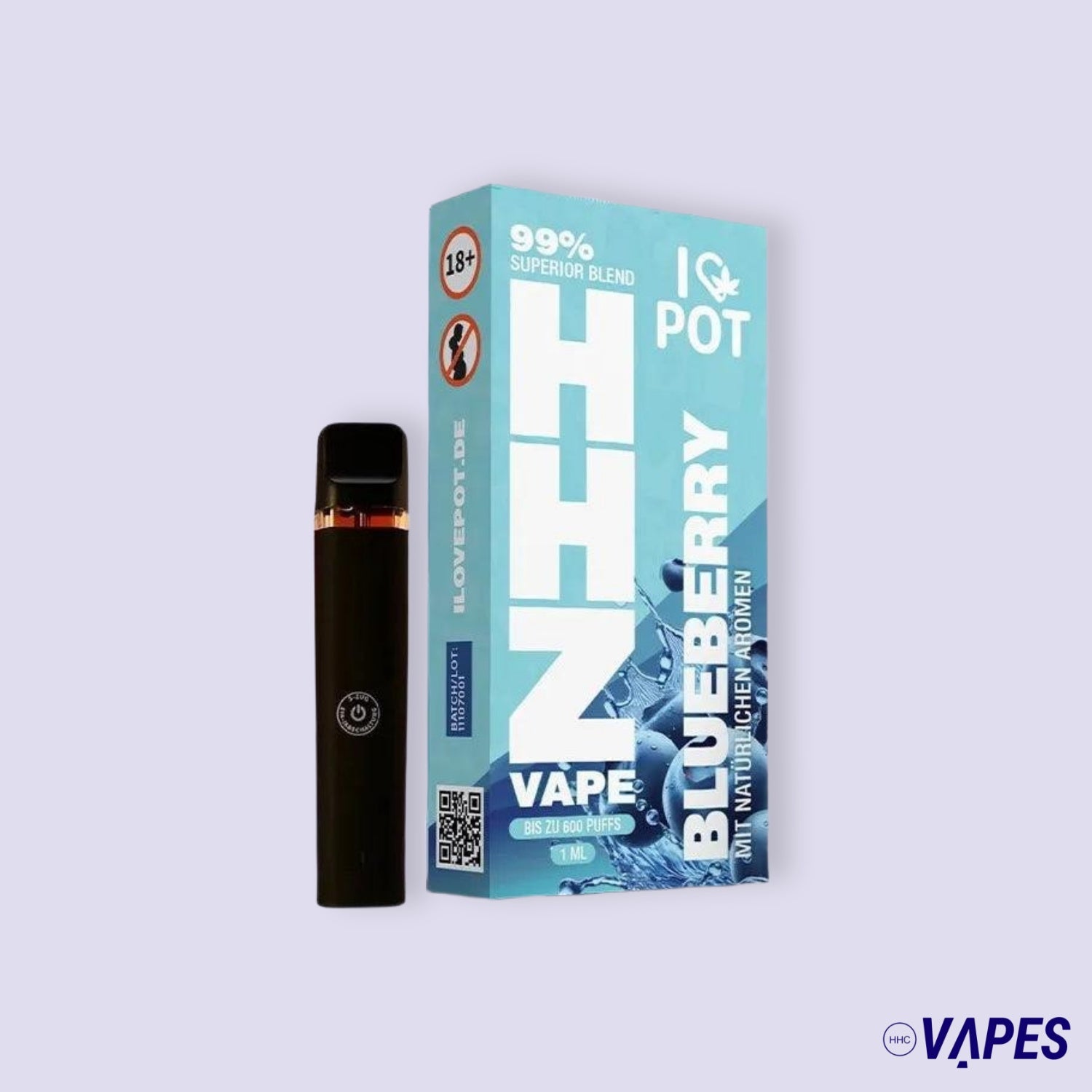
- Take a look at different vape models if you're specifically looking for a more robust device for travel. In our category Vapes you'll find a wide selection of devices for different needs.
At the airport
- Pack your vape within easy reach in your carry-on, ideally in a separate bag or a zip bag.
- Be proactive at security and show the device – this speeds up the process.
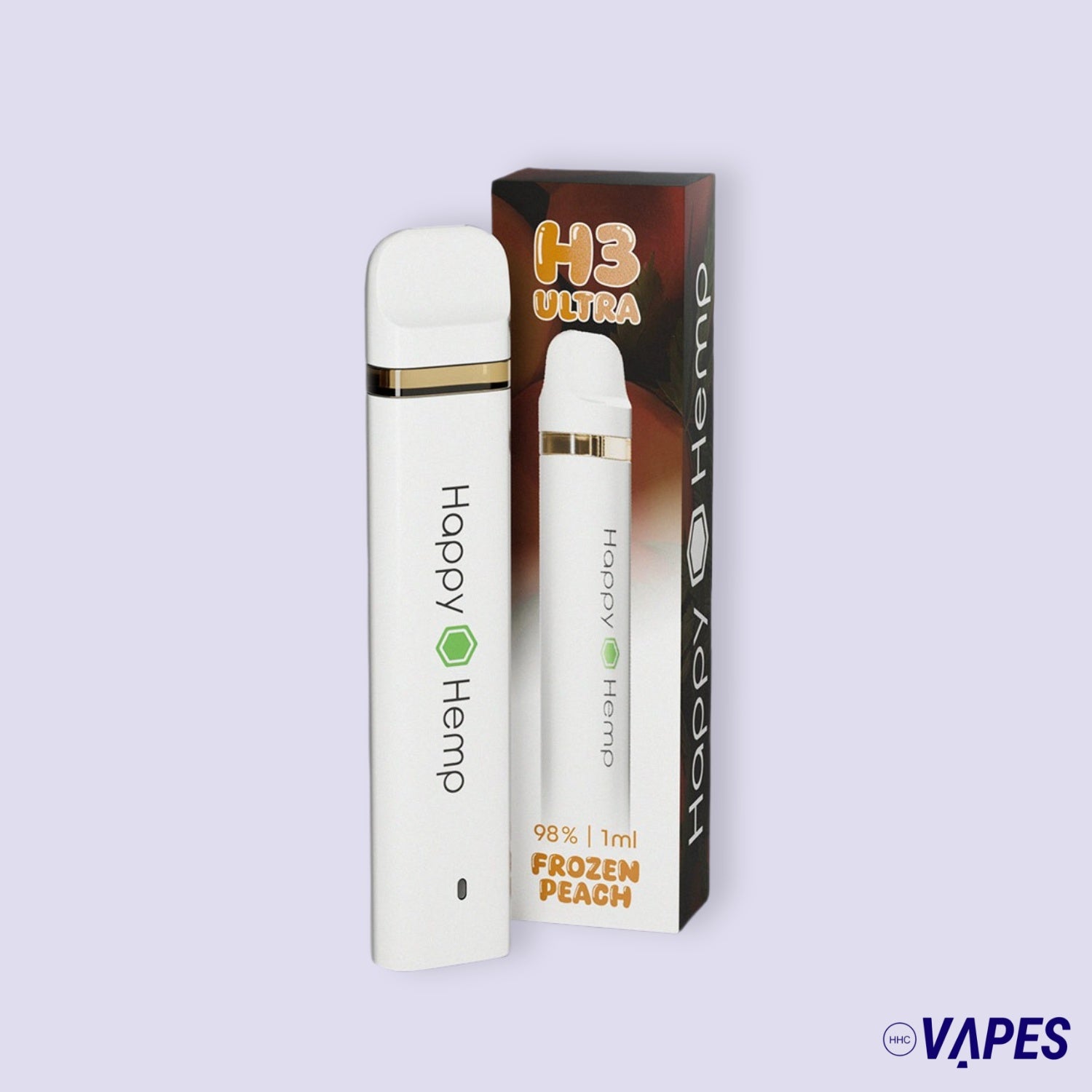
- If you use premium devices on the go, robust models like those from our Superior Vape collection are particularly practical, as they are usually more sturdily built.
- Keep your hands clean – liquid residue on the device can lead to false alarms during the explosives swab test.
At your destination
- Inform yourself right after arrival about where vaping is allowed.
- Be discreet about public consumption, especially in countries with a conservative culture.
- Don't store your vape in direct sunlight – heat damages both the battery and the ingredients.
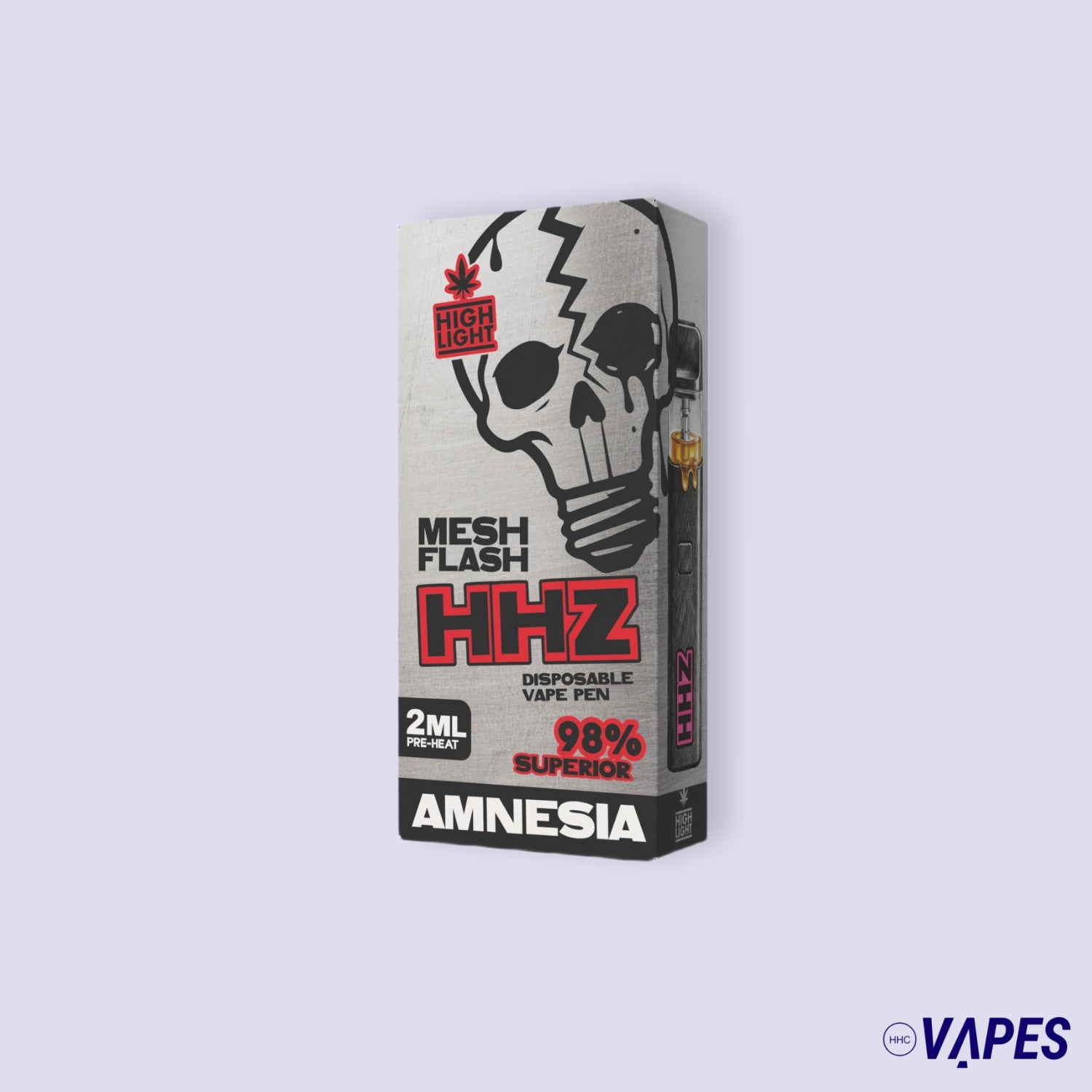
- If you want to try different cannabinoids, take a look at our HHZ Vapes category for innovative options before your return trip.
What to do if your vape is confiscated anyway?
Sometimes things go wrong despite all precautions. Maybe you overlooked a country's rules, or the security staff is particularly strict. If your vape is confiscated, arguing is usually pointless. Stay polite, ask for written confirmation of the confiscation, and accept the decision. Resistance only makes the situation worse and can lead to further consequences.
With cannabinoid-containing vapes, when in doubt you should rather skip taking them along, especially when traveling outside the EU. The financial loss of a vape is bearable – a criminal charge abroad can ruin your entire trip and have long-term consequences.
FAQ – Frequently asked questions about vapes at the airport
Can I take my vape in my carry-on?
Yes, your vape actually has to go in your carry-on. It's prohibited in checked luggage for safety reasons, as lithium-ion batteries would pose a fire risk there. It's best to pack the device in a separate small bag so you have it quickly to hand at the security check.
How many liquids am I allowed to take with me?
For liquids, the normal 100 ml rule for liquids in carry-on luggage applies. Each bottle may hold a maximum of 100 ml, and all liquids together must fit into a resealable, transparent 1-liter bag. In checked luggage, you can take additional liquids, but keep in mind possible leaks due to pressure differences.
What happens if I secretly vape on the plane?
That would be a very bad plan. The smoke detectors on planes reliably detect vape aerosol too. You face hefty fines, bans by airlines, and in the case of repeated or brazen violations, even criminal consequences. Just hold out for a few hours – it's not worth it.
Can I take HHC vapes on the plane?
Within the EU, taking them along is currently still permitted in many countries, although the legal situation regarding HHC and similar cannabinoids is constantly changing. Before trips outside the EU, you should urgently check the current regulations at your destination. In many countries, even small amounts can lead to serious legal problems.
Can I buy a vape at the airport?
That depends on the airport. Some duty-free areas carry disposable vapes or classic e-cigarettes, but the selection is usually limited and more expensive than in regular retail. We recommend getting your vape before your trip, so you get exactly the device and variety you want.
Do I have to place my vape separately at security?
At many airports, yes, similar to laptops and tablets. The regulation isn't uniform everywhere, but when in doubt, it's better to take it out than leave it hidden in your backpack. The security staff will usually point this out to you if it's necessary.
Conclusion: with the right preparation, no problem
Your vape doesn't have to be a stress factor when traveling. If you stick to the basic rules – batteries always in your carry-on, only vape in designated areas, and check the local legal situation when abroad – you'll generally get through security without any problems and can enjoy your vacation relaxed. The biggest pitfalls aren't actually the airports themselves, but the different regulations in the various destination countries.
Invest a few minutes in research before your trip, pack your equipment thoughtfully, and be cooperative with the staff – then nothing stands in the way of a relaxed trip. And if you still need the right travel setup, feel free to take a look at our shop and find the perfect vape for on the go.


Leave a comment
All comments are moderated before being published.
This site is protected by hCaptcha and the hCaptcha Privacy Policy and Terms of Service apply.