



Table of contents
- HHZ vs. THCA – What's the Difference?
- What Is HHZ? An Overview
- What Is THCA? An Overview
- HHZ vs. THCA – The Direct Comparison
- Which One Is Right for You?
- Legal Classification in Germany
- HHZ Compared to Other Cannabinoids
- Recognizing Quality: What to Look for When Buying
- Frequently Asked Questions (FAQ)
- Conclusion: HHZ vs. THCA – Two Cannabinoids, Two Worlds
HHZ vs. THCA – What's the Difference?
The world of cannabinoids is becoming increasingly diverse. Alongside well-known substances like THC or CBD, new names keep emerging – and two of them are currently generating a lot of buzz: HHZ and THCA. But what's behind these abbreviations? How do these two cannabinoids differ, and which one is the better fit for you? In this article, we answer all the important questions about the HHZ vs. THCA comparison – factual, easy to understand, and without the hype.
What Is HHZ? An Overview
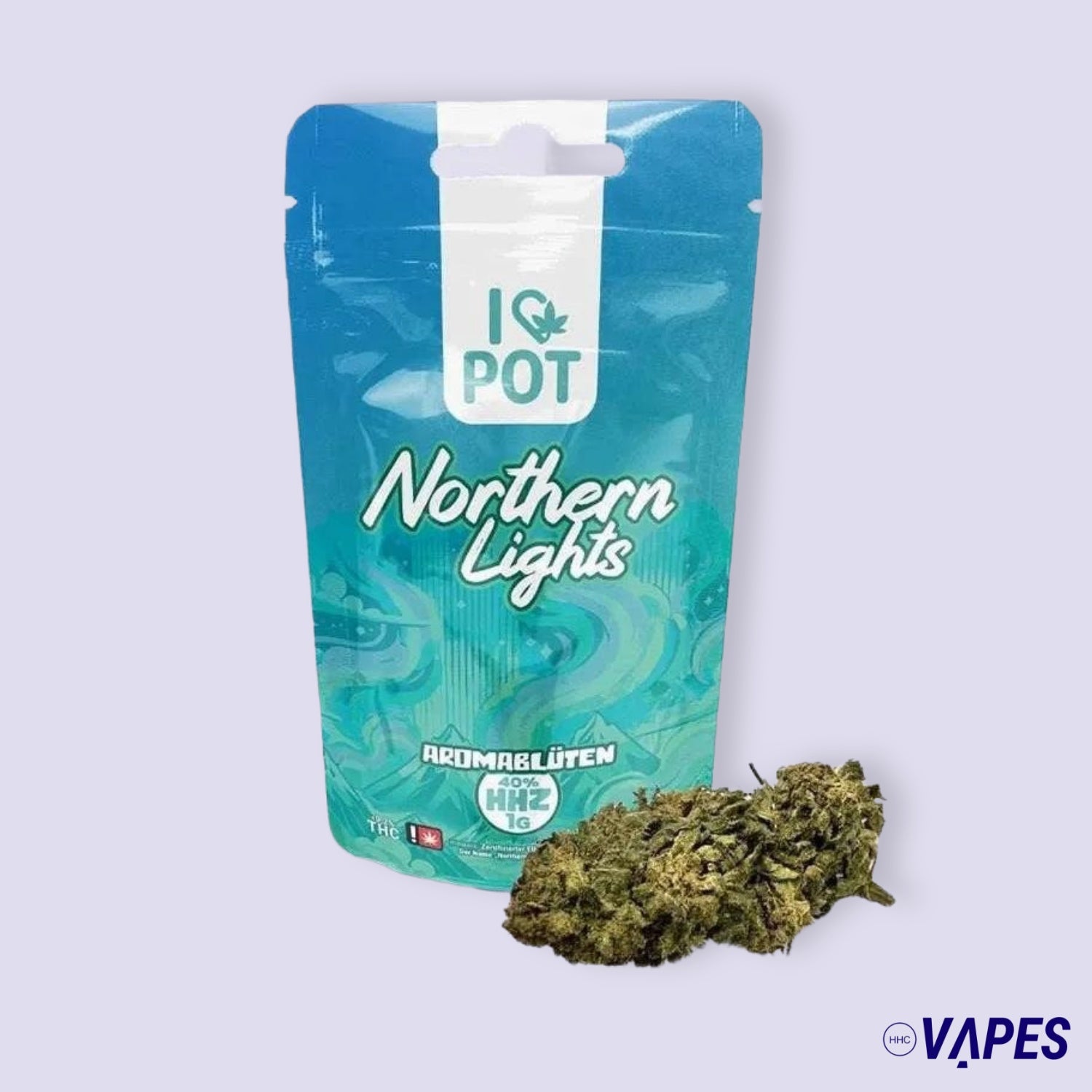
HHZ (Hexahydrocannabizarin) is a semi-synthetic cannabinoid that belongs to the family of hydrogenated cannabinoids. Structurally, it is closely related to HHC but differs through a shorter side chain on the molecule. This small chemical modification has noticeable effects on how it works.
Key Properties of HHZ
- Production: HHZ is typically obtained through hydrogenation of plant-based precursors – a chemical process in which hydrogen atoms are added to the molecule.
- Effect Profile: Users frequently report a clear, focused effect that is less sedating than classic THC variants.
- Stability: Due to hydrogenation, HHZ is considered particularly stable against light, heat, and oxidation – an advantage for product shelf life.
- Duration: The duration of effects is described by many users as moderate, typically shorter than HHC but more intense in onset.
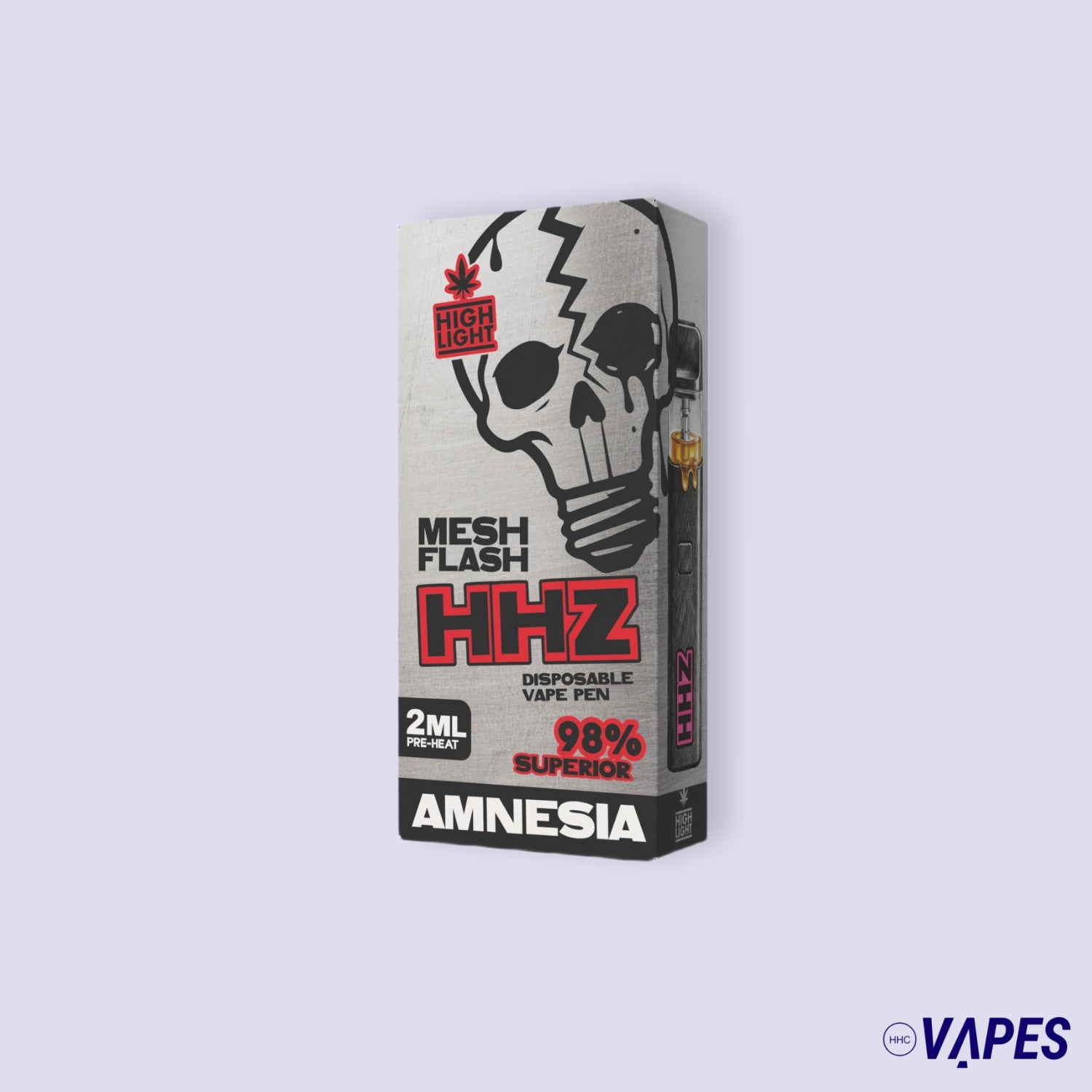
If you'd like to try HHZ for yourself, you'll find a selection of high-quality products in our HHZ Vapes Collection.
What Is THCA? An Overview
THCA (Tetrahydrocannabinolic Acid) is the natural precursor to THC and is found in high concentrations in raw, unprocessed cannabis. The key point: THCA in its raw form is not psychoactive. Only through heating – for example when vaping or smoking – is THCA converted into psychoactive Delta-9-THC. This process is called decarboxylation.
Key Properties of THCA
- Origin: THCA is a completely natural cannabinoid that is produced directly in the cannabis plant.
- Effect Profile (raw): In its unheated form, THCA has no intoxicating effects. However, it is being studied in research for anti-inflammatory and neuroprotective properties.
- Effect Profile (heated): Through decarboxylation, Delta-9-THC is produced – arguably the most well-known psychoactive cannabinoid with the classic cannabis effect.
- Legality: The legal classification of THCA is complex and varies greatly depending on the country and region. In many jurisdictions, THCA is treated as a THC precursor.
HHZ vs. THCA – The Direct Comparison
Now it gets interesting: How exactly do HHZ and THCA differ? We've compared the most important criteria for you.
Chemical Structure
The most fundamental difference between HHZ and THCA lies in their molecular structure. HHZ is a hydrogenated cannabinoid with saturated carbon bonds and a shortened side chain. THCA, on the other hand, has the classic THC base structure with an additional carboxyl group (-COOH) that is cleaved off when heated. These structural differences explain why the two substances behave so differently.
Psychoactivity
This is one of the most striking differences in the THCA comparison: HHZ is already psychoactive in its base form and takes effect directly after consumption. THCA, by contrast, must first be converted into THC through heat before any psychoactive effect occurs. So when you vape a THCA product, you are essentially consuming Delta-9-THC.
Onset and Duration of Effects
When vaping, the effects of both substances kick in relatively quickly – usually within a few minutes. The HHZ THCA difference shows in the quality of the experience: HHZ is often described as clearer and more focused, while THCA (after conversion to THC) produces the typical, broader cannabis effect. The duration of HHZ effects tends to be shorter.
Stability and Shelf Life
Due to hydrogenation, HHZ is chemically much more stable than THCA. THCA can partially decarboxylate into THC already within the product if stored improperly – for instance through warmth or light – which alters the composition and effects. HHZ products retain their properties over longer periods, making them particularly attractive for the vape sector.
Natural vs. Semi-Synthetic
THCA is a completely natural cannabinoid that is extracted directly from the plant without chemical post-processing. HHZ, on the other hand, is semi-synthetically produced. This means: the starting materials come from the plant, but the final step – hydrogenation – takes place in a laboratory. For some users, naturalness is a decisive criterion, while others appreciate the higher purity and consistency of lab-based processes.
Which One Is Right for You?
Whether HHZ or THCA is the better fit for you depends on your personal preferences and expectations. Here's a guide to help you decide:
HHZ might be right for you if you:
- Prefer a clear, focused effect
- Value product stability and long shelf life
- Already have experience with hydrogenated cannabinoids like HHC
- Are looking for a shorter, more controlled experience
THCA might be right for you if you:
- Appreciate the classic THC effect
- Prefer natural cannabinoids
- Are also interested in the non-psychoactive raw form
- Are already familiar with THC-based products
Regardless of what you choose: quality should always come first. In our Vape Collection you'll find lab-tested products that meet the highest standards.
Legal Classification in Germany
The legal situation surrounding cannabinoids in Germany is evolving. Since the Cannabis Act (CanG) came into effect in April 2024, much has changed, but not everything is clearly regulated.
THCA is treated in most interpretations as a THC precursor and therefore falls under the regulations of the CanG. Since THCA converts to Delta-9-THC when heated, its legal treatment is closely tied to THC legislation.
HHZ currently exists in a legal gray area, as it is not explicitly listed in the schedules of the Narcotics Act or the New Psychoactive Substances Act (NpSG). However, the legal classification can change at any time. Therefore, always check the current status before purchasing or consuming a product.
HHZ Compared to Other Cannabinoids
The HHZ THCA difference is just one of many fascinating comparisons in the world of modern cannabinoids. HHZ is also frequently compared to 10-OH-HHC – another hydrogenated cannabinoid that has been getting a lot of attention recently. If you're interested in that comparison as well, we recommend our detailed article: The Ultimate Vape Comparison: HHZ vs. 10-OH-HHC – Which Is Better?
In general: every cannabinoid has its own profile. It's worth exploring different options to find out what best suits your personal needs. Our Superior Vape Collection offers you a curated selection of premium products for discerning users.
Recognizing Quality: What to Look for When Buying
Whether HHZ or THCA – product quality is crucial for a safe and enjoyable experience. Here are the most important points you should consider:
- Lab Analyses: Reputable suppliers publish independent lab reports (Certificates of Analysis) that confirm purity, cannabinoid content, and the absence of contaminants.
- Transparent Ingredients: You should always know exactly what's in your product. Avoid products without clear labeling.
- Supplier Reputation: Look for customer reviews, transparent communication, and a professional presence.
- Hardware Quality: With vapes, it's not just the liquid that matters – the vaporizer technology also affects the experience and safety.
Frequently Asked Questions (FAQ)
Is HHZ stronger than THCA?
Strength cannot be compared in general terms, since THCA in its raw form is not psychoactive. When THCA is heated and converted to THC, the effect can be more intense than HHZ depending on the concentration. HHZ, on the other hand, offers a distinct effect profile that is often described as clearer. The HHZ THCA difference lies less in "strength" and more in the type of effect.
Can you consume HHZ and THCA together?
In theory, a combination is possible, but there is very little scientific data on the interaction between the two substances so far. If you have little experience, we recommend getting to know each cannabinoid individually and at a low dose before considering combinations.
Is THCA legal in Germany?
The legal classification of THCA is complex. Since THCA converts to Delta-9-THC when heated, in practice it is often subject to the same regulations as THC itself. Legislation continues to evolve – so always stay informed about the current status in your state.
Which cannabinoid is better suited for beginners?
For beginners, HHZ can be an interesting option, as the effect is often described as clearer and shorter. As a general rule: always start with a low dose and increase gradually. High-quality products with clear dosage information are especially important.
How should I store HHZ and THCA products?
Both product types should be stored in a cool, dry place and protected from light. THCA products are particularly sensitive to heat, as this can trigger unwanted decarboxylation. HHZ products are somewhat more tolerant thanks to their hydrogenated structure but also benefit from proper storage.
Conclusion: HHZ vs. THCA – Two Cannabinoids, Two Worlds
The HHZ vs. THCA comparison makes it clear: although both substances belong to the large family of cannabinoids, their profiles could hardly be more different. HHZ scores with stability, a clear effect profile, and suitability for the vape sector. THCA impresses with its natural origin and its closeness to the classic THC experience after decarboxylation.
Which cannabinoid is right for you depends on your personal preferences, experience, and expectations. In any case, it's important to prioritize quality and transparency – and to regularly stay informed about the current legal situation.


Leave a comment
All comments are moderated before being published.
This site is protected by hCaptcha and the hCaptcha Privacy Policy and Terms of Service apply.