

Table of contents
- HHC ban in Germany: why HHC Vapes was banned
- Is possession of HHC Vapes a criminal offense?
- What side effects of HHC Vapes have been documented?
- HHC ban in Austria and Europe: how neighboring countries regulate it
- Legal HHC alternative: which successors are available today
- How do you spot trustworthy providers of legal Vapes?
- Conclusion: trading is prohibited, not knowledge
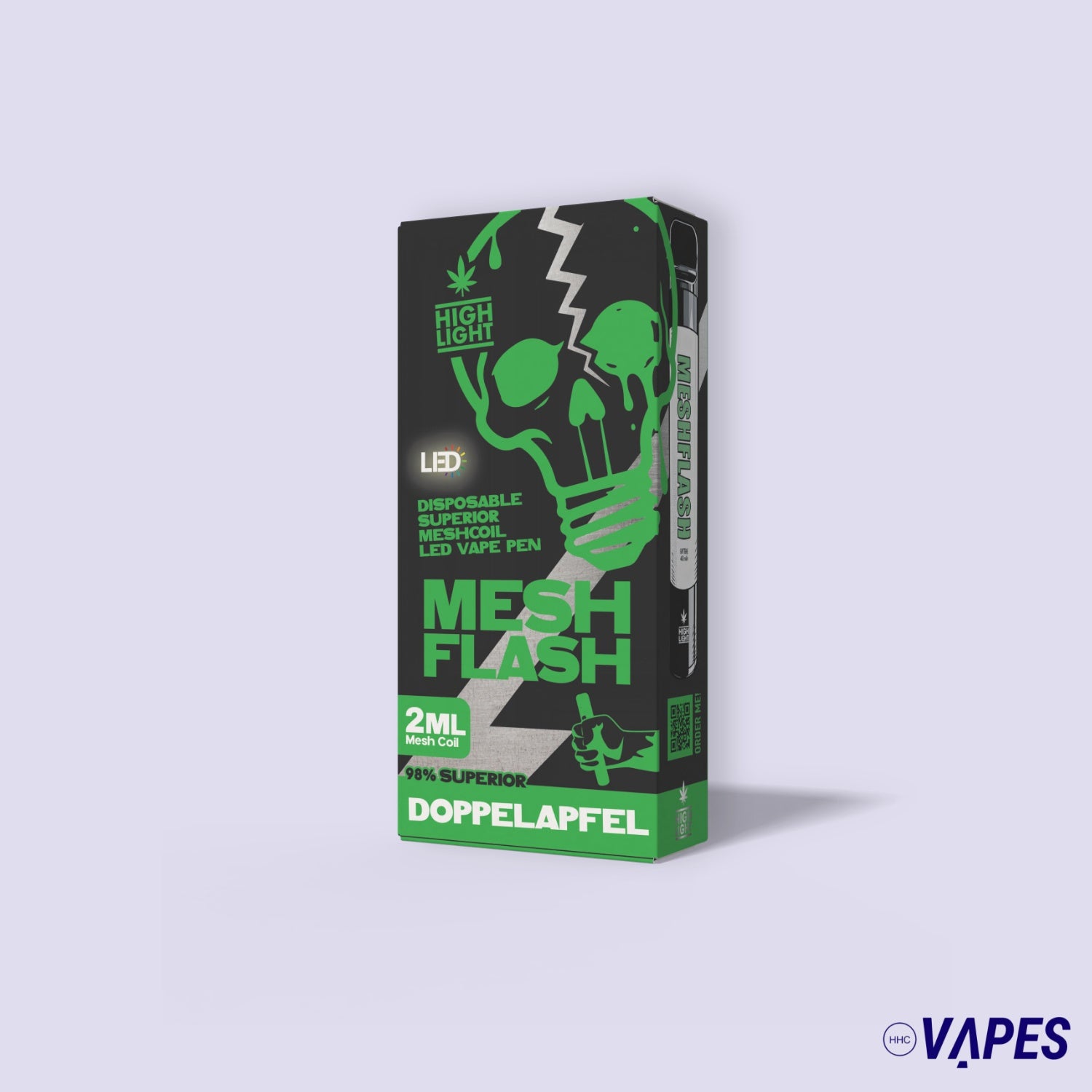
HHC Vapes has officially not been available for purchase in Germany since June 2024. Hexahydrocannabinol has been listed in the New Psychoactive Substances Act since then, making production, trade, and import a criminal offense. Still, the situation is more complicated than the headlines suggest. Possession and use remain legal, and the market has reorganized itself. This article explains exactly what was banned, what could actually happen to you as a buyer, and which cannabinoids are legally available today.
HHC ban in Germany: why HHC Vapes was banned
The short answer: health protection and a law that finally applies.
HHC is a semi-synthetic cannabinoid, chemically similar to THC. After the cannabis boom starting in 2022, HHC was mainly sold in disposable Vapes, often from vending machines and without age checks. The Federal Institute for Risk Assessment warned early on that psychoactive effects could be expected with use, while reliable safety studies were lacking.
The lawmakers responded with the fifth regulation amending the NpSG schedule, effective since the end of June 2024. It covers HHC and related substances like HHC-P, HHC-AC, and THCP. The key is the law’s technique: the NpSG uses substance group definitions instead of individual substance names. Entire chemical families are covered at once, including future variants that don’t even exist yet. That’s exactly why not only HHC Vapes disappeared from shops in summer 2024, but also THCP products and HHC hashish.
The most important milestones at a glance:
| Time | Event | Impact on the market |
|---|---|---|
| from 2022 | HHC boom in Germany, sales in shops and vending machines | Disposable Vapes become a mass product |
| March 2023 | Austria classifies HHC as a New Psychoactive Substance via NPSV amendment | Sales ban in Austria, including remaining stock |
| June 2024 | Germany: fifth regulation amending the NpSG schedule comes into effect | Production, trade, and import of HHC, HHC-P, HHC-AC, and THCP are criminal offenses |
| March 2025 | UN Commission on Narcotic Drugs decides on international control of HHC | Worldwide classification in Schedule II of the Convention on Psychotropic Substances |
| December 2025 | UN decision comes into effect | HHC is internationally controlled, a return to the legal market is excluded |
Is possession of HHC Vapes a criminal offense?
No. And this point is almost always reported incorrectly.
The NpSG makes production, trade, distribution, as well as import and export criminal offenses. Mere possession and use are not punishable. If you still have an old HHC Vape in your drawer, you’re not committing a crime. But if you sell it or even just give it away, you are: even giving it away for free legally counts as distribution.
| Action | Legal status under NpSG |
|---|---|
| Possession of an old HHC Vape | not a criminal offense |
| Use | not a criminal offense, but risk for your driver’s license in road traffic |
| Sale, even privately or second-hand | criminal offense |
| Giving away or passing on | criminal offense (counts as distribution) |
| Ordering from abroad (import) | criminal offense |
| Production | criminal offense |
The situation is clear for shops. Since June 2024, no HHC may be offered in Germany, and reputable retailers have adjusted their product ranges accordingly. Offers that still promise "real HHC" today are either operating from abroad, bypassing German law, or are simply mislabeling. Both are good reasons to stay away.
What side effects of HHC Vapes have been documented?
The main reason for the ban was not the effect itself, but the lack of data: there are still no controlled studies in humans. What does exist are assessments by the Federal Institute for Risk Assessment and case reports from poison control centers during the sales period. The same complaints kept coming up:
- Rapid heartbeat and circulatory problems, even collapse
- Nausea and vomiting, especially at high doses
- Anxiety and panic attacks
- Dizziness and impaired consciousness
- Severe fatigue and memory gaps the next day
There was also a product issue unrelated to the substance itself: in test purchases, the actual HHC content of disposable Vapes varied greatly, and no one checked the production. If you got a Vape from a vending machine, you simply didn’t know what you were inhaling. This combination of unknown substance and uncontrolled product is exactly what prompted lawmakers to act.
HHC ban in Austria and Europe: how neighboring countries regulate it
Germany was not early with the ban, but late. A look across the borders puts the situation in perspective.
Austria already included HHC in March 2023 through an amendment to the New Psychoactive Substances Regulation (NPSV), more than a year before Germany. Sales have been banned since then, explicitly including remaining stock. Possession and use remain legal, just like in Germany.
The Netherlands are a special case: HHC is still not listed in the Opium Act there. Still, it’s not freely available legally, because without approval, HHC may not be added to food or e-Liquids. The result is a gray area, not a free pass.
Internationally, the question has been settled since December 2025: with its inclusion in Schedule II of the UN Convention on Psychotropic Substances, all signatory states are required to control HHC. If you were hoping HHC would come back someday, you can let go of that hope. The direction is the same in every country.
Legal HHC alternative: which successors are available today
The market has produced several successors after the ban. Most have disappeared again. Two categories have prevailed.
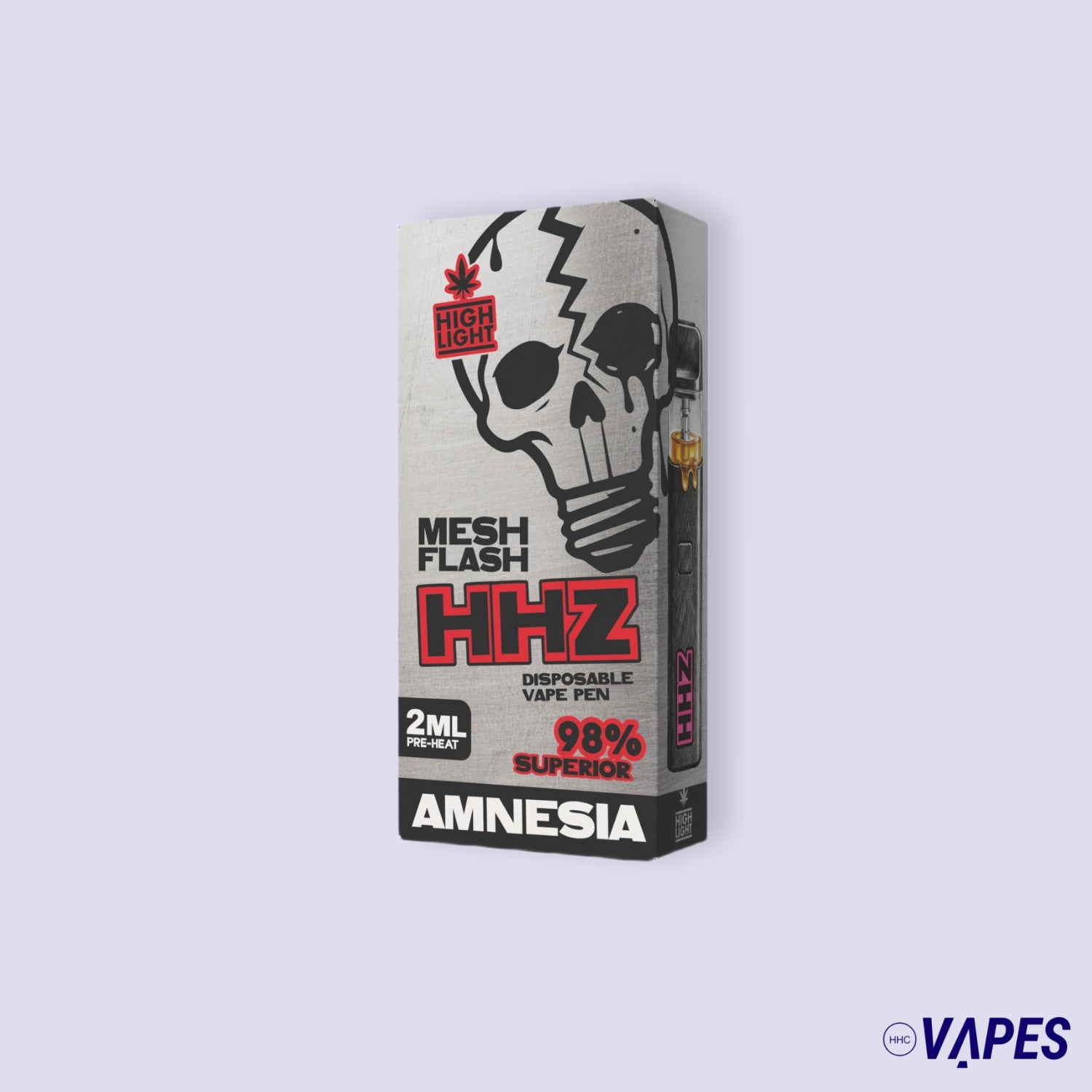
HHZ (Hexahydrocannabizinol) is the most established successor. Unlike HHC, HHZ is produced by hydrogenating CBD that comes from EU-certified industrial hemp. According to current law, it does not fall under the BtMG or the substance groups of the NpSG. Important to note: HHZ is not "legal HHC," but its own compound with its own characteristics. You can find a detailed explanation in the article on HHZ and the legal situation when buying in Germany.
Blend lines like H2 and H3 combine several legal cannabinoids with strain terpenes in a Pen. Exactly what's in a blend belongs in the lab report for each batch, not in an ad text. We explain how to read such a report step by step in the COA Guide.
Honesty means including a warning: The successor market is still changing. The NpSG can be expanded by regulation without a new vote in the Bundestag. What is legal today could be listed tomorrow. Serious providers keep an eye on this and remove products from the market before they become a problem.
How do you spot trustworthy providers of legal Vapes?
Three things set reputable shops apart from grey market offers, and none of them are a matter of taste.
First: a lab report for each batch, publicly available, showing a THC value of 0.0 percent. Not just "lab tested" as a claim in a banner, but a real COA with a batch number that matches your product.
Second: a clear declaration of ingredients. If a provider can't or won't say which cannabinoid is in the Pen and in what concentration, that's not discretion—it's a warning sign.
Third: age verification and an imprint in the EU. Anyone selling to minors or hiding behind a mailbox address overseas will disappear with your money, even if the product was harmless.
Conclusion: trading is prohibited, not knowledge
HHC Vapes have disappeared from the German market, and that won't change. The demand is still there and has shifted to legal successors like HHZ. If you're buying today, you should pay less attention to familiar three-letter names and more to what you can actually check: lab report, declaration, provider. You can find all legal cannabinoids and their classification in the overview of legal cannabinoids in Germany.