



Table of contents
- Full Spectrum vs. Isolate vs. Broad Spectrum: The Ultimate Guide to Cannabinoid Extracts
- The Basics: What's Actually in a Cannabinoid Extract?
- Full Spectrum Extract: The Whole Plant in a Bottle
- Broad Spectrum: The Middle Ground Without THC
- Isolate: Maximum Purity, Zero Frills
- Direct Comparison: Which Extract for Which Purpose?
- Cannabinoid Extracts in Modern Vapes
- What to Look for When Buying Cannabinoid Extracts
- Conclusion: There Is No Single Best Extract
- Frequently Asked Questions (FAQ)
Full Spectrum vs. Isolate vs. Broad Spectrum: The Ultimate Guide to Cannabinoid Extracts
If you're getting into cannabinoids, sooner or later you'll stumble across three terms that keep popping up: Full Spectrum, Broad Spectrum, and Isolate. At first glance, they sound like pure marketing buzzwords, but they actually describe fundamentally different extraction philosophies that have an enormous influence on effect, taste, and application. Whether you're a beginner or have been gathering experience with HHC, CBD, or other cannabinoids for a while – understanding these three categories will help you make more informed decisions.
In this article, we clear up myths, explain the scientific background, and show you which form of cannabinoid extract suits which purpose. You'll learn what the famous entourage effect really means, why some consumers swear by isolates, and why others would never use anything other than Full Spectrum. Buckle up – this is going to be informative.
The Basics: What's Actually in a Cannabinoid Extract?
Before we dive deep into the differences, it's worth taking a quick look at what the cannabis plant actually has to offer. The hemp plant produces over 500 chemical compounds, of which at least 140 are cannabinoids. The best known are THC, CBD, and by now also HHC, HHC-P, THCP, and other semi-synthetic relatives. But that's far from all.
Additionally, the plant contains:
- Terpenes: Aromatic compounds responsible for smell and taste (e.g., myrcene, limonene, pinene, caryophyllene)
- Flavonoids: Plant pigments, some with antioxidant properties
- Fatty acids and waxes: Plant lipids
- Chlorophyll: The green plant pigment
It's precisely this varying composition of the end products that makes the decisive difference in whether you end up with a Full Spectrum, Broad Spectrum, or an Isolate in your hand.
Full Spectrum Extract: The Whole Plant in a Bottle
A Full Spectrum extract contains – as the name suggests – the full spectrum of compounds that occur naturally in the hemp plant. This means: all cannabinoids (including traces of THC), all terpenes, flavonoids, and secondary plant compounds are preserved in the extract. It's essentially the most natural form you can get.
The Entourage Effect: Why the Whole Is More Than the Sum of Its Parts
Probably the most important term in connection with Full Spectrum is the so-called entourage effect. This thesis was coined in 1998 by Israeli researcher Raphael Mechoulam and his team. It states that cannabinoids work more strongly and in a more nuanced way in combination with terpenes and other plant compounds than as isolated individual substances.
One example: The terpene myrcene has a calming effect, whereas limonene is more stimulating. Combined with various cannabinoids, individual effect profiles emerge that you would never achieve with a pure isolate. Even though research has not yet fully unraveled all the mechanisms, there are strong indications that this synergy is real.
Advantages and Disadvantages of Full Spectrum
Advantages:
- Maximum entourage effect through the interplay of all plant compounds
- Authentic, herbaceous plant aroma
- Complex effect profile with depth
- Least processing – closest to nature
Disadvantages:
- Contains traces of THC (in legal products under 0.3% or according to the respective legal situation)
- Intense distinctive taste that's not for everyone
- Can test positive on drug tests
- Subject to natural variation depending on the batch
Broad Spectrum: The Middle Ground Without THC
Broad Spectrum is essentially the diplomatic compromise between Full Spectrum and Isolate. The product contains a broad spectrum of cannabinoids, terpenes, and flavonoids – with one crucial exception: THC is specifically removed. So you get the benefits of the entourage effect without having to worry about psychoactive residual amounts or drug tests.
How Is THC Removed?
The removal of THC is typically done through chromatographic procedures or special distillation processes. The goal is to leave the cannabinoid profile as intact as possible while filtering out the unwanted compound. High-quality manufacturers can thus achieve THC levels below the detection limit without compromising the remaining profile.
Who Is Broad Spectrum Suitable For?
Broad Spectrum is ideal if you:
- Are regularly tested professionally or athletically
- Still don't want to give up terpenes and synergistic effects
- Are looking for a middle ground between purity and complexity
- Prefer a milder taste than Full Spectrum
The downside: Since THC is an important player in the entourage concert, the synergy effect is somewhat weaker than with a true Full Spectrum product. Nevertheless, Broad Spectrum remains an excellent choice for anyone who wants the best of both worlds.
Isolate: Maximum Purity, Zero Frills
At the other end of the spectrum stands the isolate. Here, a single cannabinoid – such as CBD, HHC, or THC – is extracted in its pure form from the plant material. The end product is usually a white, crystalline powder with a purity of 99% or higher. No terpenes, no flavonoids, no distinctive taste – just the pure cannabinoid.
How Is an Isolate Made?
Production takes place in several steps: First, a raw extract is obtained (often through CO2 or ethanol extraction). This then goes through winterization, distillation, and crystallization processes, in which all other plant compounds are gradually removed. What remains is the pure molecule. This high purity makes isolates particularly interesting for further processing in products where exact dosing and taste neutrality are required.
The Benefits of an Isolate
- Precise dosing: You know exactly how much active ingredient you're consuming
- No distinctive taste: Perfect for blends with flavors or liquids
- Zero THC: With CBD or HHC isolates, no risk during drug tests (as long as it's a pure isolate)
- Long shelf life: Stable and easy to store
- Versatile: Can be processed in almost all applications
Where Isolates Reach Their Limits
The biggest criticism: No entourage effect. You forgo all the synergistic effects of other plant compounds. Some consumers report that the effect seems "flatter" or less balanced compared to Full Spectrum. In addition, due to the heavy processing, some authenticity is naturally lost – anyone looking for the full plant experience won't find it in isolates.
Direct Comparison: Which Extract for Which Purpose?
To help you keep track, here's a compact overview of the most important differences:
- Full Spectrum: Maximum complexity, all cannabinoids including traces of THC, strong entourage effect, intense aroma
- Broad Spectrum: Complex profile without THC, moderate entourage effect, milder in taste
- Isolate: A single cannabinoid in highest purity, neutral taste, precise dosing, no entourage effect
Which variant you choose depends heavily on your personal preferences and goals. Those seeking the full plant experience reach for Full Spectrum. Those who want maximum purity and clarity stick with the isolate. And those taking the middle path are well served by Broad Spectrum.
Cannabinoid Extracts in Modern Vapes
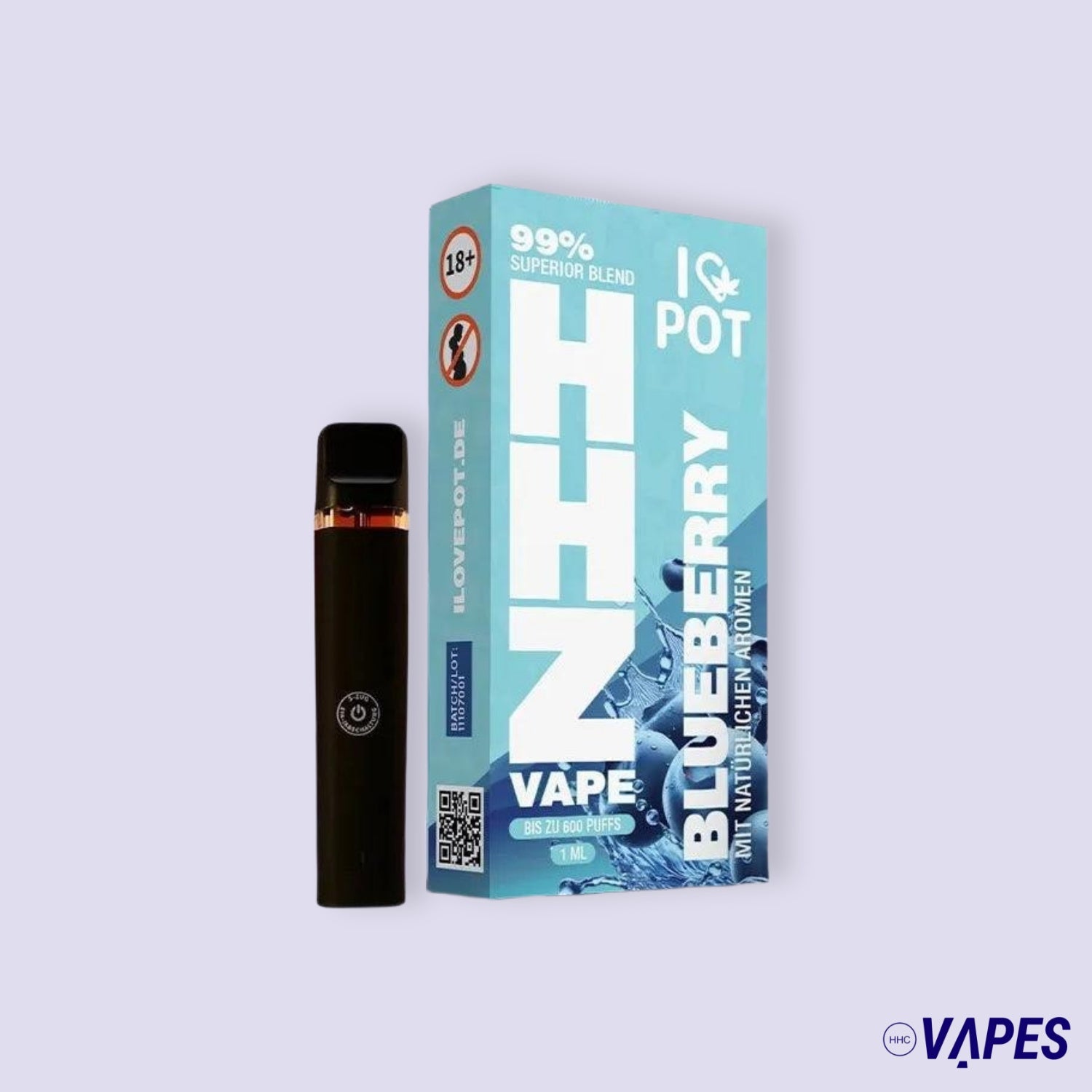
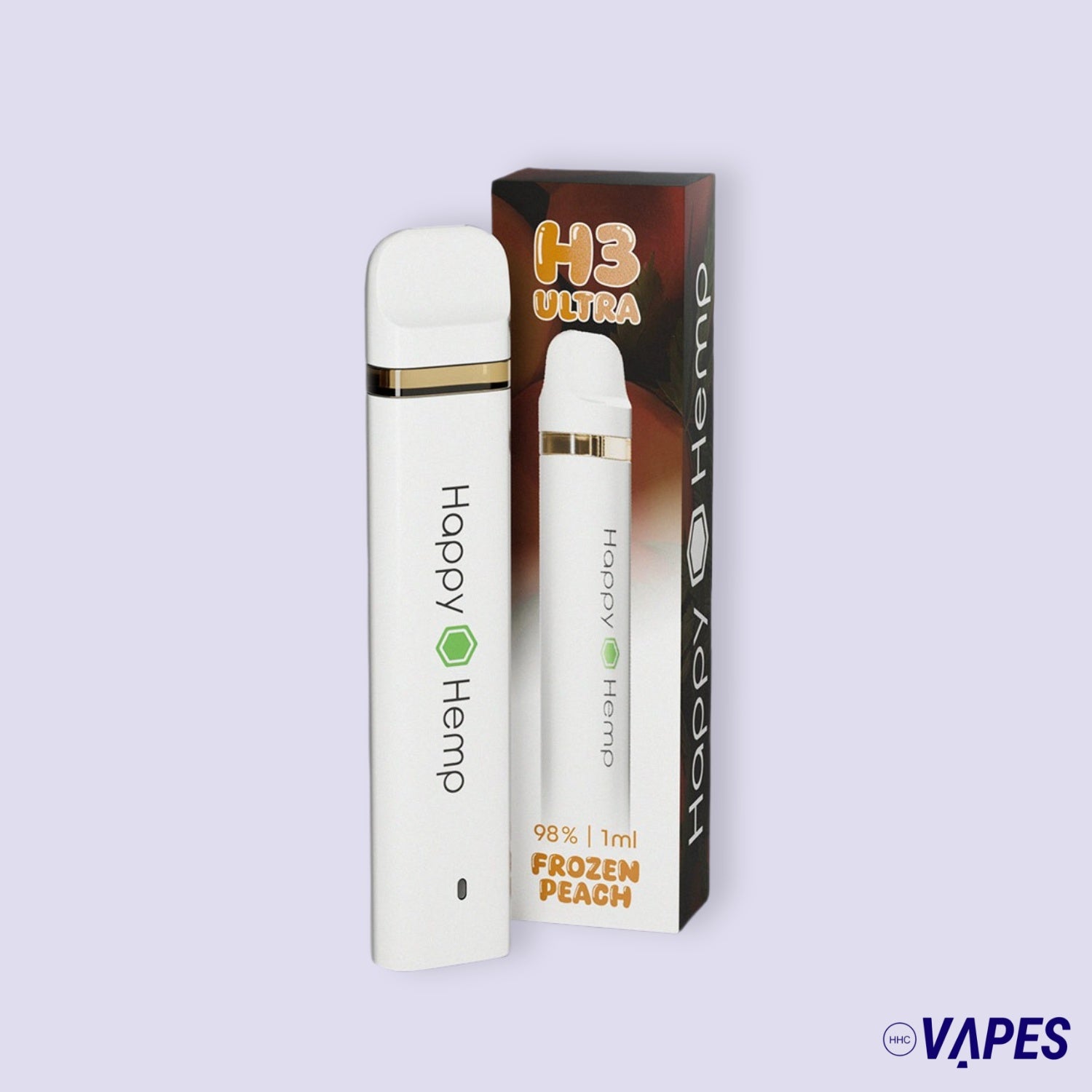
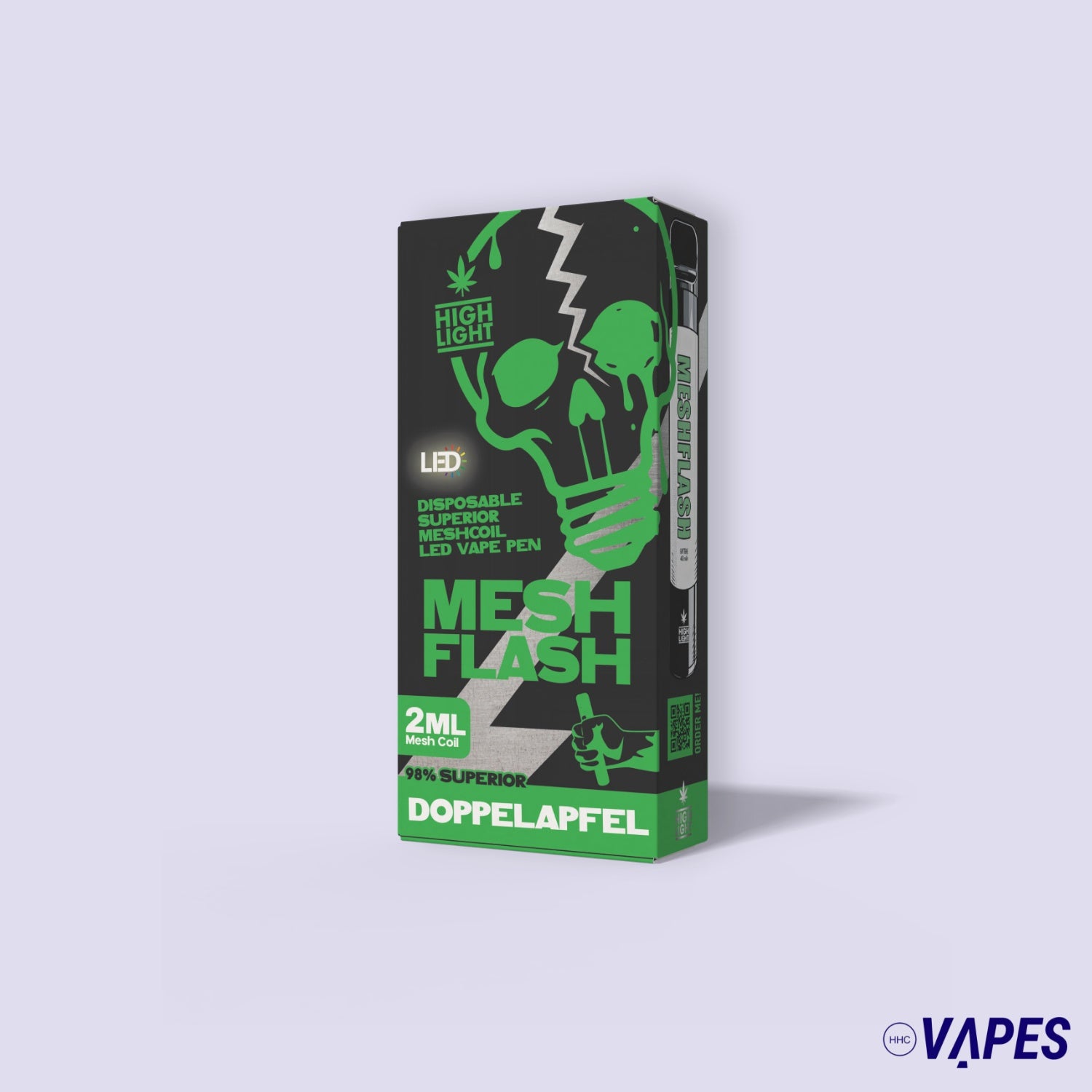
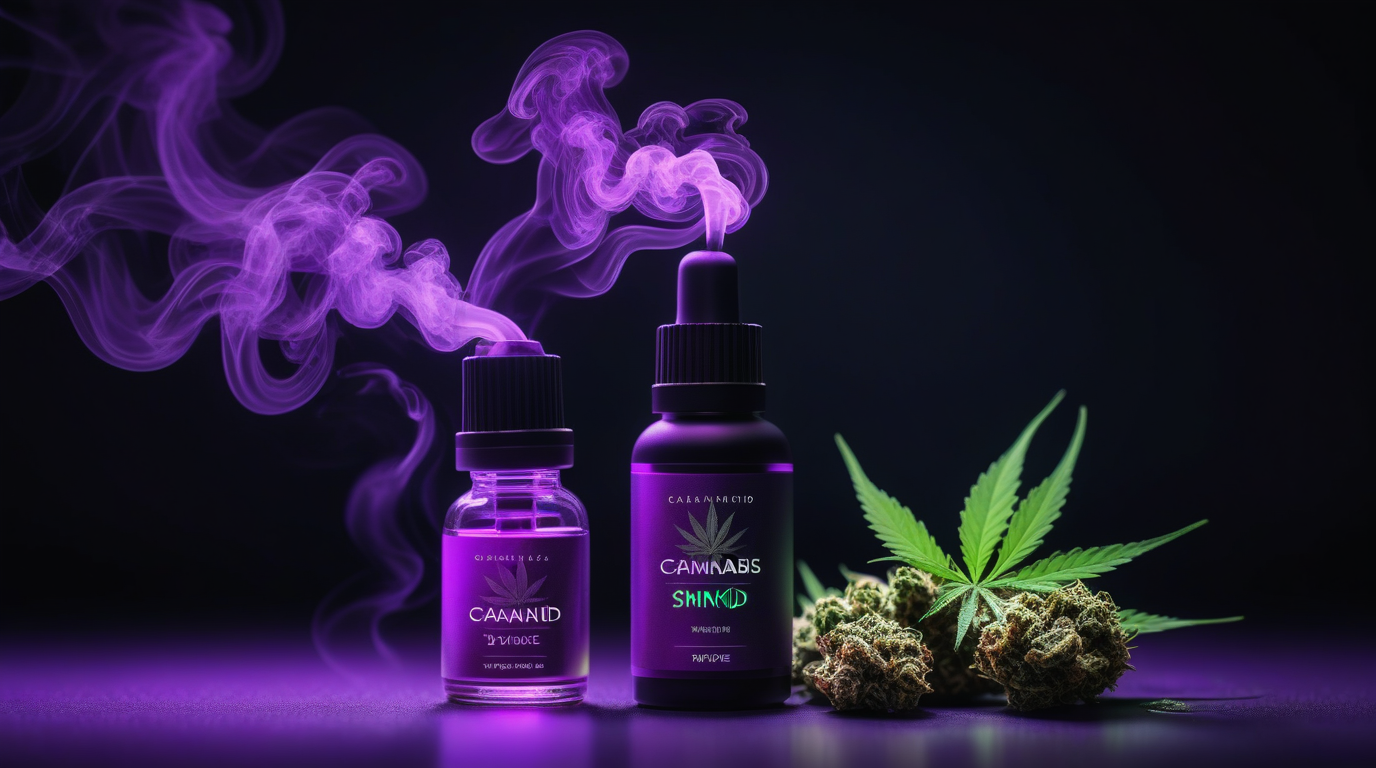
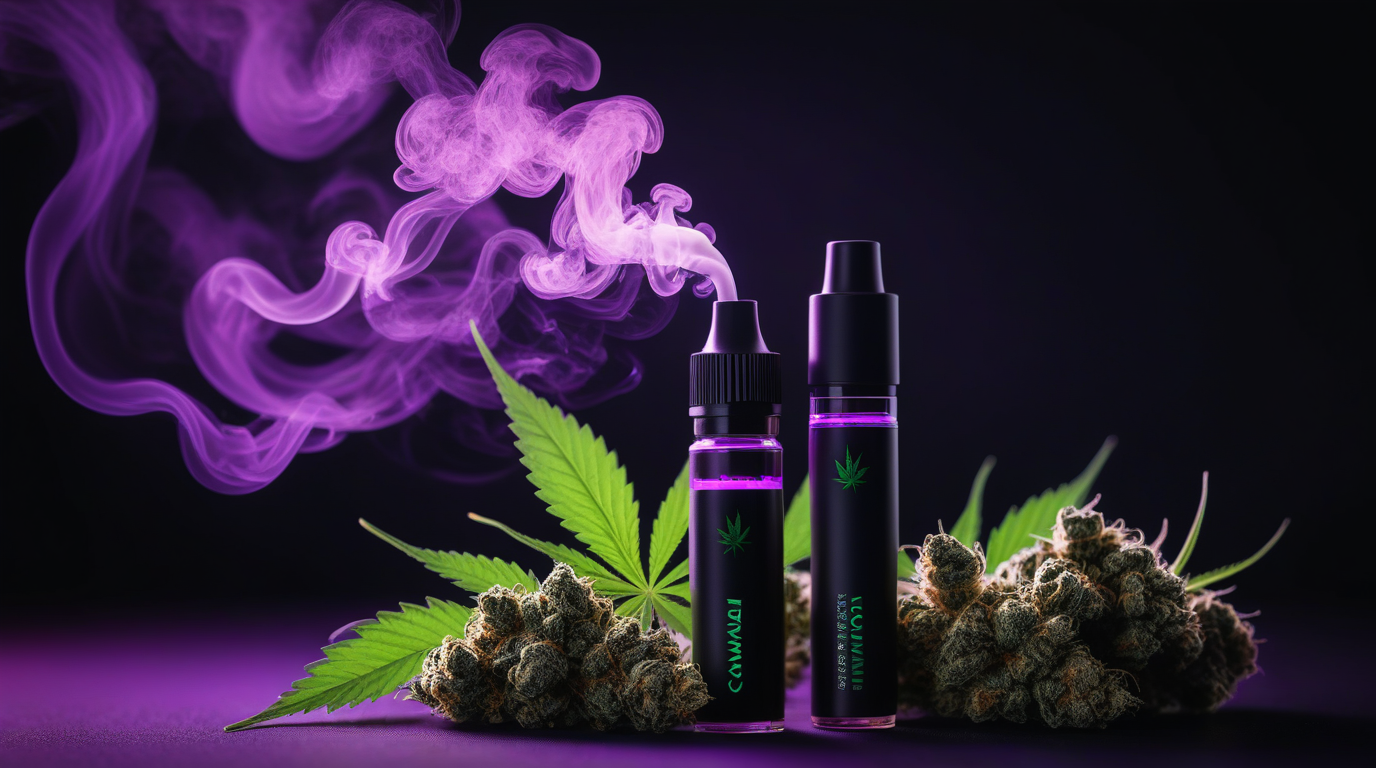
In the world of vapes, all three extract types play a role. High-quality liquids and cartridges use either pure distillates (often close to Broad Spectrum), Full Spectrum extracts with a terpene-rich profile, or highly concentrated isolates that are "re-enriched" with botanical terpenes. Each variant has its raison d'être – and its own taste and effect profile.
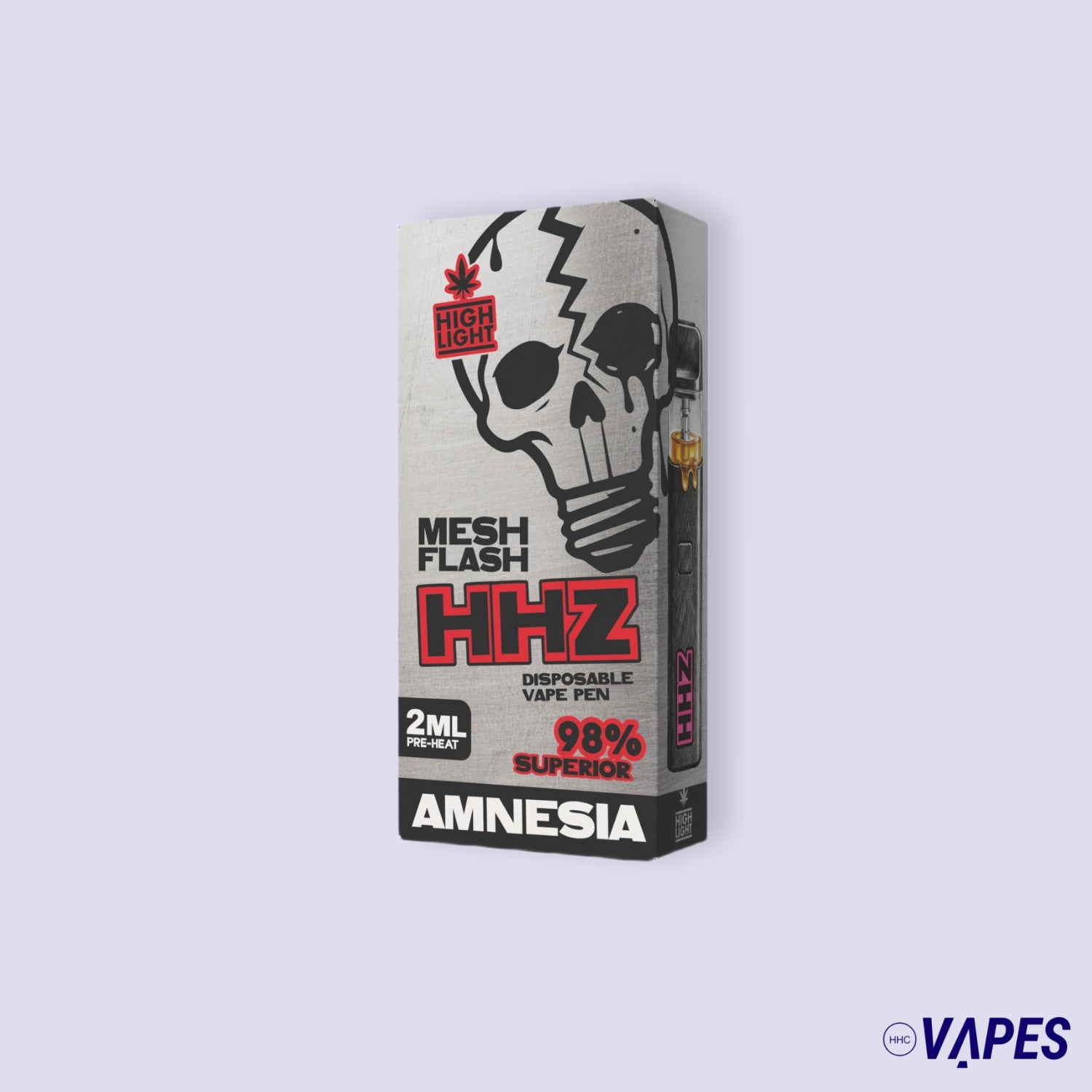
If you're looking for a high-quality selection, it's worth taking a look at our curated product range. In our Vapes category, you'll find a wide range of cannabinoid products for every taste. Those who like it particularly potent and premium should check out the Superior Vapes – here, selected extracts with especially clean profiles are often used. And for anyone who wants to explore the newer cannabinoid HHC-P, a visit to the HHZ Vapes is worthwhile.
By the way: If you're still torn between classic consumption forms and modern vapes, we recommend our detailed comparison Vaporizer vs. Joints – The Ultimate Comparison. There you'll learn why vapes are not only more discreet but often more flavorful and more efficient as well.
What to Look for When Buying Cannabinoid Extracts
Regardless of which extract profile you choose – quality stands and falls with the manufacturer. So pay attention to the following points:
- Lab analyses (COA): Reputable providers publish third-party tests that verify cannabinoid content, purity, and freedom from contaminants
- Extraction method: CO2 or ethanol extraction are considered particularly clean
- Source of raw materials: EU-certified industrial hemp usually offers the highest safety
- Transparent ingredients: No additives such as vitamin E acetate, MCT oil in too high a concentration, or undeclared diluents
- Clear designation: Is it clearly stated what it is – Full Spectrum, Broad Spectrum, or Isolate?
A cheap bargain from shady sources can not only mean a bad experience but can also pose health risks. Trust is everything here.
Conclusion: There Is No Single Best Extract
The discussion "Full Spectrum vs. Isolate vs. Broad Spectrum" has no single winner – it has three. Each of these extract forms serves a specific purpose and addresses different needs. Full Spectrum impresses with depth and natural complexity. Broad Spectrum offers synergy without THC. Isolates score with purity and precision.
Ultimately, the choice is a personal decision based on your goals, your lifestyle, and your tolerance. Try things out, inform yourself thoroughly, and rely on reputable sources. Then you'll find exactly the product that suits you.
Frequently Asked Questions (FAQ)
What is the main difference between Full Spectrum and Broad Spectrum?
The decisive difference lies in the THC content. Full Spectrum contains the complete cannabinoid profile of the plant including traces of THC (typically under 0.3% in legal products). Broad Spectrum goes through an additional processing step in which THC is specifically removed, while other cannabinoids and terpenes are preserved.
Does an isolate work worse than Full Spectrum?
"Worse" is relative. An isolate contains only a single cannabinoid, which is why the so-called entourage effect is absent. Many consumers describe the effect as "clearer" but less nuanced. Those who value the complex interplay of plant compounds are usually better served with Full or Broad Spectrum. For other applications, such as when a neutral taste is required, isolates are the better choice.
Can I test positive on a drug test with a Full Spectrum product?
Theoretically, yes. Even if the THC content is very low, the substance can accumulate in the body with regular consumption and, in rare cases, cause a positive test. Those who are tested professionally or athletically should therefore rather opt for Broad Spectrum or a pure isolate.
What is the entourage effect explained simply?
The entourage effect describes the assumption that cannabinoids, terpenes, and other plant compounds work more strongly and in a more balanced way together than individually. Think of it like an orchestra: A single instrument sounds beautiful, but the full interplay creates the true richness of sound. It's similar with the ingredients of the hemp plant.
Which extract type is best suited for beginners?
For beginners, Broad Spectrum or an isolate is often recommended, as dosing can be controlled more precisely here and there's no concern about THC traces. Those who want to experience the full plant effect and have no problem with minimal amounts of THC can also start directly with Full Spectrum – however, in low dosage to test individual reactions.


Leave a comment
All comments are moderated before being published.
This site is protected by hCaptcha and the hCaptcha Privacy Policy and Terms of Service apply.