

Table of contents
- COA meaning: what the certificate is and who creates it
- The five sections of a real lab report
- Check a COA in five minutes: the checklist
- How can you spot a fake or worthless COA?
- The most important COA terms explained briefly
- Where do you get the COA for your product?
- Conclusion: don’t trust any banner, read the paper
"Lab-tested" is written on almost every shop banner, but on its own, the word doesn't mean much. What matters is the document behind it: the COA, Certificate of Analysis. If you know how to read it, you don't have to just trust any supplier—you can check for yourself. This guide shows you in five minutes what really counts.
COA meaning: what the certificate is and who creates it
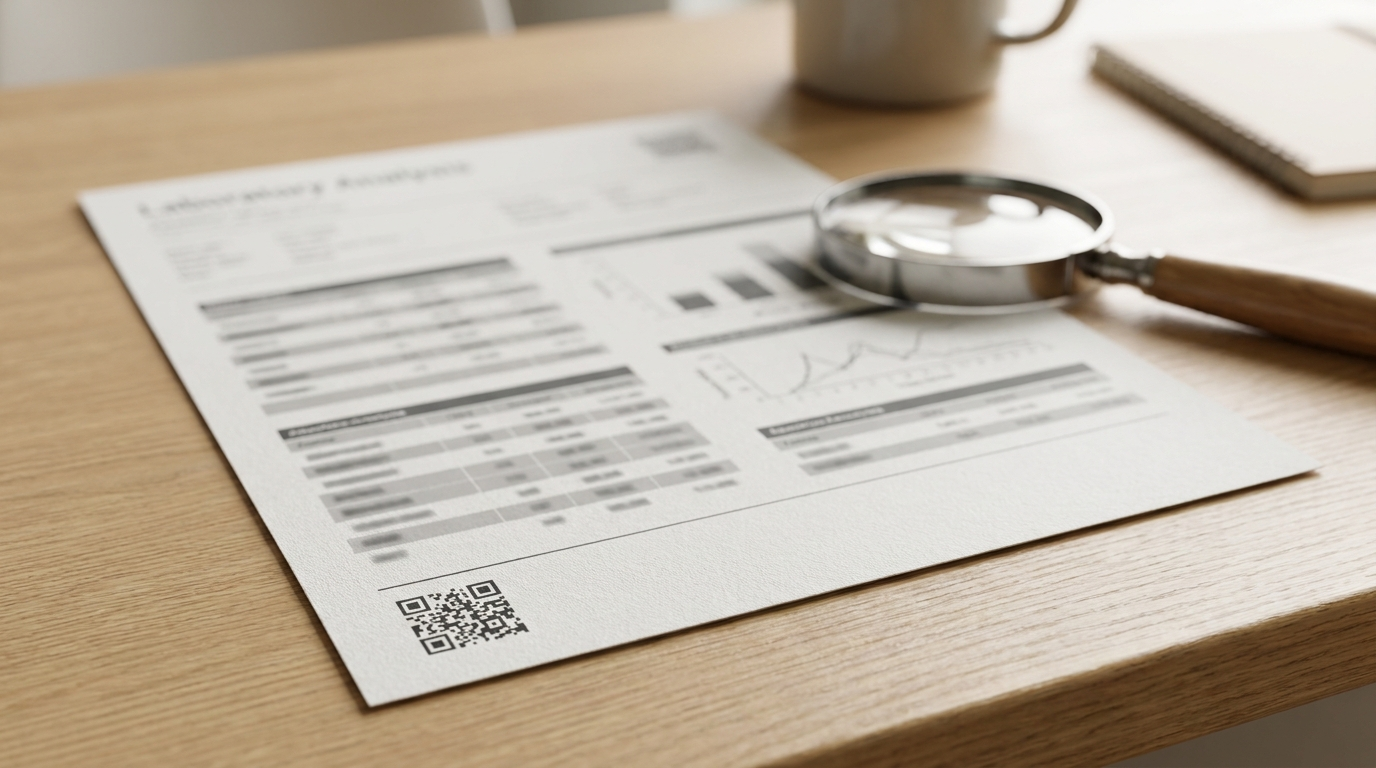
A COA is a laboratory analysis report for a specific production batch. An external lab receives a sample, analyzes its composition, and documents the result. Three features make the report reliable.
First, independence: The lab is not part of the supplier. Second, accreditation: Reputable labs work according to ISO/IEC 17025, the international standard for testing laboratories, and show this in the letterhead. Third, batch-specific: A COA applies to exactly one batch, not to a product in general. A report from two years ago for a Pen produced last month is worthless.
The five sections of a real lab report
Every complete COA for a cannabinoid Pen answers the same questions, usually in this order. The table shows what must be in each section and how to spot if something’s off:
| Section | What must be included | Warning sign |
|---|---|---|
| Cannabinoid profile | every detected compound with concentration (percent or mg/g) | Label promises 95% HHZ, profile shows a different value |
| THC value | "ND" (not detected) or "<LOQ" for 0.0 percent declaration | a specific measured value instead of ND |
| Terpene profile | aromatic compounds of the variety, e.g. limonene for citrus profiles | Lemon Haze Pen without notable limonene |
| Contaminants | residual solvents and heavy metals listed individually with limit and measured value | section is missing completely |
| Batch data | batch number, analysis date, lab with signature | number doesn't match the packaging or is missing |
The cannabinoid profile is the core statement of the product: If the Pen says 95 percent HHZ, the profile must show this value. For blends like H2 or H3, this section is the only place you’ll find out what’s really in the formula.
The THC value is the legally decisive point. Products declared as 0.0 percent THC must be below the detection limit. If there’s a measured value here, you have a problem that no aroma in the world can make up for.
Contaminants and residual solvents are the section counterfeiters love to leave out. Solvents are used in the production of distillates, and hydrogenation uses catalysts. A complete COA therefore lists residual solvents and heavy metals like lead, cadmium, and mercury individually.
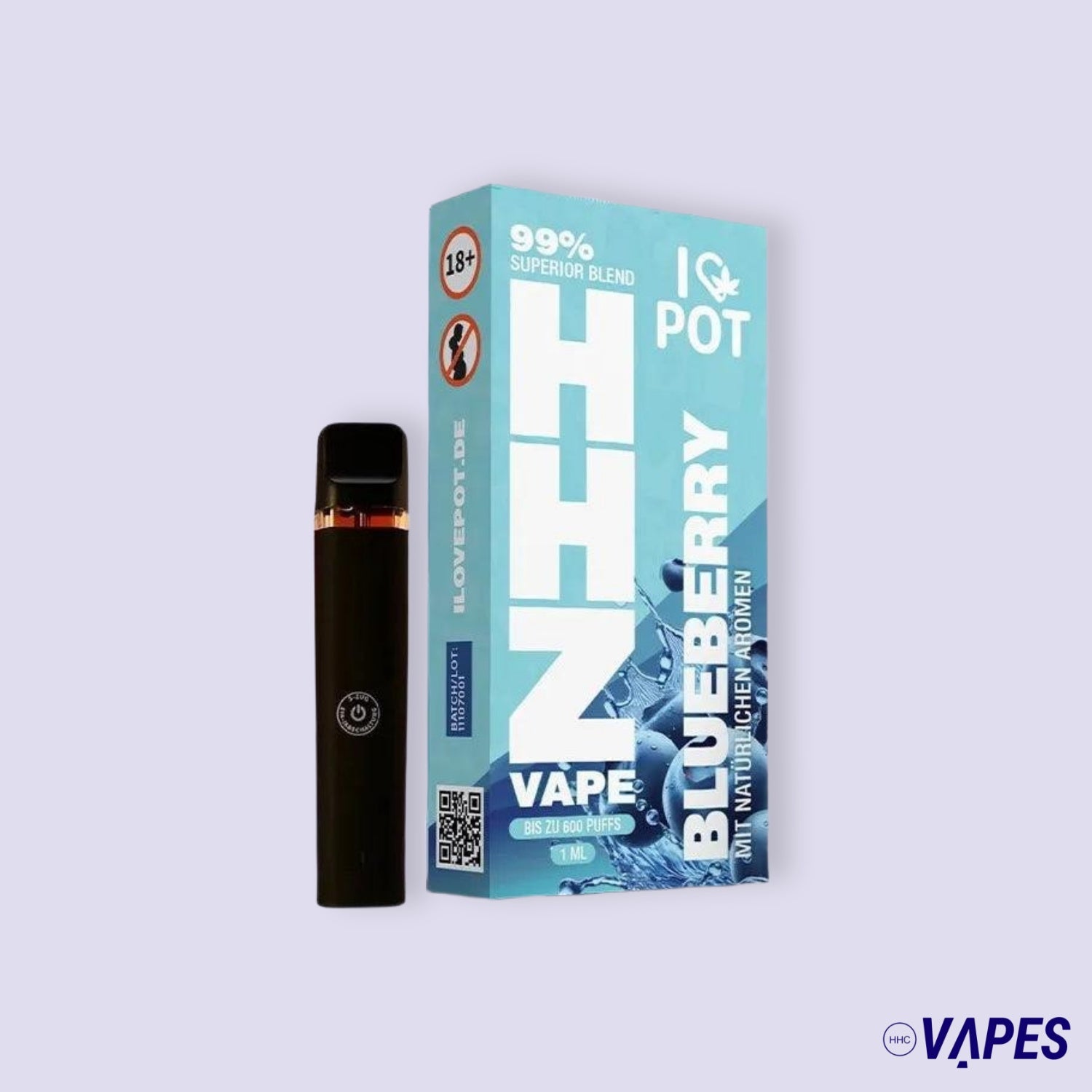
The batch number links the paperwork to your product. If there’s no batch number on the Pen, there’s nothing to compare, and even the nicest report is meaningless.
BILD 3 HIER: Foto Pen-Verpackung mit Batch-Nummer neben dem COA-FeldCheck a COA in five minutes: the checklist
- Match the batch number: Number on the packaging = number in the report. If they don’t match, nothing else matters.
- Check the THC value: For a 0.0 percent declaration, it must say ND or <LOQ.
- Compare the cannabinoid profile with the label: Promised concentration = measured concentration.
- Google the lab: Does the website exist, is the address correct, is the ISO-17025 accreditation findable?
- Check the analysis date: The report must match your batch’s production time, not be two years old.
How can you spot a fake or worthless COA?
The most common fake isn’t even a fake: It’s a real COA that has nothing to do with your product. An old batch, a different product, a report from the raw material supplier instead of the finished Pen. That’s why matching the batch is the single most important step when checking.
After that, it’s worth taking a look at the lab itself. The lab name can be checked in seconds: Does the website exist, is the accreditation there, does the address show up outside the COA? Some labs offer verification by QR code or report number directly on their site. If a report can’t be found there, skepticism is justified.
And finally, trust your gut feeling about the layout, which is surprisingly reliable: missing units, rounded fantasy values like a neat 95.0 everywhere, no analysis date, no method listed. Real labs document meticulously. Counterfeiters document attractively.
The most important COA terms explained briefly
| Term | Meaning |
|---|---|
| COA / Certificate of Analysis | laboratory analysis report for a specific production batch |
| ND (not detected) | substance not found above the detection limit; the target value for THC with a 0.0 percent declaration |
| <LOQ | below the quantification limit: traces detectable, but not quantifiable |
| ISO/IEC 17025 | international standard for the competence of testing laboratories, regularly audited externally |
| Batch / Charge | a production unit; each COA applies only to exactly one batch |
Where do you get the COA for your product?
Depending on the supplier, the lab report is available on the product page or upon request. If you want to see a report for a batch, just ask customer service—the contact details are in the footer.
Conclusion: don’t trust any banner, read the paper
Checking a COA in five minutes isn’t rocket science—the checklist above is enough. If you follow these five steps, you’ll never buy blindly again. To see what the values mean for choosing between product lines, check out the comparison of HHZ, H2, and H3.