



Table of contents
- Cannabis Legalization Germany 2026 – Current Status
- Looking Back: The Cannabis Act 2024 as the Starting Point
- Cannabis Legal in Germany: What Applies in 2026?
- Political Developments Surrounding the Cannabis Act 2026
- Impact of Legalization on Everyday Life
- Alternatives and Legal Cannabinoids
- Youth Protection and Prevention
- Health Aspects and Harm Reduction
- Outlook: What's Next for Cannabis Legalization?
- Frequently Asked Questions (FAQ)
Cannabis Legalization Germany 2026 – Current Status
Cannabis legalization in Germany remains one of the most hotly debated topics in politics and society. Since the historic enactment of the Cannabis Act (CanG) in April 2024, a lot has happened – but where do we actually stand in 2026? In this article, you'll learn everything about the current status of cannabis legalization in 2026, which regulations apply, what has changed, and what you need to be aware of.
Looking Back: The Cannabis Act 2024 as the Starting Point
On April 1, 2024, the Cannabis Act (CanG) came into force in Germany. This decriminalized the possession and private cultivation of cannabis for adults under certain conditions. The key points at that time were:
- Possession of up to 25 grams of cannabis in public spaces permitted for persons aged 18 and over
- Up to 50 grams of cannabis at home for personal use allowed
- Private cultivation of up to three cannabis plants per adult person permitted
- Establishment of non-commercial cultivation associations (Cannabis Social Clubs) possible
- Consumption prohibited in the immediate vicinity of schools, playgrounds, and children's or youth facilities
This law was the so-called "Pillar 1" of legalization. Already at that time, a "Pillar 2" was announced, which envisaged commercial sales through licensed specialty shops in model regions. This is exactly where significant progress has been made in 2025 and 2026.
Cannabis Legal in Germany: What Applies in 2026?
As of April 2026, the basic regulations of the Cannabis Act continue to apply in Germany. Here are the most important points at a glance:
Possession and Personal Cultivation
The regulations on possession and personal cultivation have remained essentially unchanged compared to 2024. As an adult, you may still carry up to 25 grams of cannabis in public and store up to 50 grams at home. The cultivation of a maximum of three plants for personal use remains permitted. Important: The plants and harvested cannabis must be stored securely out of reach of children and adolescents.
Cannabis Social Clubs
The cultivation associations – better known as Cannabis Social Clubs – have established themselves across Germany since 2024. These non-commercial associations are allowed to collectively cultivate cannabis and distribute it to their members. Membership is limited to a maximum of 500 persons per club. Distribution is restricted to 25 grams per day and 50 grams per month per member. Lower limits apply to members between 18 and 21 years of age, and the THC content is capped at 10 percent.
In practice, it has become apparent that the bureaucratic hurdles for establishing and operating these clubs are considerable. Many associations struggle with lengthy approval processes and strict requirements. Nevertheless, hundreds of clubs are now active across Germany, although availability varies greatly by region.
Model Regions and Commercial Sales
The so-called Pillar 2 – the commercial sale of cannabis through licensed specialty shops – was planned from the outset as a scientifically monitored model project. Implementation has proven to be significantly more complicated than originally anticipated. The tender procedures for model regions have begun, but the actual launch of licensed sales is still pending in most regions. The European legal framework and the necessary coordination with the EU Commission play a central role in this.
Some selected municipalities and regions are in advanced planning phases, but nationwide commercial sales are not yet a reality in 2026. The political debate about the pace and scope of commercialization continues.
Political Developments Surrounding the Cannabis Act 2026
Cannabis legalization in 2026 remains the subject of intense political discussions. Following the 2025 federal election, the political landscape has changed, and the future of the Cannabis Act depends significantly on the respective government coalition.
Supporters and Opponents
The positions of the parties on cannabis legalization remain divided:
- Supporters of further development: Parties such as the Greens, the SPD, and the FDP advocate for expanding legalization, particularly for implementing commercial sales.
- Critics and skeptics: CDU/CSU have repeatedly announced their intention to restrict or reverse the Cannabis Act. Parts of law enforcement agencies and the medical profession also view the current implementation critically.
- Undecided middle ground: Many citizens are generally open to legalization but see a need for improvement in practical implementation, particularly regarding youth protection and road safety.
Possible Reversal or Tightening?
A complete reversal of the Cannabis Act is considered unlikely by legal experts, as decriminalization has already become deeply embedded in existing structures. However, targeted tightening measures – for example regarding consumption prohibition zones or requirements for cultivation associations – are certainly within the realm of possibility. You should keep an eye on the current political debate to stay informed about potential changes.
Impact of Legalization on Everyday Life
Road Traffic and Cannabis
A particularly relevant topic for you as a consumer is the situation in road traffic. With partial legalization, the THC blood level limit was also adjusted. Since 2024, a limit of 3.5 nanograms of THC per milliliter of blood serum applies – comparable to the 0.5 per mille limit for alcohol. For novice drivers in their probationary period and persons under 21, a strict ban on combining cannabis and driving applies.
In practice, however, the situation remains complex. The detectability of THC in the blood varies greatly from person to person, and regular consumers may still show values above the limit days after their last use. If you consume cannabis, you should plan generous time intervals before driving and, when in doubt, opt not to drive.
Employment Law and Cannabis
In employment law, little has changed due to legalization. Employers may still impose a ban on consumption at the workplace and during working hours. Particularly in safety-critical professions, cannabis use can have employment law consequences. However, private use during leisure time is fundamentally a personal matter – as long as it does not impair your ability to work.
Traveling with Cannabis
A common misconception: Even though cannabis is legal in Germany under certain conditions, this does not automatically apply to other countries. Taking cannabis across national borders is illegal in the vast majority of cases and can result in severe penalties abroad. This also applies within the EU, as cannabis policy is a matter for individual countries and most EU member states have significantly more restrictive regulations.
Alternatives and Legal Cannabinoids
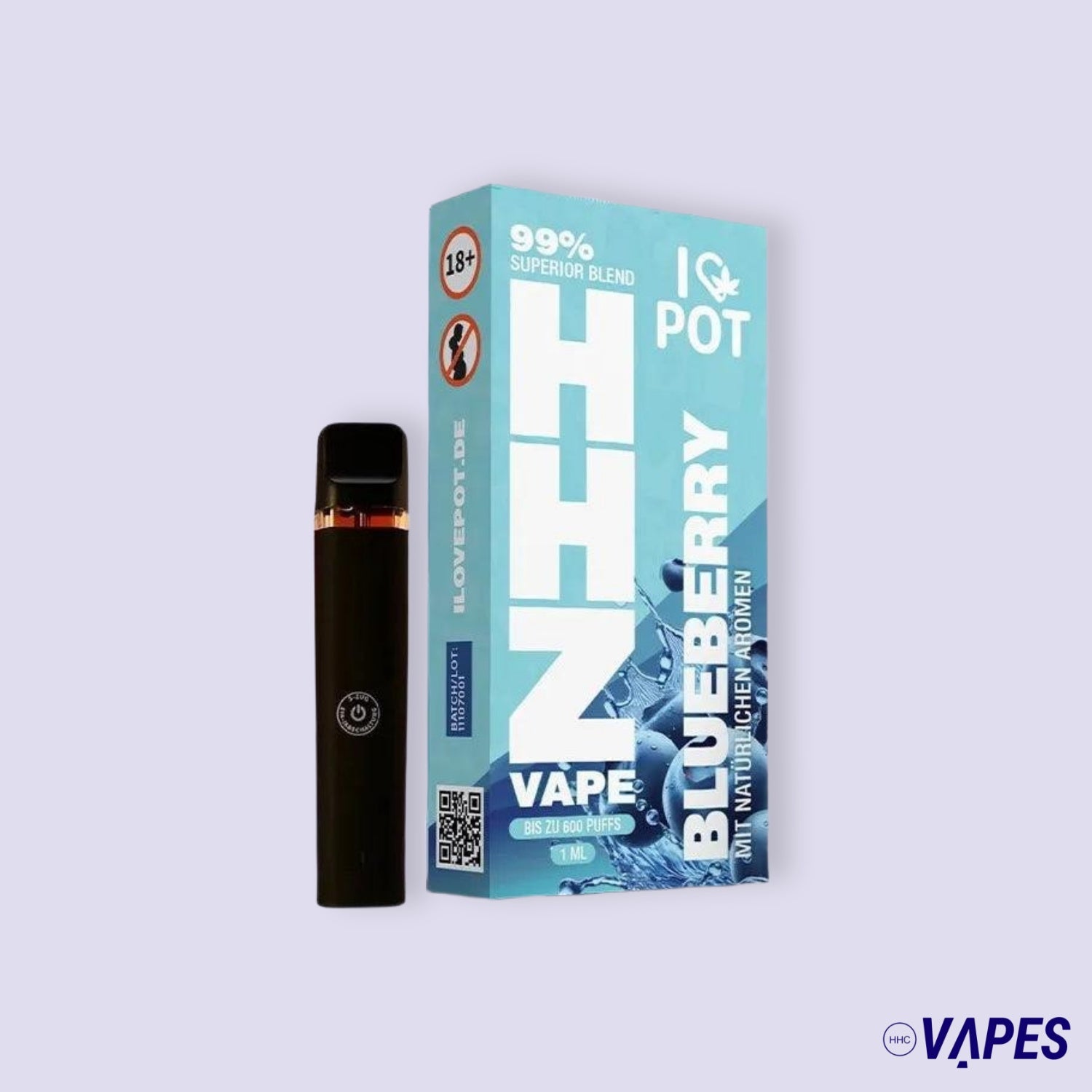
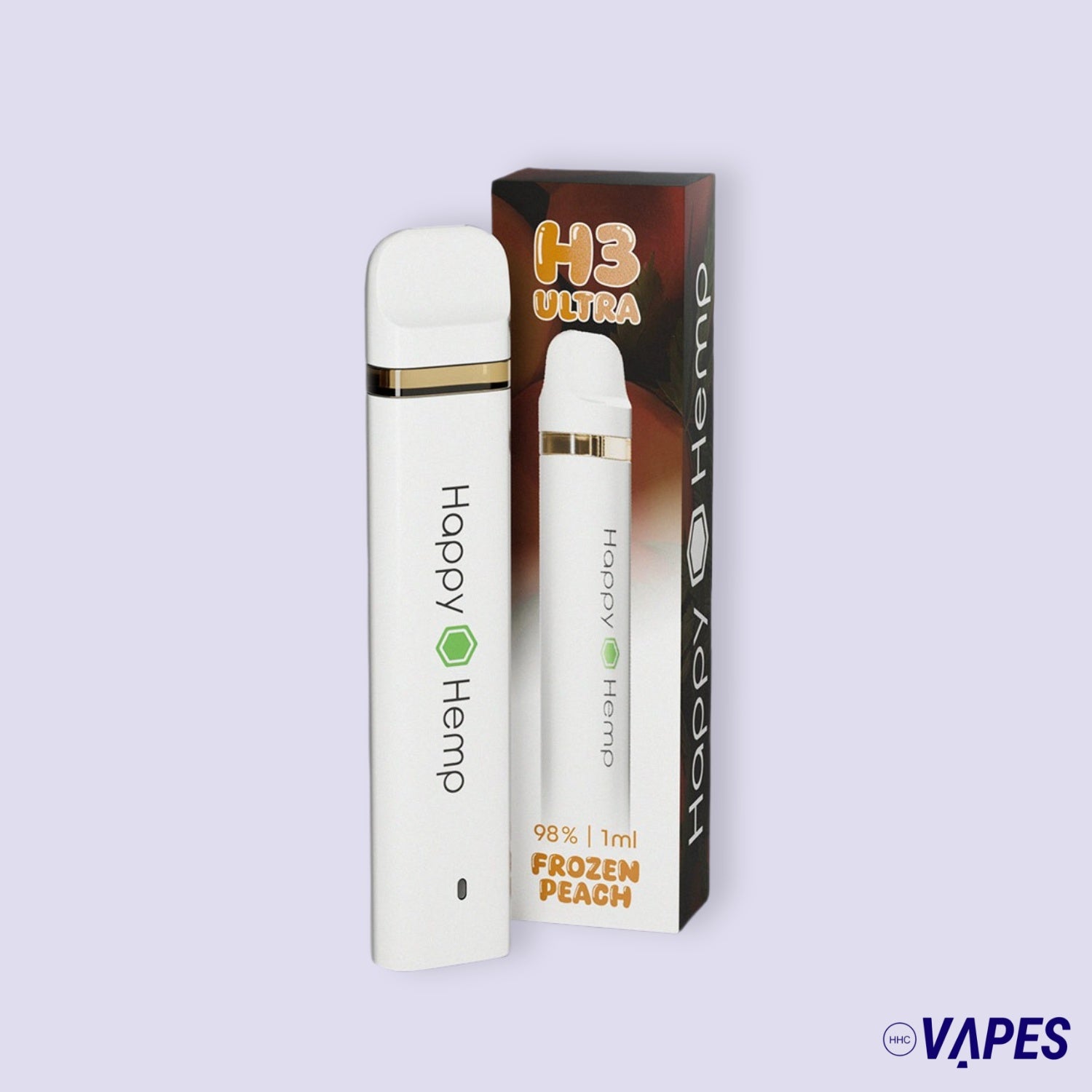
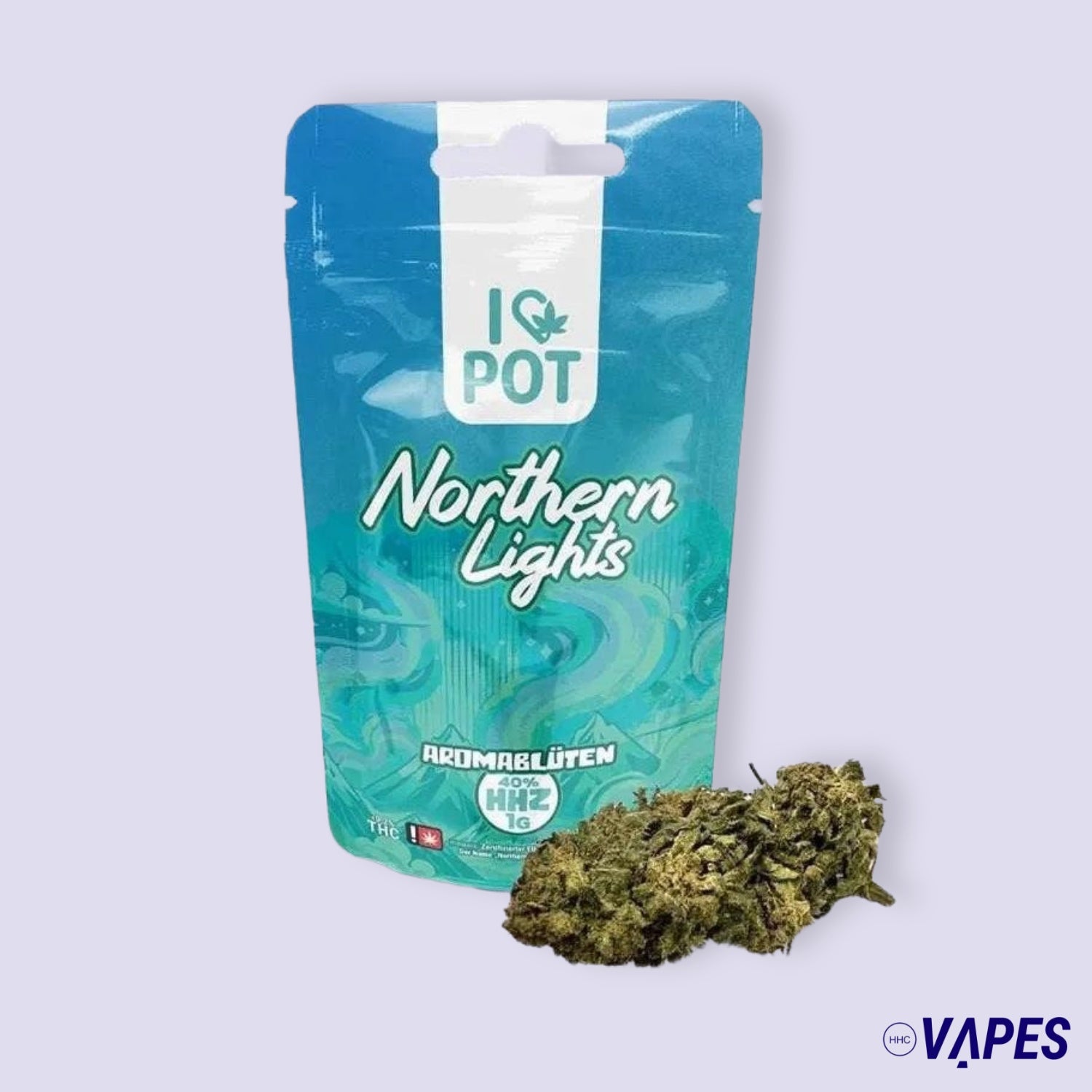
In addition to classic THC-containing cannabis, there is a growing number of alternative cannabinoids that are available in various legal gray areas or are fully legal. Products based on HHC, H4CBD, or similar compounds offer you the opportunity to have cannabinoid experiences without necessarily relying on the regulations of the Cannabis Act.
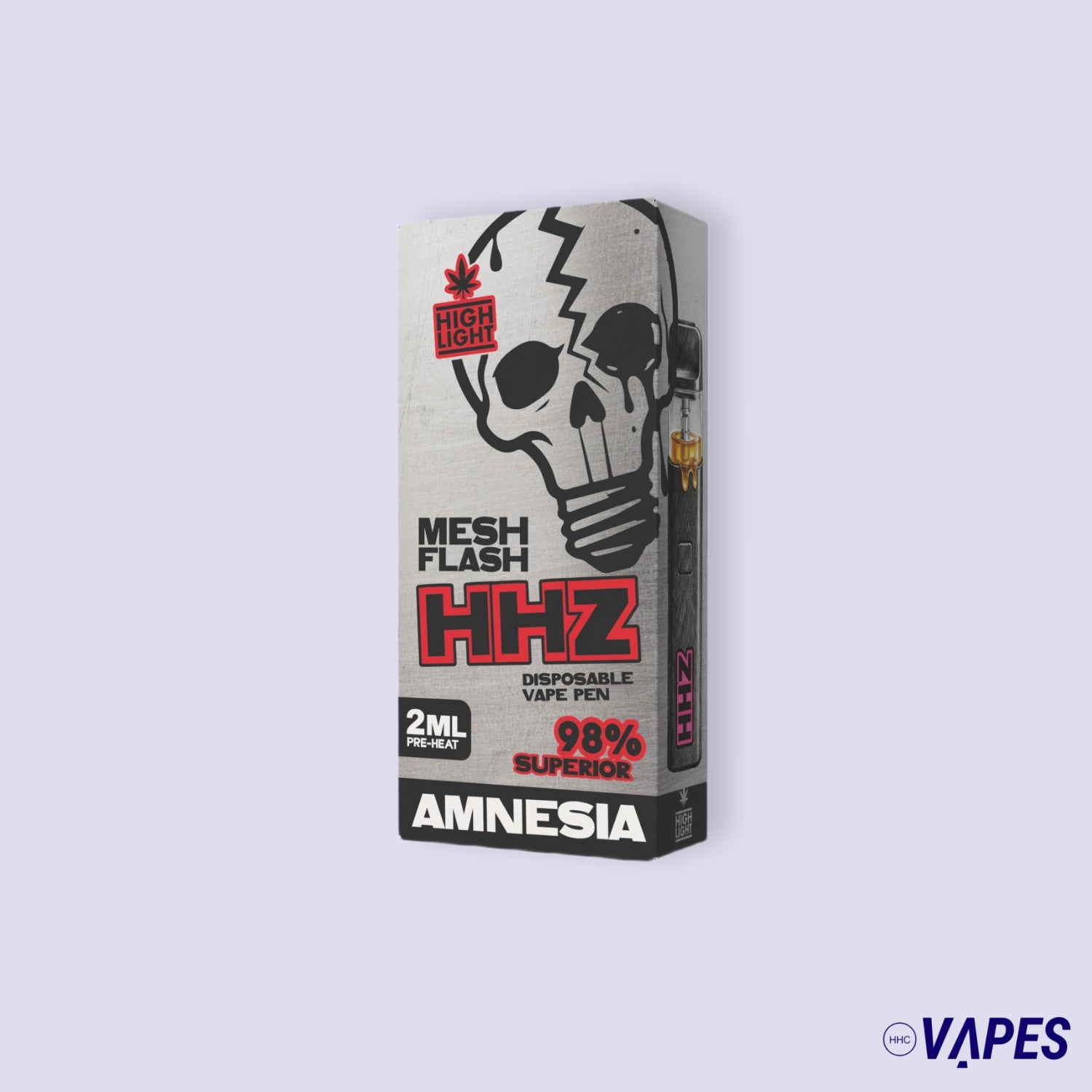
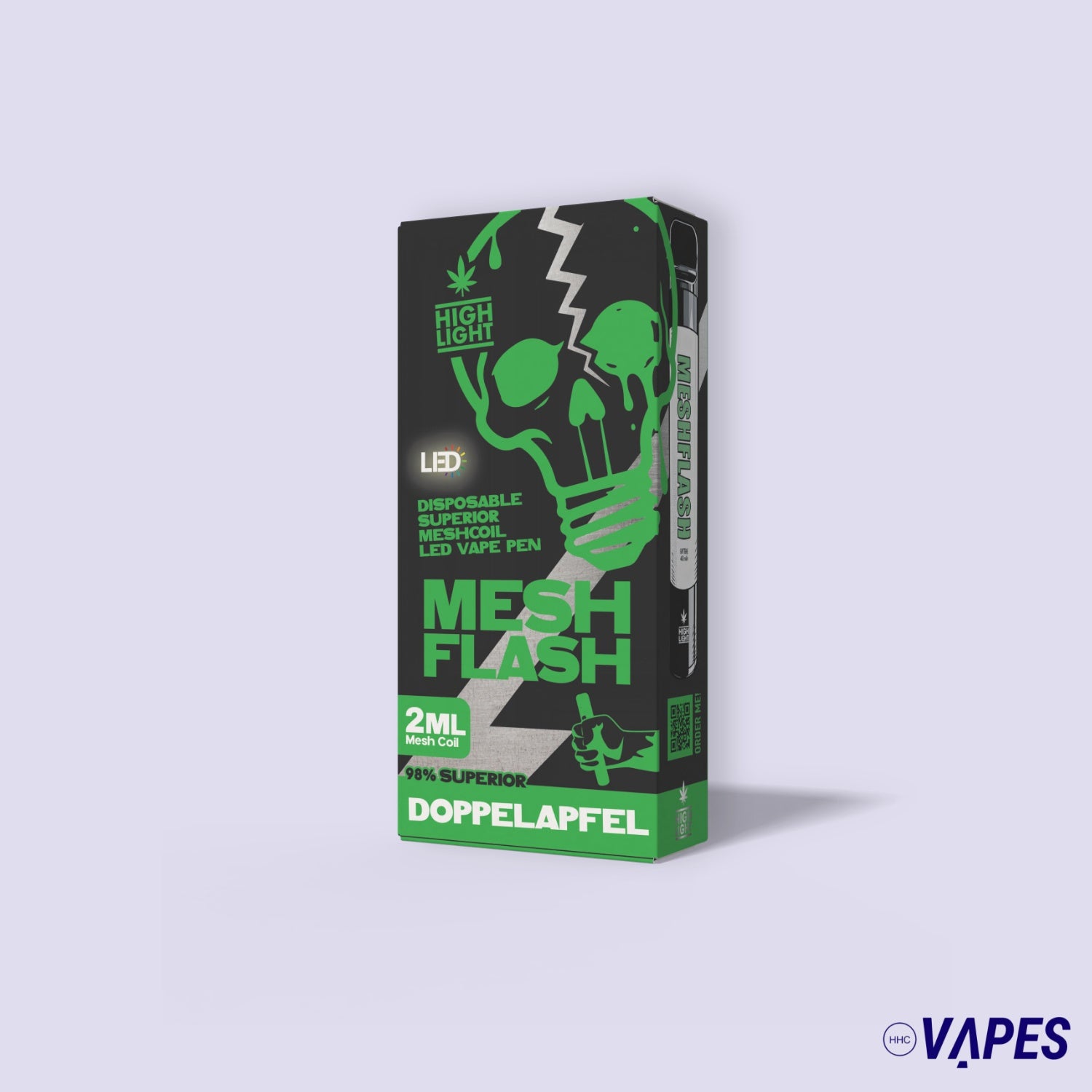
Particularly popular are vape products, which allow for discreet and convenient use. If you're interested in high-quality vapes, you'll find a wide selection of tested products at HHC VAPES. For particularly discerning users, the Superior Vape Collection offers premium quality, while HHZ Vapes represent an exciting alternative for adventurous users.
Wondering what exactly the differences are? In our detailed comparison, you'll learn everything you need to know: What Are Superior Vapes Compared to HHZ Vapes?
It's important to note that the legal status of these alternative cannabinoids can change at any time. Regularly inform yourself about the current status of the substances you wish to consume.
Youth Protection and Prevention
A central concern of cannabis legalization was and remains improved youth protection. Minors are not allowed to possess or consume cannabis – this has not changed. Legalization aims to curb the black market and thereby make uncontrolled access for young people more difficult.
In practice, initial evaluations show a mixed picture. While the black market has declined in some regions, it remains present in others. Prevention programs in schools have been expanded since 2024, and the Federal Centre for Health Education (BZgA) has intensified its cannabis prevention campaigns.
If you consume cannabis yourself, take responsibility: Store your cannabis securely and out of reach of minors, and educate young people around you factually about the risks rather than downplaying consumption.
Health Aspects and Harm Reduction
Legalization has also stimulated public discussion about the health risks of cannabis consumption. Regardless of the legal situation, you should be aware of the following points:
- Regular consumption can affect cognitive development, particularly in young adults.
- Smoking cannabis puts strain on the respiratory system similar to tobacco smoke. Vaporizers are considered a gentler alternative, as they heat the material rather than burning it.
- Mental health: In individuals with a predisposition to mental health conditions, intensive cannabis use can be problematic.
- Polydrug use with alcohol or other substances significantly increases risks and should be strictly avoided.
- Addiction potential: Cannabis can cause psychological dependence. Pay attention to your consumption and take regular breaks.
Harm reduction means making informed decisions. Use legal and tested products, know your limits, and don't hesitate to seek professional help if you notice that your consumption is becoming problematic.
Outlook: What's Next for Cannabis Legalization?
Cannabis legalization in Germany is an ongoing process. Several developments are conceivable for the coming months and years:
- Launch of model regions: Licensed sales in selected regions could begin gradually and provide valuable data for a potential nationwide expansion.
- Adjustment of regulations: Based on the experiences of the first two years, fine-tuning of limits, consumption prohibition zones, and requirements for cultivation associations is likely.
- European dynamics: Other EU countries are closely watching the German model. Movements toward liberalization in additional member states could also influence the German debate.
- Scientific evaluation: Accompanying research will increasingly provide robust data on the effects of legalization on health, crime, and society.
One thing is certain: Cannabis will continue to be a perennial topic in German politics and society in the years to come. Stay informed, engage in the debate, and make responsible decisions.
Frequently Asked Questions (FAQ)
Is cannabis completely legal in Germany in 2026?
No, cannabis is not unreservedly legal. Possession has been decriminalized for adults within certain quantity limits (25 grams in public, 50 grams at home). Sale on the open market remains illegal. Legal sources are personal cultivation (up to three plants) and Cannabis Social Clubs. Commercial sale through licensed specialty shops is planned as part of model projects but has not yet been implemented nationwide.
Can the Cannabis Act be reversed?
Theoretically, a reversal or tightening of the law by a new parliamentary majority is possible. In practice, however, a complete reversal is considered unlikely, as the existing structures – from Cannabis Social Clubs to the adapted criminal provisions – are already deeply established. However, targeted amendments and tightening measures are quite realistic.
Am I allowed to drive after using cannabis?
You may operate a vehicle as long as your THC level in blood serum is below 3.5 nanograms per milliliter. For novice drivers and persons under 21, an absolute ban applies. Since THC can be detected for varying lengths of time depending on consumption frequency, you should allow generous amounts of time to pass after consumption before getting behind the wheel.
How do legal cannabinoid products like HHC vapes differ from traditional cannabis?
HHC (Hexahydrocannabinol) and similar cannabinoids are chemically related to THC but are partly subject to different legal regulations. They offer an alternative for users seeking legal cannabinoid products. The effects can vary depending on the substance and dosage. High-quality products can be found, for example, in the vape category at HHC VAPES. Always look for tested quality and reputable suppliers.
What happens if I possess more than the permitted amount of cannabis?
Possession of more than 25 grams in public or more than 50 grams at home remains an administrative offense or criminal offense, depending on the quantity and circumstances. For minor violations, a fine may be imposed; for significant violations, criminal consequences may follow. Stay within the legal limits to avoid legal problems.


Leave a comment
All comments are moderated before being published.
This site is protected by hCaptcha and the hCaptcha Privacy Policy and Terms of Service apply.