

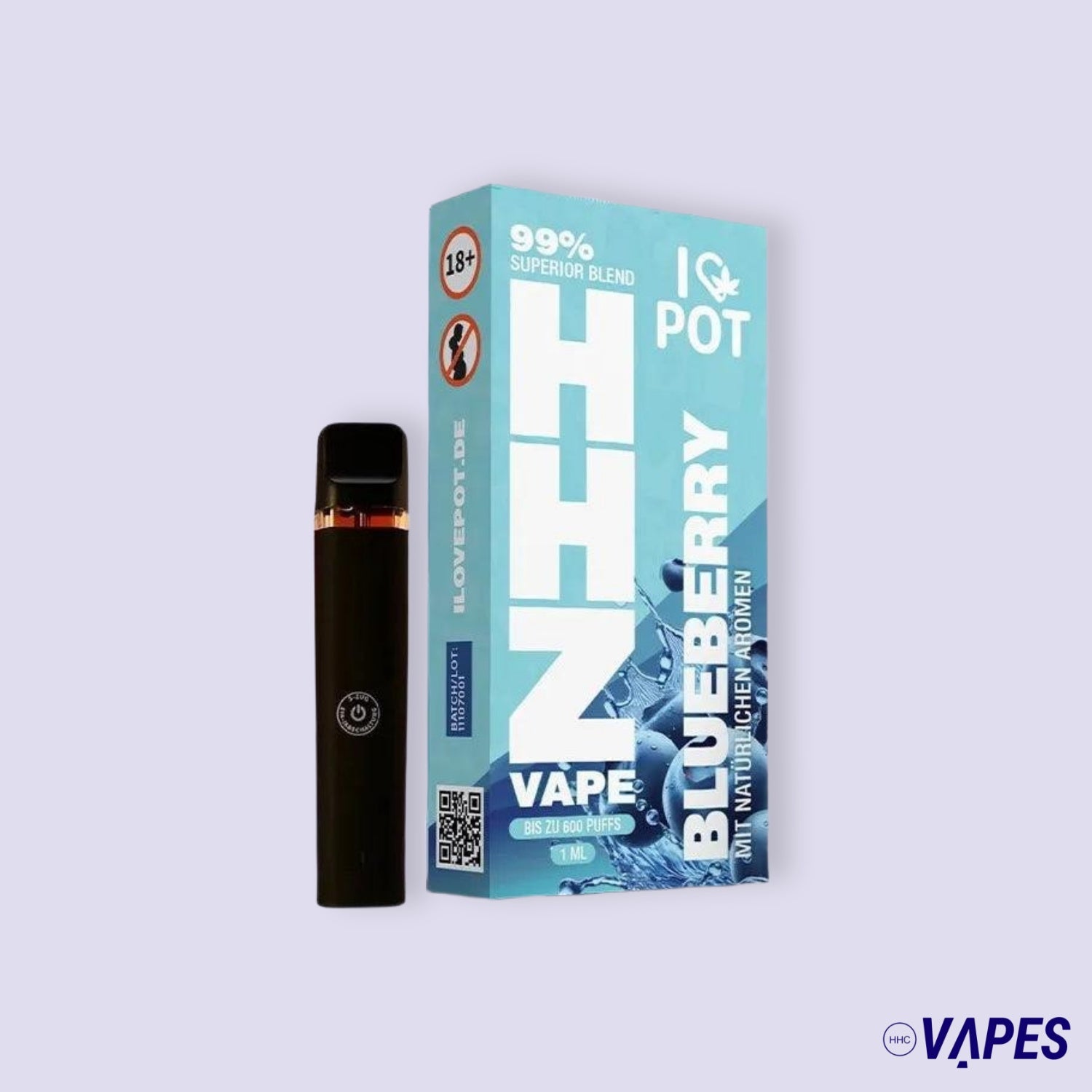

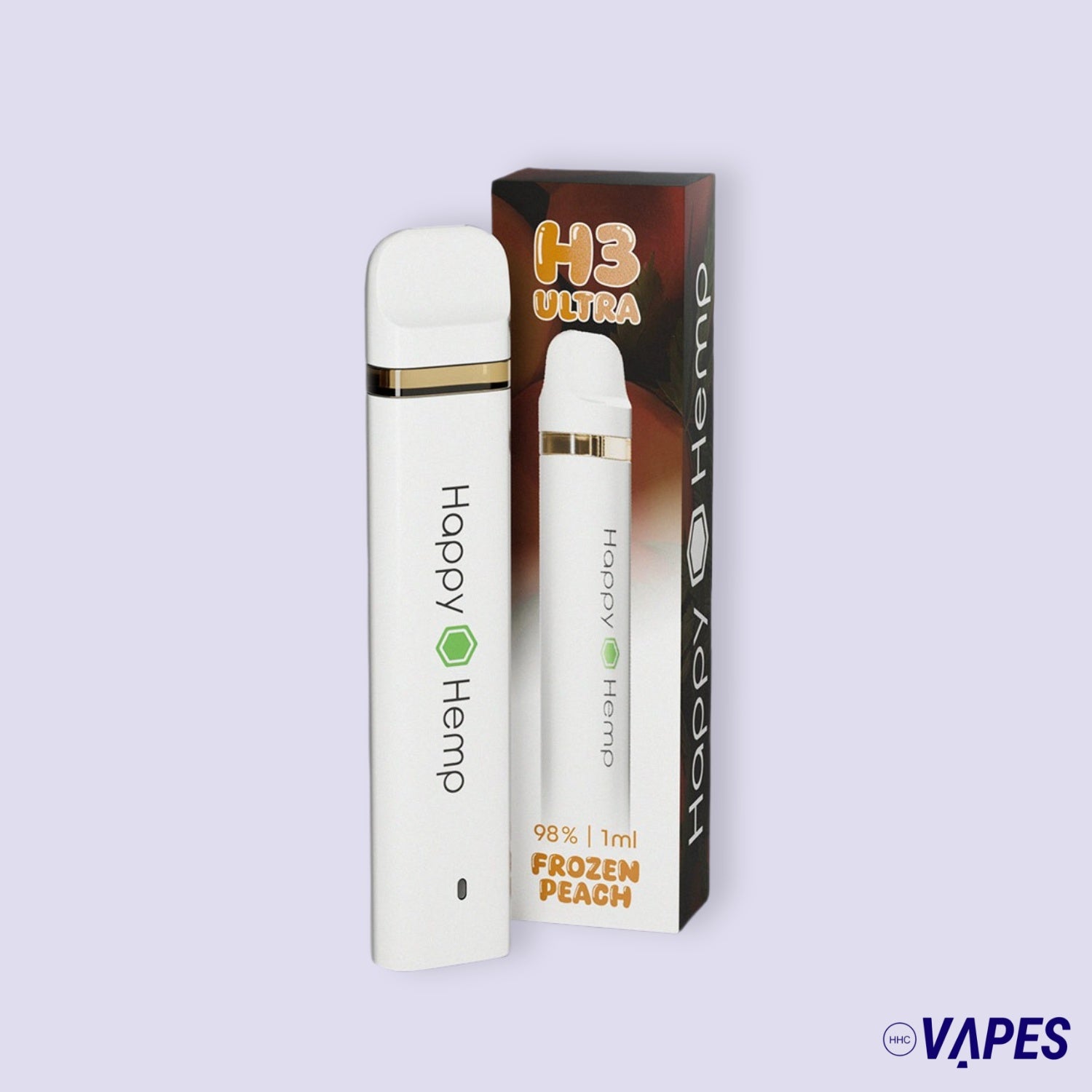
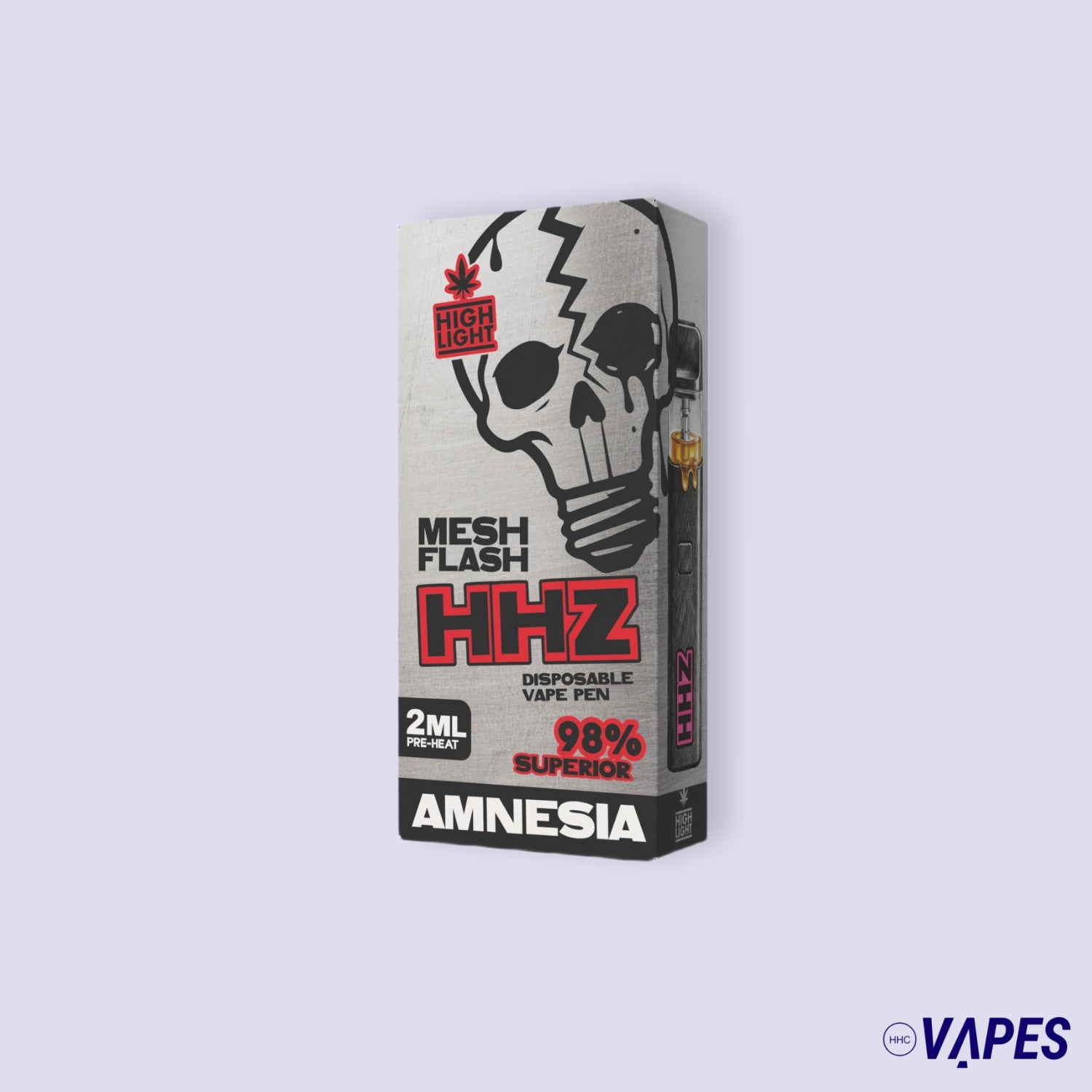
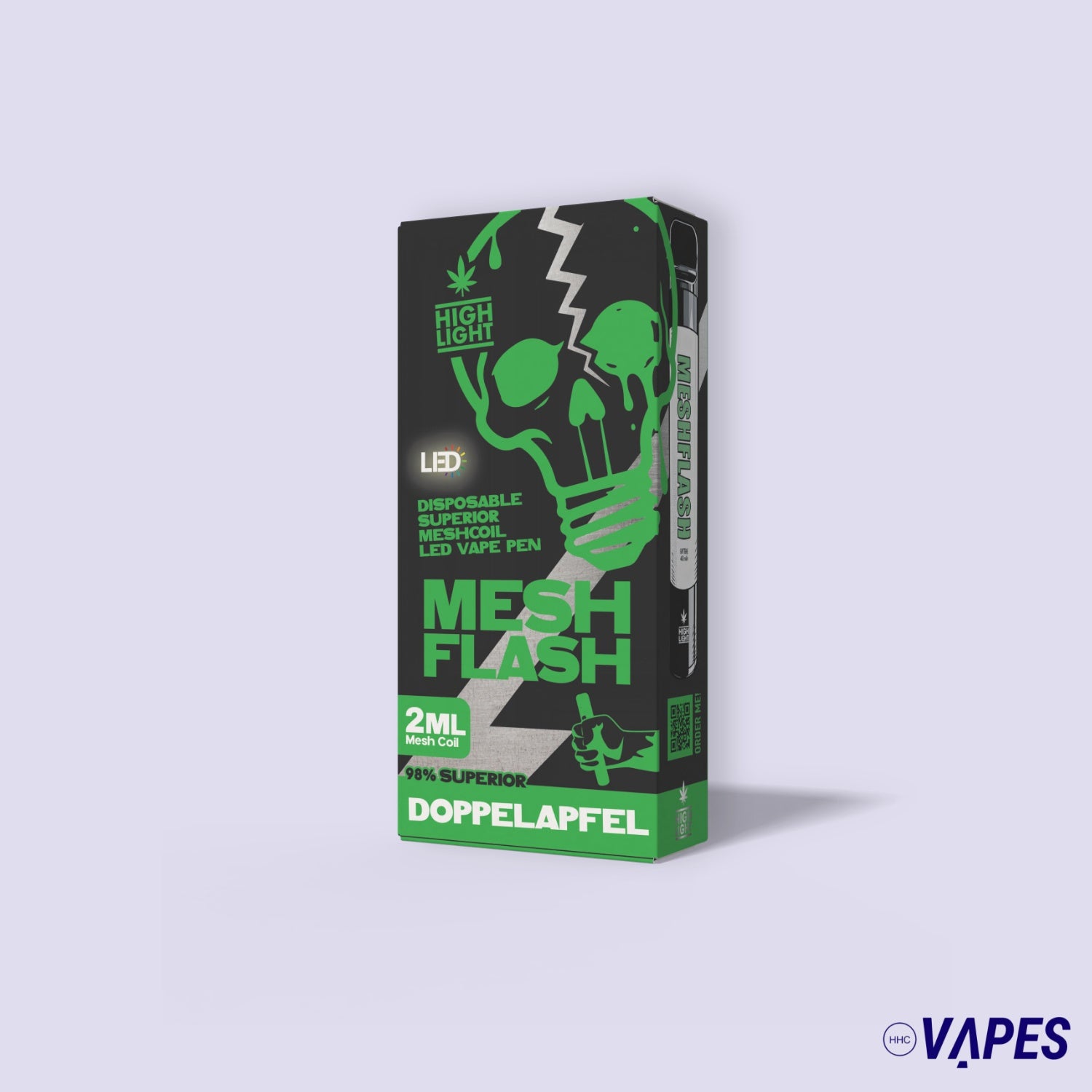

Table of contents
- Vaping vs. Smoking – A Fundamental Difference
- What's in Vape Vapor? A Close Look at the Ingredients
- What Does Current Science Say About Vape Health?
- Risk Factors: What Makes Vaping Potentially Harmful?
- Vapes and Cannabinoids – A Special Consideration
- How Can You Minimize the Risk?
- Vaping and Non-Smokers – A Clear Boundary
- Summary: What Science Really Says
- Frequently Asked Questions (FAQ)
Vapes have become an integral part of many people's daily lives. Whether as an alternative to traditional cigarettes or as a recreational product – the small vaporizers have established themselves. But with growing popularity comes growing uncertainty: Are vapes harmful? What does current science say about it, and how can you assess the risk for yourself? In this guide, we take a close look at the facts – objectively, honestly, and without fearmongering.
Vaping vs. Smoking – A Fundamental Difference
Before we talk about potential risks, there is a crucial point to make: vaping and smoking are not the same thing. When smoking a conventional cigarette, combustion takes place. This produces thousands of chemical compounds, at least 70 of which are considered carcinogenic. Tar, carbon monoxide, and hydrogen cyanide are just some of the substances released when tobacco is burned.
When vaping, on the other hand, a liquid or extract is vaporized – not burned. The temperatures are significantly lower, and no smoke is produced in the traditional sense, but rather an aerosol. This fundamental difference is the reason why many scientists and health authorities consider vaping to be potentially less harmful than smoking.
The British health authority Public Health England (PHE) already concluded in 2015, in a widely cited finding, that e-cigarettes are approximately 95% less harmful than conventional cigarettes. This assessment has been confirmed in subsequent reviews, although it does not mean that vaping is completely risk-free.
What's in Vape Vapor? A Close Look at the Ingredients
To answer the question "Is vaping harmful?", we need to look at what you actually inhale when vaping. The base of most liquids consists of:
- Propylene Glycol (PG): A food additive that is also used in fog machines and asthma inhalers. It is considered safe for oral consumption, but the long-term effects of inhalation are still being researched.
- Vegetable Glycerin (VG): Also a food additive, responsible for the typical vapor production. Oral safety is well documented here too, but long-term inhalation is still the subject of research.
- Flavorings: Food-grade flavorings that are generally approved for consumption. However, some flavoring substances can form different compounds when heated. Diacetyl (butter flavoring) in particular has been criticized in the past – reputable manufacturers now avoid using it.
- Active ingredients: Depending on the product, nicotine, CBD, HHC, or other cannabinoids. The quality and purity of active ingredients varies greatly depending on the manufacturer.
High-quality vape products from reputable suppliers undergo laboratory analysis and contain no unwanted additives. In our vape collection you will find exclusively products that meet strict quality standards.
What Does Current Science Say About Vape Health?
Studies on Short-Term Effects
Research on the short-term effects of vaping is now fairly extensive. Commonly reported symptoms with regular use include:
- Dry mouth and throat
- Mild coughing irritation, especially at the beginning
- Occasional headaches (often with too high a nicotine dose)
- Mild respiratory irritation
These symptoms are generally mild and temporary. A 2021 study published in the Journal of Aerosol Science showed that e-cigarette vapor contains significantly fewer toxic particles than cigarette smoke. The strain on the lungs is therefore measurably lower.
Long-Term Studies – Where Do We Stand?
This is the core of the debate: Long-term studies spanning 20 or 30 years simply do not exist, because vapes have only been on the mass market for about 15 years. This does not automatically mean that vaping is dangerous – it means that science cannot currently make definitive statements about long-term consequences.
What we do know: A large-scale cohort study from the University of Dundee in 2019 examined smokers who had switched to e-cigarettes. Within one month, measurable improvements in vascular function and blood pressure were observed. The researchers concluded that vaping poses significantly fewer cardiovascular risks than smoking.
The EVALI Crisis – Important Context
In 2019, the so-called EVALI crisis (E-cigarette or Vaping Product Use-Associated Lung Injury) made headlines in the USA. Hundreds of people became seriously ill with a lung disease, and some died. However, investigations by the CDC (Centers for Disease Control and Prevention) found that in the overwhelming majority of cases, illegally manufactured THC cartridges were the cause. These contained vitamin E acetate as a cutting agent – a substance that releases highly toxic compounds when heated.
The EVALI crisis underscores a central point: The quality and origin of products is crucial. Those who rely on tested, reputable products significantly reduce their risk. In our range of Superior Vapes, we therefore rely on lab-tested quality and complete transparency regarding ingredients.
Risk Factors: What Makes Vaping Potentially Harmful?
Science identifies several factors that influence the risk of vaping:
1. Product Quality and Origin
By far the most important factor. Black market products, no-name cartridges from dubious sources, and untested liquids pose the greatest risk. They may contain heavy metals, pesticides, solvents, or other dangerous substances. Always look for:
- Laboratory analyses (Certificate of Analysis, or COA)
- Transparent ingredient declarations
- A reputable retailer with a traceable supply chain
- CE marking and compliance with European standards
2. Temperature and Device Choice
Excessively high temperatures can cause unwanted compounds to form. At temperatures above 300°C, the likelihood increases that PG and VG will decompose into formaldehyde or acrolein – both substances that irritate the airways. Modern, high-quality vape devices feature temperature control and prevent overheating. If you're looking for reliable devices, take a look at our HHZ Vapes – these are designed for controlled, consistent vapor.
3. Consumption Behavior
As with almost everything in life: the dose makes the poison. Occasional vaping is different from permanently chain-vaping. Those who consume consciously and in moderation significantly minimize potential risks. Be aware of how often and how intensely you vape, and listen to your body's signals.
4. Individual Health
People with pre-existing respiratory conditions, such as asthma or chronic bronchitis, should be particularly cautious. Allergies to individual ingredients (e.g., propylene glycol) can also play a role. When in doubt, consulting a doctor is advisable.
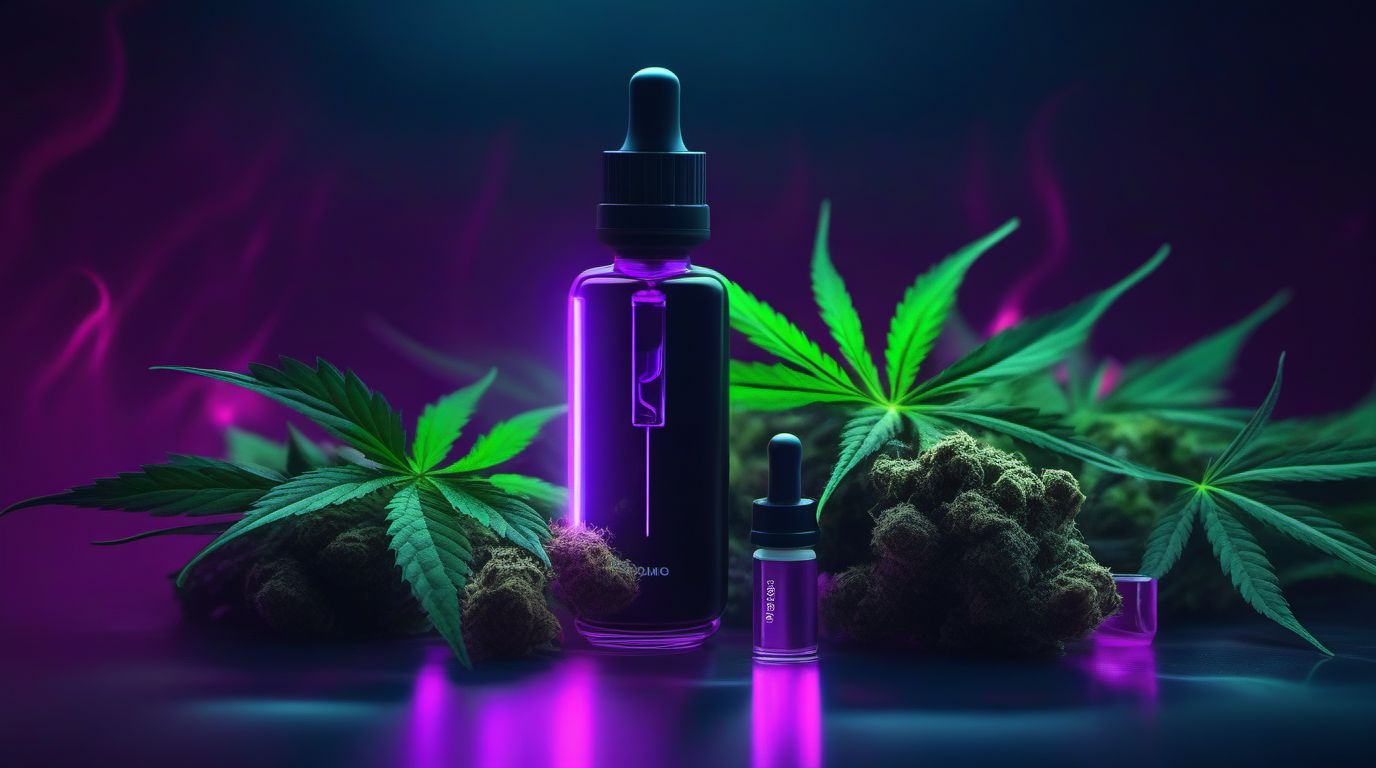
Vapes and Cannabinoids – A Special Consideration
Many of our readers are specifically interested in vaping cannabinoids such as HHC, CBD, or HHZ. There are some special aspects to consider here:
Cannabinoid vapes typically vaporize extracts or distillates, not nicotine-containing liquids. The composition is therefore different. The key factor here is above all the purity of the extract. High-quality cannabinoid distillates should be free of residual solvents, pesticides, and heavy metals – this is confirmed by independent laboratory analyses.
An advantage of vaping over the traditional smoking of cannabinoids (e.g., in a joint): no combustion of plant material takes place, and no combustion byproducts such as tar are inhaled. For many users, vaping is therefore the more conscious choice.
If you'd like to know what to look for when choosing a high-quality vape, we recommend our detailed guide: The Best Vapes – Criteria and Reviews as a Guide.
How Can You Minimize the Risk?
Even though science cannot yet make definitive long-term statements, clear recommendations can be derived from existing research to keep your personal risk as low as possible:
- Only buy from reputable suppliers: Avoid black market products and no-name cartridges. Choose retailers who can provide laboratory analyses and are transparent about their ingredients.
- Look for quality seals: CE marking, independent lab reports, and traceable supply chains are indicators of reliability.
- Use modern devices: High-quality vaporizers with temperature control prevent overheating and thus the formation of potentially harmful degradation products.
- Consume consciously: Be aware of your consumption habits. Taking breaks and not consuming excessively is always a good idea.
- Listen to your body: Dry cough, shortness of breath, or other unusual symptoms should be taken seriously, and you should consult a doctor if in doubt.
- Stay informed regularly: Research is constantly evolving. Stay up to date to make informed decisions.
Vaping and Non-Smokers – A Clear Boundary
A point that is often overlooked in the discussion: Most studies that classify vaping as less harmful refer to the comparison with smoking. For non-smokers who have never smoked, there is no health-related reason to start vaping. Even though the risk profile is more favorable than with cigarettes – the lowest-risk option is and remains not inhaling anything at all.
At HHC VAPES, we cater to responsible adults who make a conscious decision. Our goal is to offer you the best possible product quality and transparent information – so you can decide based on facts, not based on fear or misinformation.
Summary: What Science Really Says
Let's summarize the current state of research:
- Vaping is not risk-free, but based on current knowledge, it is significantly less harmful than smoking.
- Long-term studies are lacking due to the relatively short market presence of vapes – this means uncertainty, but not automatically danger.
- Product quality is the most important factor for safety. Black market products are the greatest risk.
- Modern, temperature-controlled devices and lab-tested ingredients significantly minimize potential risks.
- For non-smokers, there is no health-related reason to start vaping.
- Conscious, moderate consumption and attentive listening to your own body remain the best strategy.
Science does not provide a simple yes-or-no answer to the question of whether vapes are harmful. What it does provide is a nuanced picture that allows you to make an informed decision. And that is exactly what we want to support you with.
Frequently Asked Questions (FAQ)
Is vaping more harmful than smoking?
Based on the current state of science, vaping is significantly less harmful than smoking conventional cigarettes. Public Health England estimates the risk to be about 95% lower. However, "less harmful" is not the same as "harmless." Research on long-term effects is not yet complete.
What substances do I inhale when vaping?
The base typically consists of propylene glycol (PG) and vegetable glycerin (VG), plus flavorings and, depending on the product, active ingredients such as nicotine or cannabinoids. With high-quality products, all ingredients are declared and lab-tested. Contamination in low-quality or illegal products is where problems primarily arise.
Can vapes cause lung diseases?
The 2019 EVALI crisis showed that illegal, adulterated products in particular can trigger severe lung diseases. Such severe cases have not been observed with regular, quality-tested vape products. Nevertheless, any form of inhalation can irritate the airways, especially with pre-existing conditions.
What should I look for when buying a vape?
Look for lab-tested products, transparent ingredient declarations, CE marking, and a reputable retailer. Avoid black market products at all costs. You can find detailed purchasing criteria in our guide The Best Vapes – Criteria and Reviews as a Guide.
Is vaping recommended for non-smokers?
No. Even though vaping is considered less harmful compared to smoking, there is no health-related reason for non-smokers to start vaping. Those who have never smoked or vaped should ideally keep it that way. Our products are aimed at responsible adults who make a conscious decision.


Leave a comment
All comments are moderated before being published.
This site is protected by hCaptcha and the hCaptcha Privacy Policy and Terms of Service apply.