
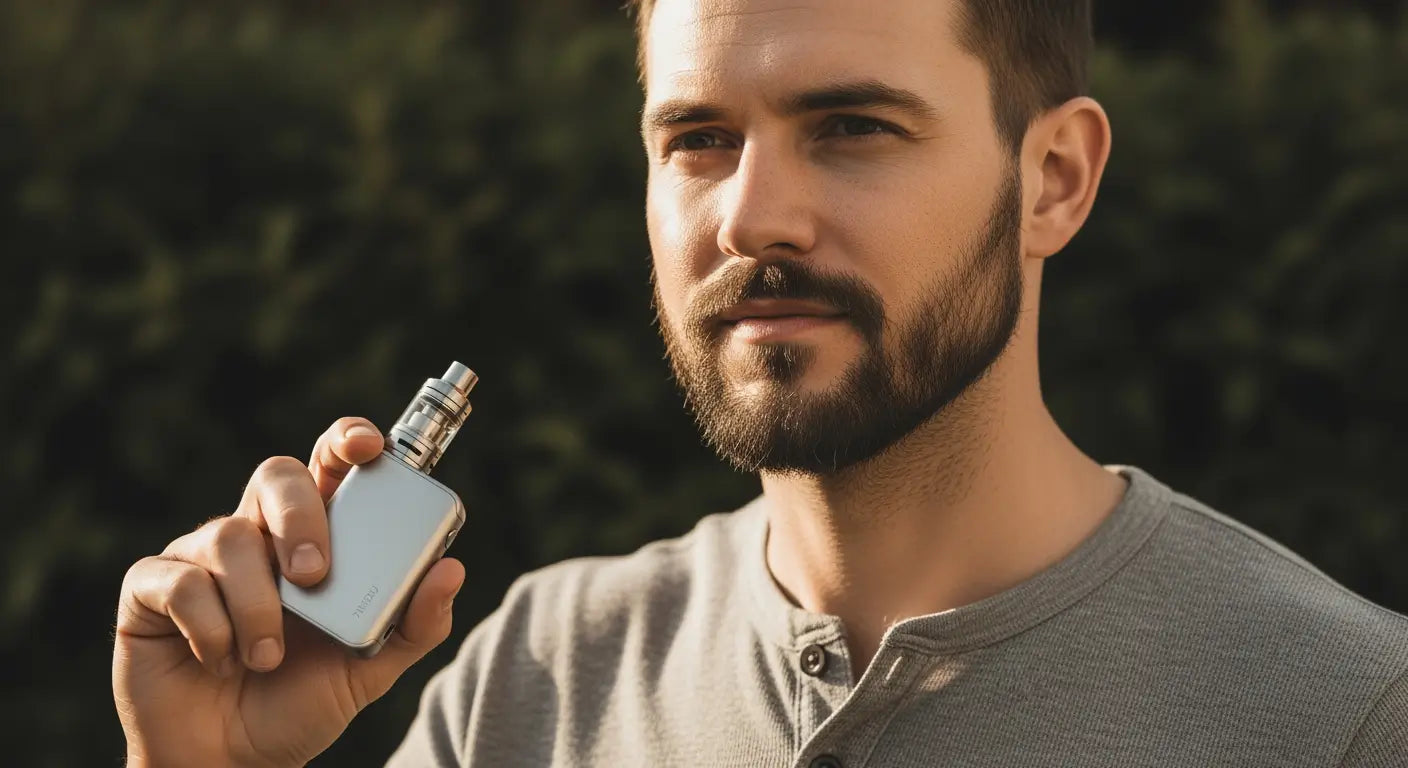

Why the right Vape use matters
If you’re new to vaping, you’ll quickly notice: the technique determines flavor, intensity, and how well it fits into your daily routine. Vapes don’t burn anything, they heat Liquid or material in a controlled way. That’s exactly why draw technique, temperature, and device type influence the whole experience. With just a few basics, you can vape much smoother, more efficiently, and with better control.
What defines a Vape – the basics
A Vape is basically a cool little gadget. Instead of burning something (like a cigarette), it simply heats a special liquid or extract. The result is a fine, fluffy vapor – an aerosol mist, not smoke! That’s the key point: No combustion by-products, no tar.
The Liquid can either give you a small nicotine kick or be completely nicotine-free. It’s up to you!
Which Vape is yours?
-
Disposable Vapes: Super easy! Unpack, take a puff, and start vaping. You don’t have to set anything, there are no buttons, because they work with a simple airflow sensor. Once it’s empty, you throw it away (please dispose of it properly!).
-
Refillable devices: These are for everyone who likes a bit more control. Here you can refill your favorite flavor and use replaceable pods or tanks. A bit like a modular system that lets you customize things more.
The core is always the same: a heating element, a Liquid reservoir, and the mouthpiece you draw from.
How Vapes work: From Liquid to aerosol
The vapor production process is similar for all vaping devices:
When you draw on the mouthpiece, the heating element (often a coil or ceramic pad) is activated and heats the Liquid or concentrate. This mixture, which typically consists of carriers like propylene glycol (PG) and glycerin (VG) plus flavorings, is converted into a fine vapor. This aerosol mist is then inhaled.
Differences between Vape systems
The different vaping systems mainly differ in the type of Liquids and their active ingredient concentration:
-
Classic Liquids (e-Liquids): These are designed for longer, smoother vaping sessions and offer more consistent dosing.
-
Pod systems and cartridges: These often contain more highly concentrated substances. They deliver a noticeable effect with just a few puffs, as they’re optimized for more efficient and intense delivery.
-
Herb Vaporizer (herbal Vapes): These devices heat dried plant material instead of vaporizing Liquid. Here you usually need several even draws until the plant material reaches the optimal vaporization temperature and releases the desired compounds.
The right draw technique: MTL and DL explained
Especially for beginners, the right draw technique is crucial for a pleasant vaping experience. Incorrect use can lead to throat irritation, disappointing vapor production, or an effect that’s too intense. This can be caused by drawing too fast, too hard, or by copying cigarette-style puffs. So here’s a quick explanation of the two draw techniques.
1. MTL (Mouth-to-Lung) – The standard technique
MTL, or mouth-to-lung, is the most common technique and best suited for people switching from smoking. It’s similar to sipping through a straw and is ideal for smaller devices.
How to do it correctly:
- Draw the vapor: Gently and evenly draw the vapor into your mouth for 1–2 seconds.
- Hold briefly: Hold the vapor in your mouth for a moment.
- Inhale: Then breathe it into your lungs.
- Exhale: Exhale calmly.
2. DL (Direct Lung) – For high-powered devices
DL, or direct lung, is a technique that’s only suitable for larger, more powerful devices with open airflow and lower nicotine concentrations. Here, the vapor is drawn straight into the lungs without stopping in the mouth first, similar to inhaling from a shisha.
Common mistakes
To get the best result and avoid overheating the device, you should avoid these mistakes:
- Drawing too quickly: Often leads to a “dry hit” (burnt taste).
- Breaking up the draw: Your puff should be steady and even.
- Drawing like on a cigarette: MTL needs longer, gentler puffs than a cigarette.
- No breaks between puffs: The device needs time for the Liquid to flow back to the coil and for the heating element to cool down.
How often should you take a puff?
How often you should take a puff is a key question for an optimal vaping experience and depends more on the device type than on your individual usage habits.
The dose and intensity aren’t just determined by your puffing technique, but mainly by the properties of the system you’re using. You should be especially careful with concentrated products so you can properly assess the effects. You can also find more about this in our blog post "Guide – how often to take a hit".
Factors that play a role
Device type, temperature setting, product form (Liquid vs. concentrate), the actual cannabinoid content and your personal tolerance all determine how many puffs make sense to get the effect you’re looking for.
Reference values
To give you a rough idea, here are some recommendations for common systems:
| System | Beginners | Regular users | Note |
| Cartridges / Vape-Pens | 1–3 puffs | 3–6 puffs | Because of the high cannabinoid content, more is usually not necessary. |
| Herb Vaporizer | - | 6–12 puffs per session | Take hits until the Flowers are fully heated through. |
| CBD Liquids | 3–5 puffs | 5–10 puffs | Varies a lot depending on temperature and session intensity. |
These reference values are meant to help you find your personal sweet spot without wasting material or ending up with an effect that’s stronger than you wanted.
Temperature and intensity: Finding the optimal setting
Temperature is a critical factor when vaping, because it directly determines how efficiently your material is vaporized and which compounds are released. With the right setting, you can go for either maximum efficiency or the best flavor.
How temperature affects your session
-
High temperatures (e.g. 200–220 °C): These settings produce denser vapor and a stronger release of cannabinoids. That means a more intense effect per puff. However, flavor can suffer from the heat and your material will be used up faster.
-
Low temperatures (e.g. 160–180 °C): Lower temperatures create more aromatic and smoother vapor. The effects kick in more slowly and are milder. You often need more puffs here to reach the desired effect.
When is it enough?
Knowing when a vaping session is done helps you save material and enjoy a consistently good experience. Several signs clearly show that the cannabinoids have either been fully released or the material is used up.
Signs that a Vape session is over
You’ll quickly notice when a session is done once the following points apply:
- Desired effect: The effect you were going for has clearly built up and leveled out.
- Change in taste: The taste of the vapor becomes thin, unpleasant or harsh. This often indicates that the aromatic compounds are used up.
- Vapor production: The vapor becomes visibly weaker or thinner, even though you’re pulling the same way.
- Change in material (Flowers): When using dry herb vaporizers, the Flowers turn consistently brown (but not black or burnt) and barely release any aroma.
- Device indicators (cartridges): On some models, the LED colors on the device show when the cartridge is almost empty or a certain temperature has been reached.
Important tip for device care
To make your device last longer and keep the vapor consistent, it’s a good idea to wait 30 to 60 seconds between puffs. This break gives the device time to reheat the coil and lets the Liquid flow back properly.
Typical beginner mistakes – and how to avoid them
Many beginners first run into issues like a scratchy throat, coughing or uneven effects. These problems are almost always caused by small handling mistakes that are easy to avoid.
Common mistakes when vaping
The following issues often lead to a less-than-ideal vaping experience:
- Vaping too fast one hit after another: This prevents the heating element from cooling down properly and the Liquid from flowing back in sufficiently, which can cause a burnt taste (dry hit).
- Choosing too high a temperature: Leads to very intense, sometimes harsh vapor and unnecessarily fast consumption of the material.
- Hectic or wrong draw technique: Especially drawing like on a cigarette (too short and too strong) can cause coughing with Vapes at high power.
- Wrong device for the material: For example, trying to use thick concentrates in a device made for thin e-Liquids.
- Overheating the Liquids: Leads to faster degradation of flavors and active compounds.
- No breaks between hits: The battery and the heating element get overloaded.
How to vape better
With a few simple tweaks you can improve your experience a lot:
- Patient draw technique: Take calm, steady draws for about 3–6 seconds. Use the MTL technique (mouth-to-lung) with most beginner devices.
- Take a short break: Wait at least 30 seconds between hits so the device can reheat and the Liquid can flow back in properly.
- Choose a moderate temperature: Always start with a low to moderate temperature setting and only increase it slowly if needed.
- Increase the effect slowly: Start with just a few hits and wait a couple of minutes before deciding if you need more.
- Regular cleaning: Keep your device clean to ensure optimal performance and a pure, untainted taste.
Realistic consumption values for Liquid
On average, 1 ml of e-Liquid equals between 250 and 350 hits, though this depends a lot on device power and individual puff duration. So 2 ml Liquid is usually enough for about 500 to 700 hits. Highly concentrated cartridges or pods often last noticeably longer, since the higher active content means you need fewer hits for the desired effect.
Sessions per day: recommended guidelines
For a good and controlled start into vaping, clear guidelines for the number of recommended sessions per day can really help:
-
Beginners: Start with one session per day to get to know your own reaction and find your sweet spot for dosing.
-
Occasional vapers: 1-2 per day is common, but you should always pay attention to your personal needs.
-
Experienced users: Usually consume based on individual needs, but always with enough breaks between sessions to protect the device and avoid overdosing.
Important: Since the effect builds up slowly hit by hit, it’s always better to increase the dose slowly than to overdo it.
Our practical tips for a smooth vaping experience
An optimal vaping experience comes down to a few but crucial steps. Keep these tips in mind for the best flavor, longest device lifespan, and most pleasant effect:
-
Start with a low temperature: Always begin at the lower end of the recommended temperature range to protect the flavors and slowly increase intensity.
-
Use slow, steady draws: Avoid rushed or harsh hits. Use the MTL technique (mouth-to-lung) with gentle, long draws to avoid coughing and throat irritation.
-
Allow enough time between hits: Give the device 30–60 seconds so the heating element can cool down and the Liquid can flow back in.
-
Clean the device regularly: Residue can distort the taste. Regular cleaning keeps everything working properly and preserves a clean flavor.
-
Test flavor profiles: Experiment with different temperatures to find the sweet spot where your favorite Liquid or concentrate tastes best.
-
Choose the right device: Make sure your vape device is specifically designed for the material you use (Flowers, classic Liquid or concentrated cartridges).
Questions about vaping the right way
How deeply should I inhale?
For beginners, the MTL technique is recommended. Gently draw into your mouth, hold briefly, then breathe calmly into your lungs.
Why is the vapor harsh?
Most of the time it’s due to too high a temperature, hits that are too fast, or overheated Liquid.
How do I know my cartridge is empty?
The flavor gets weak, the vapor becomes thinner, and the pod feels warm or produces hardly any output.
Can I take too many hits in a row?
Yes. The device needs breaks. Without pauses, the temperature rises too much, which worsens flavor and effect.
How do I find the right temperature?
Start low and increase in small steps until flavor and vapor stay stable.



Leave a comment
All comments are moderated before being published.
This site is protected by hCaptcha and the hCaptcha Privacy Policy and Terms of Service apply.